Environmental Impact of Hybrid Vehicles: Emissions, Efficiency, and Sustainability
The environmental case for hybrid vehicles extends far beyond the fuel pump savings that attract many buyers. Hybrid technology delivers meaningful reductions in greenhouse gas emissions, air pollutants, and resource consumption throughout vehicle lifecycles. This comprehensive analysis examines the environmental benefits of hybrid vehicles, helping environmentally conscious consumers understand the real-world impact of their vehicle choices.
Tailpipe Emissions: The Direct Impact
Hybrid vehicles’ most immediate environmental benefit comes from reduced tailpipe emissions:
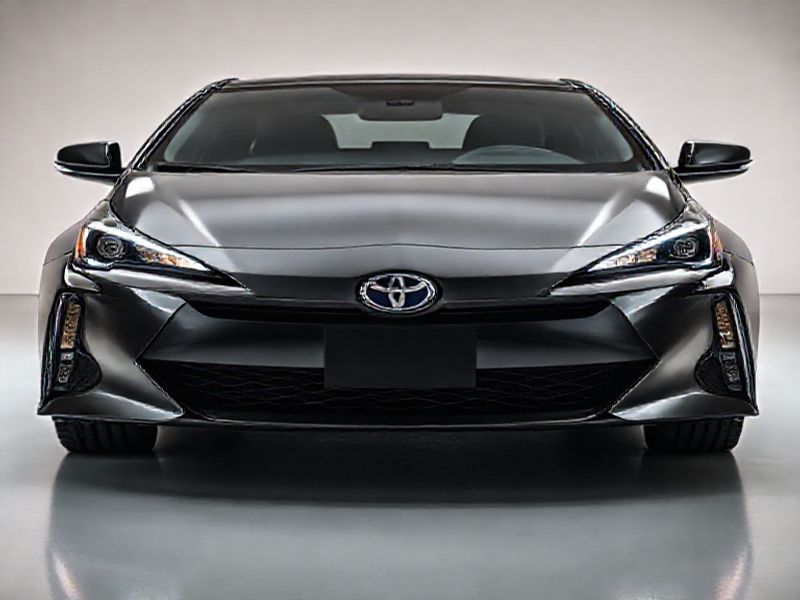
Carbon dioxide (CO2): Fuel consumption directly correlates with CO2 emissions—every gallon of gasoline burned produces approximately 20 pounds of CO2. The 2025 Toyota Prius achieving 57 MPG produces roughly 45% less CO2 per mile than a comparable conventional vehicle achieving 32 MPG.
Carbon monoxide (CO): Modern emission controls reduce CO significantly, but hybrids that can operate on electric power at low speeds eliminate CO emissions entirely during electric operation. Urban driving where CO impacts are highest sees the greatest benefit.
Nitrogen oxides (NOx): These pollutants contribute to smog and respiratory problems. Hybrid systems reduce NOx both by burning less fuel and by enabling electric operation in congested urban areas where NOx accumulation is most problematic.
Particulate matter: While gasoline vehicles produce less particulate matter than diesels, any reduction benefits air quality. Electric operation eliminates combustion-related particulates entirely during those periods.
Plug-In Hybrids and Zero-Emission Driving
Plug-in hybrids offer the potential for entirely emissions-free daily driving:
The 2025 Toyota RAV4 Prime with 42 miles of electric range can cover the average American commute without burning any gasoline. When charged using renewable electricity, these miles produce zero direct emissions and minimal upstream emissions.
The 2025 Toyota Prius Prime with 44 miles of electric range enables many owners to drive weeks between gas station visits, dramatically reducing their transportation-related carbon footprint.
Even when charged from a grid with mixed energy sources, plug-in hybrids produce lower emissions than gasoline operation. The U.S. electricity grid has become significantly cleaner over the past decade, and EV emissions continue decreasing as renewable energy grows.
Well-to-Wheel Analysis
Comprehensive environmental analysis considers all emissions from fuel production through vehicle operation:
Gasoline production: Extracting, refining, and transporting gasoline produces emissions before fuel reaches your tank. These “upstream” emissions add approximately 20-25% to tailpipe CO2 for gasoline vehicles.
Electricity generation: The environmental impact of plug-in hybrid charging depends on local electricity sources. Areas with high renewable penetration (California, Pacific Northwest) offer much cleaner charging than coal-heavy regions. Average U.S. grid electricity produces lower lifetime emissions than gasoline in most scenarios.
Complete picture: When including both upstream and tailpipe emissions, vehicles like the 2025 Toyota Camry Hybrid produce approximately 50% less total lifecycle emissions than comparable gasoline-only vehicles.
Manufacturing Environmental Impact
Battery production’s environmental impact is a legitimate consideration:
Battery production emissions: Manufacturing lithium-ion batteries requires significant energy and produces emissions. Studies estimate hybrid battery production adds 1-3 tons of CO2 equivalent to vehicle manufacturing footprint.
Payback period: The additional manufacturing emissions are typically recovered within the first 1-3 years of hybrid ownership through reduced operational emissions. Over a 10-year lifespan, the 2025 Honda CR-V Hybrid produces significantly less total lifecycle emissions than a conventional CR-V despite higher manufacturing footprint.
Battery longevity: Hybrid batteries lasting 200,000+ miles distribute manufacturing impacts over more driven miles. Toyota’s 10-year/150,000-mile battery warranty reflects expectations of durability that maximizes environmental payback.
Battery Materials and Mining Concerns
Raw material extraction for batteries raises valid environmental questions:
Lithium extraction: Most lithium comes from brine evaporation in South America or hard rock mining in Australia. Water usage in brine extraction has raised concerns in arid regions, though lithium mining’s total environmental footprint remains smaller than fossil fuel extraction.
Cobalt sourcing: Cobalt mining, concentrated in the Democratic Republic of Congo, has raised human rights and environmental concerns. Manufacturers are actively reducing cobalt content and sourcing from verified ethical suppliers. Many current hybrids, including Toyota’s nickel-metal hydride batteries, use minimal or no cobalt.
Nickel and other materials: Nickel mining has environmental impacts, but established recycling streams exist. Manufacturers increasingly source materials from responsible suppliers with environmental certifications.
Battery Recycling and Second Life
End-of-life battery management is improving rapidly:
Second-life applications: Hybrid batteries that no longer meet automotive requirements often retain 70-80% capacity, suitable for stationary energy storage. Toyota, BMW, and others have partnered with energy storage companies to repurpose used batteries for grid stabilization and renewable energy storage.
Recycling technology: Companies like Redwood Materials (founded by a former Tesla executive) are developing economically viable recycling processes that recover valuable materials from spent batteries. These recovered materials can produce new batteries, creating circular material flows.
Manufacturer responsibility: Most manufacturers accept used hybrid batteries for recycling. The Toyota Prius battery recycling program has operated for over two decades, continuously improving recovery rates.
Urban Air Quality Benefits
Hybrid vehicles provide particular environmental benefits in urban areas:
Reduced idle emissions: Hybrids shut off their gasoline engines at stops, eliminating idle emissions entirely. In congested urban traffic, this can reduce total emissions by 30% or more compared to conventional vehicles.
Low-speed electric operation: Many hybrids can operate on electric power at low speeds typical of urban driving. The 2025 Toyota Venza moving through a parking lot produces zero direct emissions, improving local air quality.
Concentrated benefits: Hybrid emissions reductions occur precisely where they matter most—in densely populated urban areas where air quality impacts human health most directly. Rural highway driving benefits efficiency more than local air quality.
Comparison with Full EVs
Understanding how hybrids compare environmentally to battery electric vehicles:
Manufacturing emissions: Full EVs with larger battery packs have higher manufacturing emissions than hybrids. A vehicle like the 2025 Hyundai Tucson Hybrid with a small hybrid battery has lower manufacturing footprint than a comparable EV.
Operating emissions: In areas with clean electricity, EVs produce lower operating emissions than hybrids. In regions with coal-heavy grids, the difference narrows significantly, and hybrids may actually produce fewer emissions in some scenarios.
Practical considerations: For buyers without home charging access, hybrids provide meaningful environmental benefits without infrastructure requirements. The 2025 Kia Sportage Hybrid delivers environmental benefits for owners who can’t install home chargers.
Fuel Efficiency and Resource Conservation
Beyond emissions, hybrids conserve limited resources:
Petroleum conservation: The 2025 Toyota Highlander Hybrid achieving 36 MPG versus a non-hybrid’s 24 MPG uses 33% less fuel annually. Over millions of hybrid vehicles, this represents significant petroleum conservation.
Reduced drilling impact: Lower fuel demand reduces pressure on oil exploration, protecting sensitive ecosystems from drilling and spill risks. Every gallon not consumed is one that doesn’t need to be extracted.
Transportation efficiency: Less fuel transported means fewer tanker trucks on roads, fewer refinery operations, and reduced infrastructure energy consumption throughout the petroleum supply chain.
Regenerative Braking: Energy That Isn’t Wasted
Regenerative braking represents a fundamental efficiency improvement:
Conventional vehicles convert kinetic energy to heat through friction brakes—energy that’s simply wasted. Hybrids like the 2025 Honda Accord Hybrid capture 40-70% of braking energy, converting it back to electricity for propulsion.
This recovery is particularly valuable in urban driving with frequent stops. The energy captured during braking powers the next acceleration, reducing the fuel needed from gasoline combustion.
The efficiency gain from regenerative braking explains why hybrids achieve better fuel economy in city driving than highway driving—the inverse of conventional vehicles. The 2025 Toyota Prius rates 57 city/56 highway precisely because city driving offers more regeneration opportunities.
Fleet-Level Impact
Individual vehicle choices aggregate into significant environmental impact:
Millions of hybrids on U.S. roads collectively reduce CO2 emissions by tens of millions of tons annually. This represents meaningful progress toward emissions reduction goals without requiring the infrastructure buildout that full electrification demands.
Corporate fleets increasingly choose hybrids like the Toyota Camry Hybrid and Toyota RAV4 Hybrid to meet sustainability commitments. These fleet decisions accelerate hybrid adoption and associated environmental benefits.
As hybrid technology spreads to larger vehicles like the Ford F-150 PowerBoost and Toyota Sequoia, efficiency gains in these traditionally inefficient segments provide disproportionate environmental benefit.
Making the Environmental Choice
For environmentally motivated buyers, consider these factors:
- Current vehicle: Replacing a gas guzzler with a hybrid provides greater environmental benefit than replacing an already-efficient vehicle
- Driving patterns: Urban driving with frequent stops maximizes hybrid environmental advantages
- Local electricity: If considering a PHEV, cleaner local grids increase plug-in benefits
- Vehicle longevity: Planning to keep the vehicle long-term maximizes the environmental payback on manufacturing emissions
- Right-sizing: A Toyota Prius has lower environmental impact than an Toyota Highlander Hybrid—choose the smallest vehicle that meets your needs
Conclusion: Hybrids Deliver Real Environmental Benefits
Hybrid vehicles provide meaningful environmental benefits through reduced emissions, improved efficiency, and conservation of petroleum resources. While not zero-emission vehicles, hybrids like the 2025 Toyota Camry Hybrid, 2025 Honda CR-V Hybrid, and 2025 Toyota RAV4 Hybrid deliver approximately 50% lifecycle emissions reductions compared to conventional vehicles—substantial progress that’s accessible to mainstream buyers today.
Plug-in hybrids extend these benefits further, enabling zero-emission daily driving while maintaining gasoline range for occasional long trips. For environmentally conscious consumers, hybrid technology offers a proven, practical path to reducing personal transportation emissions without the compromises that full electrification currently requires for some buyers.