Performance Hybrids: Sports Cars and SUVs That Combine Power with Efficiency
Hybrid vehicles increasingly appeal to performance-oriented drivers, offering instant electric torque, sophisticated power delivery, and engaging driving dynamics alongside their efficiency benefits. The combination of gasoline engines and electric motors can create driving experiences that exceed what either powertrain could deliver alone. This guide explores the performance characteristics of modern hybrids and identifies the most engaging options for enthusiast drivers.
The Performance Advantages of Hybrid Powertrains
Hybrid technology provides unique performance benefits that complement traditional engine characteristics:
Instant torque: Electric motors deliver maximum torque from zero RPM, providing immediate response when you press the accelerator. Unlike turbocharged engines that may exhibit lag, hybrid systems respond instantly, making acceleration feel more linear and immediate.
Torque fill: Electric motors can fill in torque gaps during engine power transitions, smoothing power delivery and enhancing acceleration feel. The 2025 Toyota Crown uses this approach to deliver seamless acceleration throughout its power band.
Low-end boost: Electric assist during initial acceleration provides the responsive feel of a larger engine without the fuel consumption penalty. The 2025 Toyota RAV4 Prime’s 302 combined horsepower accelerates to 60 mph in under 6 seconds—faster than any other RAV4 variant.
Weight distribution: Strategic battery placement can improve weight distribution for better handling. Many hybrids position battery packs low and centrally, lowering the center of gravity compared to their conventional counterparts.
Most Powerful Hybrid SUVs
Several hybrid SUVs deliver genuinely impressive performance:
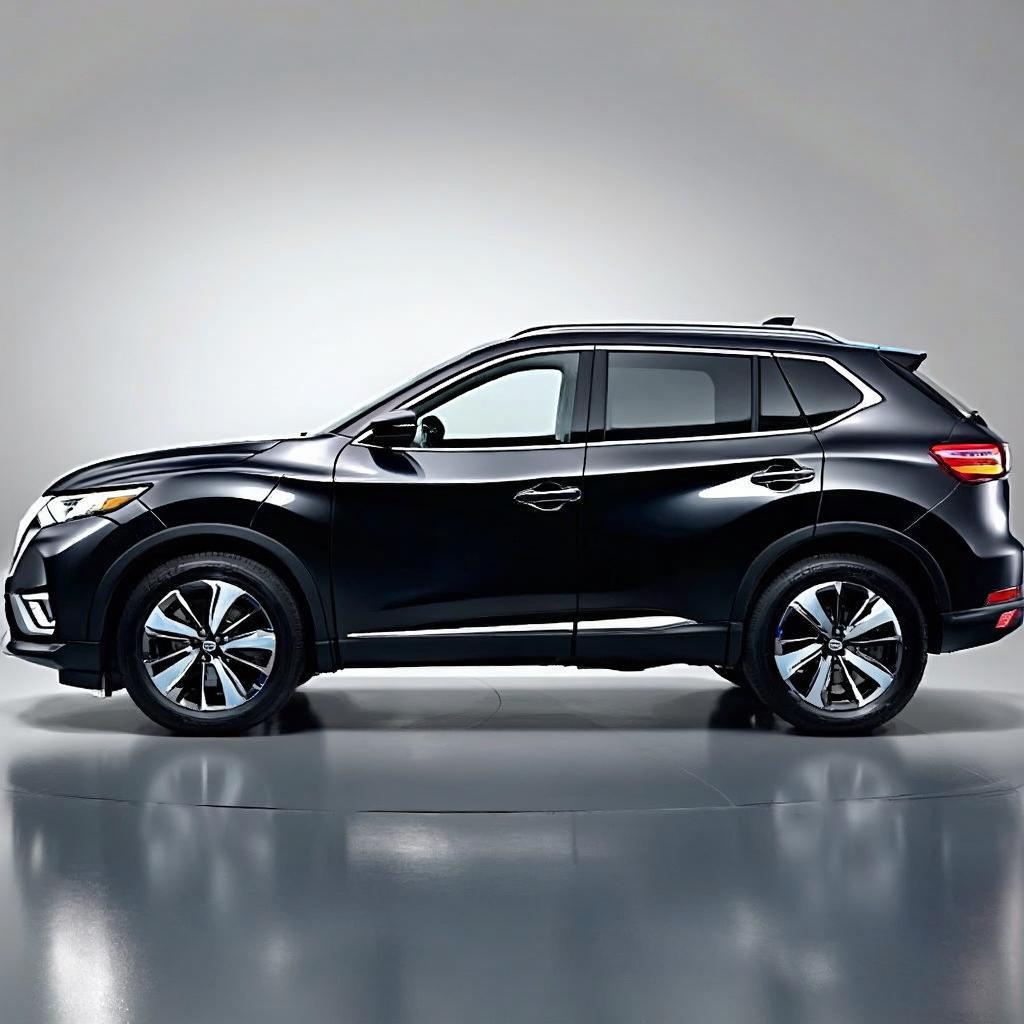
The 2025 Toyota RAV4 Prime leads the compact SUV segment with 302 combined horsepower from its 2.5-liter four-cylinder and dual electric motors. The sprint to 60 mph takes just 5.7 seconds—sports car territory for a practical family SUV. Combined with 42 miles of electric range and 38 MPG in hybrid mode, the RAV4 Prime represents an exceptional combination of performance and efficiency.
The 2025 BMW X5 xDrive50e combines a turbocharged inline-six with electric motors for 483 horsepower and 516 lb-ft of torque. Despite weighing over 5,600 pounds, it accelerates to 60 mph in 4.7 seconds. The M-tuned chassis delivers handling that belies its size, while 30+ miles of electric range enables silent cruising.
The 2025 Jeep Grand Cherokee 4xe proves that off-road capability and performance can coexist with hybrid efficiency. Its 375 horsepower and 470 lb-ft of torque provide strong acceleration, while the Quadra-Trac 4×4 system offers genuine trail capability that pure performance SUVs can’t match.
The 2025 Porsche Cayenne E-Hybrid delivers Porsche-level performance with 463 horsepower and a sub-5-second 0-60 time. The Cayenne Turbo S E-Hybrid pushes output beyond 670 horsepower for truly exotic performance with plug-in hybrid efficiency.
Performance-Oriented Hybrid Sedans
Hybrid sedans increasingly offer driving dynamics that appeal to enthusiasts:
The 2025 BMW 330e combines the 3 Series’ renowned handling with plug-in hybrid capability. Its 288 combined horsepower provides strong acceleration, while BMW’s chassis tuning ensures the additional battery weight doesn’t compromise the sporting character. XtraBoost mode temporarily adds power for aggressive driving.
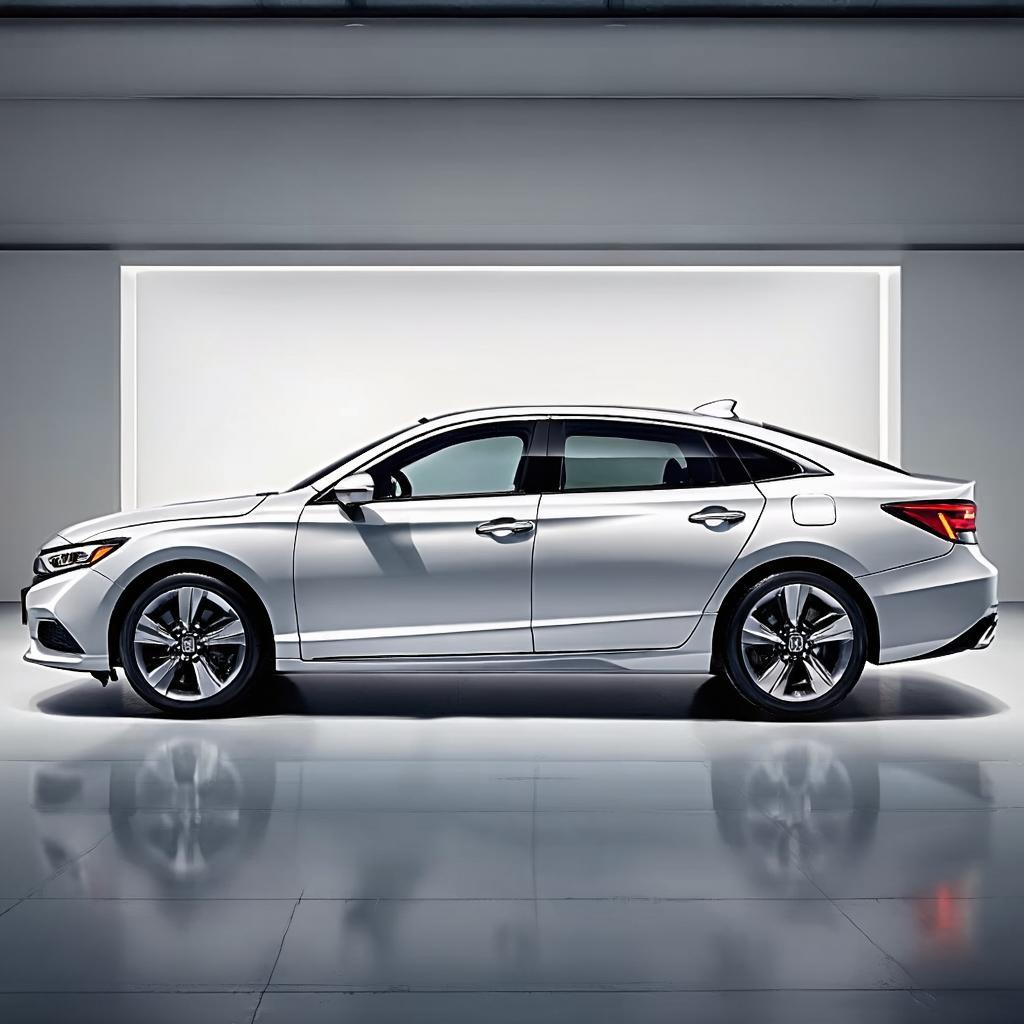
The 2025 Honda Accord Hybrid emphasizes driving engagement more than most mainstream hybrids. Its two-motor system delivers smooth, linear power delivery with 204 total system horsepower. The chassis offers more feedback and cornering capability than competitors prioritizing pure comfort.
The 2025 Toyota Crown introduces a Hybrid Max powertrain option with 340 horsepower, delivering 0-60 in under 6 seconds. Its all-wheel drive system can send up to 80% of power to the rear wheels, creating a rear-biased dynamic character unusual for a Toyota sedan.
The 2025 Lexus ES 300h emphasizes refined cruising over aggressive performance, but its smooth power delivery and quiet operation create a distinctive driving experience that many luxury buyers find more satisfying than overt sportiness.
The New Toyota Prius: Efficiency Meets Excitement
The 2025 Toyota Prius represents a dramatic shift from utilitarian efficiency-mobile to genuinely engaging driver’s car. The fifth-generation design dramatically lowers the roofline, creating a sleek coupe-like silhouette. Upgraded to 194 horsepower with available all-wheel drive, the new Prius accelerates to 60 mph in under 7 seconds while still achieving 57 MPG.
The handling transformation is equally significant. A lower center of gravity, stiffer chassis, and responsive steering create a driving experience that rewards enthusiastic inputs. The Prius has evolved from a car people bought despite its driving characteristics to one that people can genuinely enjoy driving—without sacrificing its efficiency mission.
The 2025 Toyota Prius Prime adds plug-in capability with 220 horsepower total system output, further enhancing performance while enabling electric-only commuting.
Hybrid Performance in Trucks
Hybrid technology is transforming truck performance as well as efficiency:
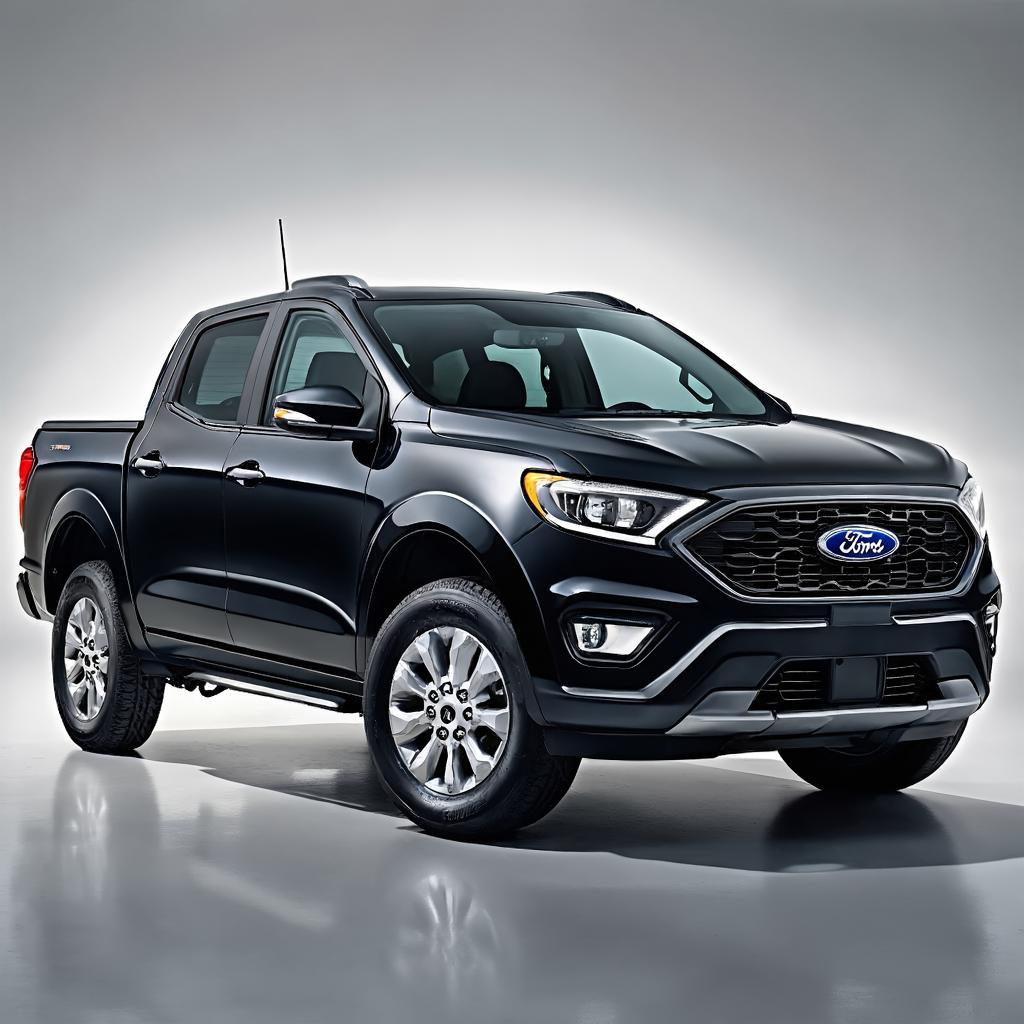
The 2025 Ford F-150 PowerBoost combines a 3.5-liter twin-turbocharged V6 with electric motors for 430 horsepower and 570 lb-ft of torque—the most torque of any F-150 powertrain. This output enables strong towing performance (12,700-pound maximum) while achieving 24 MPG combined. The Pro Power Onboard feature provides up to 7.2 kW of exportable power, useful for job sites or camping.
The 2025 Toyota Tundra i-FORCE MAX uses a similar approach, pairing a twin-turbocharged V6 with electric motor for 437 horsepower and 583 lb-ft of torque. The hybrid system delivers maximum torque at low RPM, improving towing feel and general responsiveness compared to the non-hybrid V6.
The 2025 Ford Maverick Hybrid takes a different approach, prioritizing efficiency in a compact truck. Its 191 combined horsepower won’t set performance records, but the smooth CVT and electric motor assist create a pleasant driving experience, and 42 city MPG represents remarkable efficiency for any truck.
Performance Driving Modes
Modern hybrids offer selectable driving modes that transform vehicle character:
Sport mode: Increases throttle response, holds gears longer (in transmission-equipped hybrids), and may adjust steering weight and suspension damping. The BMW X5 xDrive50e transforms from luxury cruiser to sporting SUV when Sport mode is selected.
Individual/custom modes: Many vehicles allow customizing powertrain, steering, and suspension settings independently. Create a configuration that combines aggressive powertrain response with comfortable suspension for spirited daily driving.
EV mode: Electric-only operation provides silent, instant-response driving suitable for parking lots or neighborhoods. Most PHEVs like the Volvo XC60 Recharge can maintain EV mode at significant speeds and during moderate acceleration.
Power/Sport+: Premium vehicles often offer additional modes that maximize performance. The Porsche Cayenne E-Hybrid Sport Chrono package includes Sport Response mode for maximum short-term acceleration.
Regenerative Braking and Driver Engagement
Adjustable regenerative braking affects driving feel and can enhance engagement:
Higher regeneration levels create more aggressive deceleration when lifting off the throttle, enabling one-pedal driving that some enthusiasts find satisfying. The Kia Niro uses paddle shifters to adjust regeneration levels on the fly, putting control in the driver’s hands.
Lower regeneration levels create driving feel more similar to conventional vehicles, with coasting behavior that traditionalists prefer. Finding your preferred setting is part of learning your hybrid’s character.
Some drivers use high regeneration strategically—maximizing it during enthusiastic driving for engine braking effect, then reducing it for relaxed cruising.
Track-Capable Hybrids
Several hybrid vehicles can genuinely perform on track days:
The BMW 330e inherits the 3 Series’ track-proven chassis dynamics. While the added battery weight affects lap times compared to the M340i, the 330e can still deliver an engaging track experience—particularly on technical circuits where instant torque helps corner exit.
The Porsche Cayenne E-Hybrid variants benefit from Porsche’s track-focused chassis development. The Cayenne Turbo S E-Hybrid has run competitive Nürburgring times despite its hybrid systems and substantial weight.
For track use, consider thermal management—extended high-performance driving can heat hybrid batteries, potentially limiting power. Track-focused sessions may benefit from starting with a partially depleted battery to reduce heat buildup.
Future Performance Hybrids
The hybrid performance segment continues evolving rapidly:
Ferrari, McLaren, and Lamborghini have embraced hybrid technology for their flagship models, demonstrating that ultimate performance and hybrid efficiency can coexist. This technology will filter down to more accessible performance vehicles.
Toyota has indicated plans for GR-badged hybrid performance variants, potentially bringing hybrid technology to enthusiast vehicles beyond the Prius family. The Toyota Crown Hybrid Max hints at this direction.
Electric motor technology improvements continue increasing power density, enabling more powerful motors in lighter packages. Future hybrids will likely offer even better power-to-weight ratios while maintaining efficiency.
Choosing a Performance-Oriented Hybrid
Consider these factors when selecting a hybrid for driving enjoyment:
- Power output: Total system horsepower matters, but so does power delivery character. Test drive to evaluate whether the power curve suits your preferences.
- Weight: Battery packs add weight that affects handling. Some manufacturers compensate effectively with chassis tuning; others less so.
- Transmission: CVTs, multi-mode hybrids, and dual-clutch systems all feel different. Traditional automatic transmissions in some hybrids may appeal to those preferring conventional shifting.
- Steering feel: Electric power steering calibration varies significantly. Some hybrids offer excellent feedback; others prioritize light effort.
- Sound: Hybrid engine notes range from refined to synthetic-enhanced. Consider whether the acoustic experience matters to you.
Conclusion: Hybrids Deliver Genuine Driving Excitement
Modern hybrid vehicles prove that efficiency and driving enjoyment are no longer mutually exclusive. From the transformed Toyota Prius to the powerful BMW X5 xDrive50e and athletic Toyota RAV4 Prime, hybrid technology delivers unique performance characteristics that can enhance the driving experience while reducing fuel consumption and emissions.
Performance-minded buyers should approach hybrid shopping with open minds, test driving candidates to experience how electric assist and regenerative braking feel in practice. The result may be finding a vehicle that’s more engaging than expected while still delivering the environmental and economic benefits that make hybrids compelling choices for thoughtful drivers.