Future of Hybrid Technology 2025-2030: What to Expect
As the automotive industry evolves toward electrification, hybrid technology continues to advance and adapt. While some predicted hybrids would fade as electric vehicles dominated, the reality proves more nuanced. Hybrid technology is evolving, improving, and finding new applications that ensure its relevance through 2030 and beyond.
Current State of Hybrid Technology
Hybrid sales continue growing globally as consumers seek efficiency without range anxiety. Vehicles like the Toyota RAV4 Hybrid, Honda Accord Hybrid, and Toyota Camry Hybrid consistently rank among the best-selling vehicles in their segments.
Current hybrid technology achievements include:
- 50+ MPG in compact and mid-size vehicles
- 40+ miles electric range in plug-in hybrids
- Performance hybrids rivaling pure sports cars
- Hybrid trucks with substantial towing capacity
Emerging Trends 2025-2030
Larger Batteries in PHEVs
Plug-in hybrid battery sizes continue increasing. Early PHEVs offered 10-15 mile electric range; current models like the Toyota RAV4 Prime deliver 42 miles. Future PHEVs may offer 60-80 miles electric range, covering nearly all daily driving without gasoline.
Larger batteries enable practical electric-only commuting while maintaining gasoline backup for long trips—the best of both worlds.
More Efficient Hybrid Systems
Automakers continue refining hybrid efficiency:
- Improved power electronics: More efficient inverters and converters
- Advanced battery chemistry: Higher energy density with lower weight
- Optimized engine maps: Engines designed specifically for hybrid operation
- Predictive energy management: AI systems that anticipate driving conditions
Next-generation hybrids may achieve 60+ MPG in family-size vehicles—efficiency previously impossible.
Performance Hybrid Applications
High-performance hybrids demonstrate electrification enhances rather than limits performance. The Porsche Cayenne E-Hybrid and similar vehicles prove electric motors complement traditional engines beautifully.
Expect more performance hybrids including:
- Sports cars with electric torque fill
- Luxury sedans with silent electric departures
- Performance SUVs with instant acceleration
Hybrid Trucks Expansion
Hybrid technology expands into truck segments where electric vehicles face range and towing challenges. The Ford F-150 PowerBoost pioneered this trend, proving hybrid trucks can match or exceed conventional truck capabilities while improving efficiency.
More hybrid trucks from various manufacturers will follow as customers appreciate the technology.
Infrastructure Advantages
Hybrids require no charging infrastructure—a significant advantage in regions where charging networks remain limited:
- Rural areas with sparse charging options
- Rental fleets serving diverse customers
- Developing markets without charging networks
- Multi-family housing without home charging
This flexibility ensures hybrid relevance as charging infrastructure develops unevenly.
Regulatory Landscape
Government regulations increasingly push toward electrification while still accommodating hybrids:
- CAFE standards reward hybrid efficiency
- EU emissions regulations accept hybrids with sufficient electric range
- Some regions incentivize PHEVs alongside EVs
- Low-emission zones often permit plug-in hybrids
Hybrids meet regulatory requirements while providing consumer-friendly flexibility.
Consumer Preferences
Many consumers prefer hybrids over pure electric vehicles for practical reasons:
- No range anxiety: Gasoline backup eliminates charging concerns
- No charging required: Traditional hybrids need no behavioral changes
- Lower purchase price: Hybrids often cost less than equivalent EVs
- Familiar experience: Driving and refueling remain traditional
These preferences ensure continued hybrid demand through 2030 and likely beyond.
Manufacturer Commitments
Major automakers continue investing in hybrid technology:
Toyota: Committed to hybrid technology as core strategy, expanding hybrid options across lineup
Honda: Increasing hybrid availability while developing next-generation systems
Hyundai/Kia: Offering hybrid, plug-in hybrid, and electric options across segments
European brands: Plug-in hybrids bridge the gap toward full electrification
Challenges Ahead
Hybrid technology faces some headwinds:
- Declining tax credits: Some regions reducing PHEV incentives
- EV cost reductions: Electric vehicles becoming more price-competitive
- Charging expansion: Improved infrastructure reduces EV range anxiety
- Regulatory pressure: Some markets phasing out combustion engines entirely
Despite these challenges, hybrid technology continues adapting and finding new applications.
Predictions for 2030
By 2030, expect:
- PHEVs with 70+ mile electric range standard
- Traditional hybrids exceeding 60 MPG
- Hybrid trucks becoming mainstream
- Performance hybrids rivaling supercars
- Continued global hybrid demand in infrastructure-challenged regions
The Bottom Line
Hybrid technology remains vibrant and evolving despite electric vehicle headlines. For buyers not ready to commit fully to electric vehicles, hybrids provide excellent efficiency, proven reliability, and practical flexibility. The technology will continue improving and finding new applications through 2030 and likely well beyond.
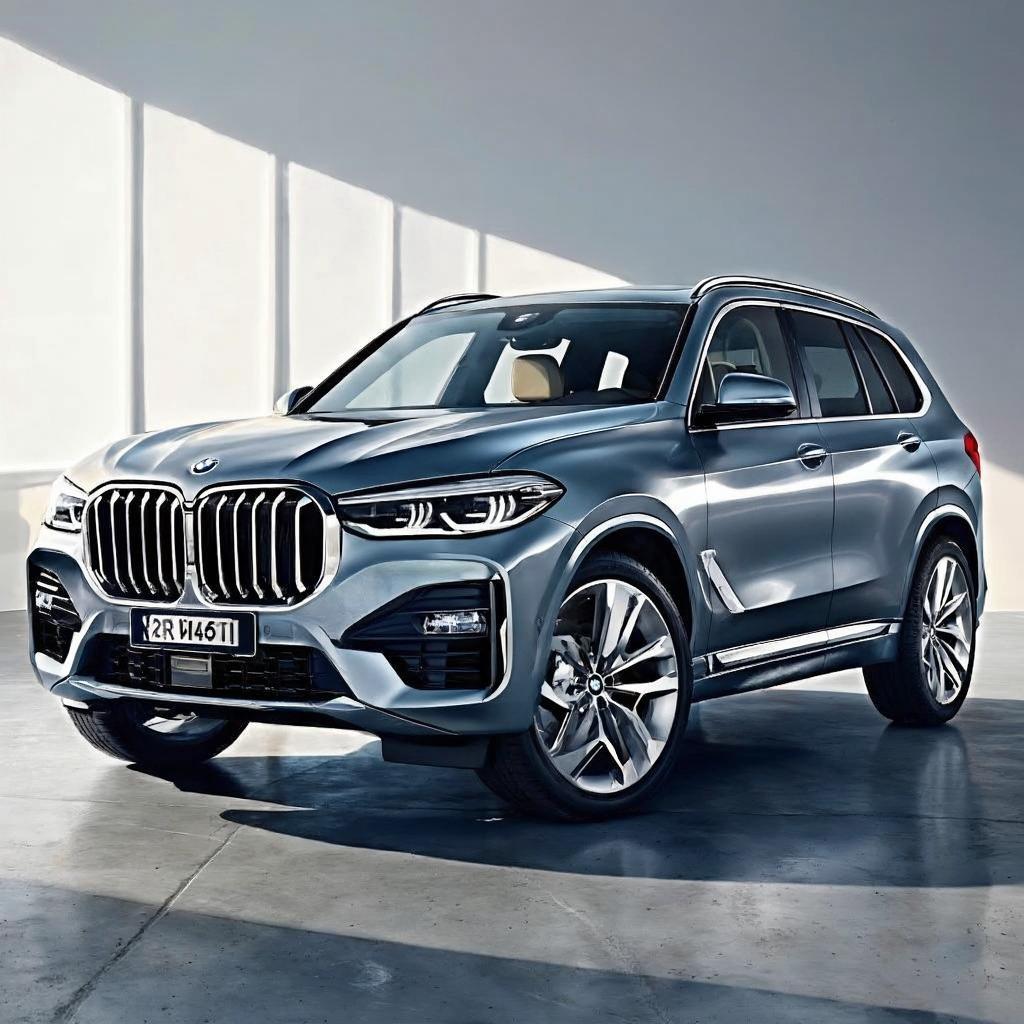
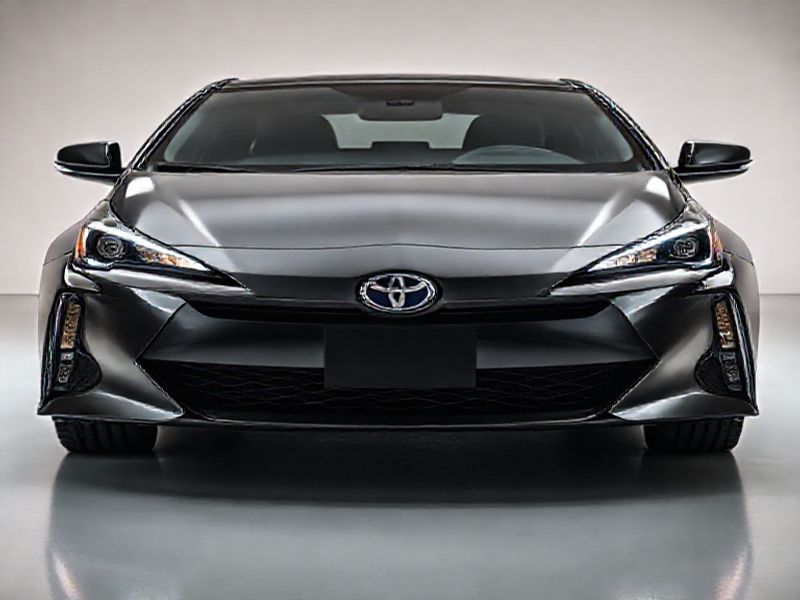
Whether choosing a traditional hybrid like the Toyota Sienna or a plug-in hybrid like the BMW X5 xDrive45e, buyers can be confident hybrid technology has a bright future ahead.