Hybrid Vehicle Cargo and Utility: Complete Space Comparison Guide
One common concern among hybrid shoppers is whether battery packs compromise cargo space and utility. Early hybrid designs sometimes sacrificed trunk room for battery placement, but modern engineering has largely solved this challenge. Today’s hybrids offer practical cargo solutions competitive with their conventional counterparts. This comprehensive guide explores cargo capacity across hybrid vehicle categories, helping buyers understand what to expect and which models best serve their utility needs.
Understanding Battery Placement and Cargo Impact
Hybrid vehicle battery pack placement fundamentally affects available cargo space. Engineers face a critical decision: where to position the battery pack without compromising the vehicle’s functionality, handling, or passenger space. Different manufacturers have adopted various solutions, each with advantages and trade-offs.
Under-Floor Battery Mounting
Many modern hybrids position battery packs beneath the cabin floor or under rear seats. This approach preserves cargo area entirely while maintaining a low center of gravity for improved handling. The 2025 Toyota RAV4 Hybrid employs this strategy, offering identical cargo capacity to the conventional RAV4. Buyers gain hybrid benefits without sacrificing any utility.
Under-floor mounting does occasionally raise the rear floor height slightly, affecting step-in height or overall vehicle height. However, these changes are typically minor and go unnoticed by most drivers.
Behind-Seat Battery Placement
Some designs position batteries behind rear seats or beneath cargo floors. This approach can reduce cargo volume compared to non-hybrid versions of the same vehicle. The impact varies significantly between models—some lose only minimal space while others sacrifice more substantially.
Plug-in hybrids with larger batteries often face greater cargo challenges than traditional hybrids. The additional battery capacity required for extended electric range needs physical space, and engineers must balance electric range against practicality.
Hybrid Sedans: Trunk Capacity Analysis
Toyota Camry Hybrid
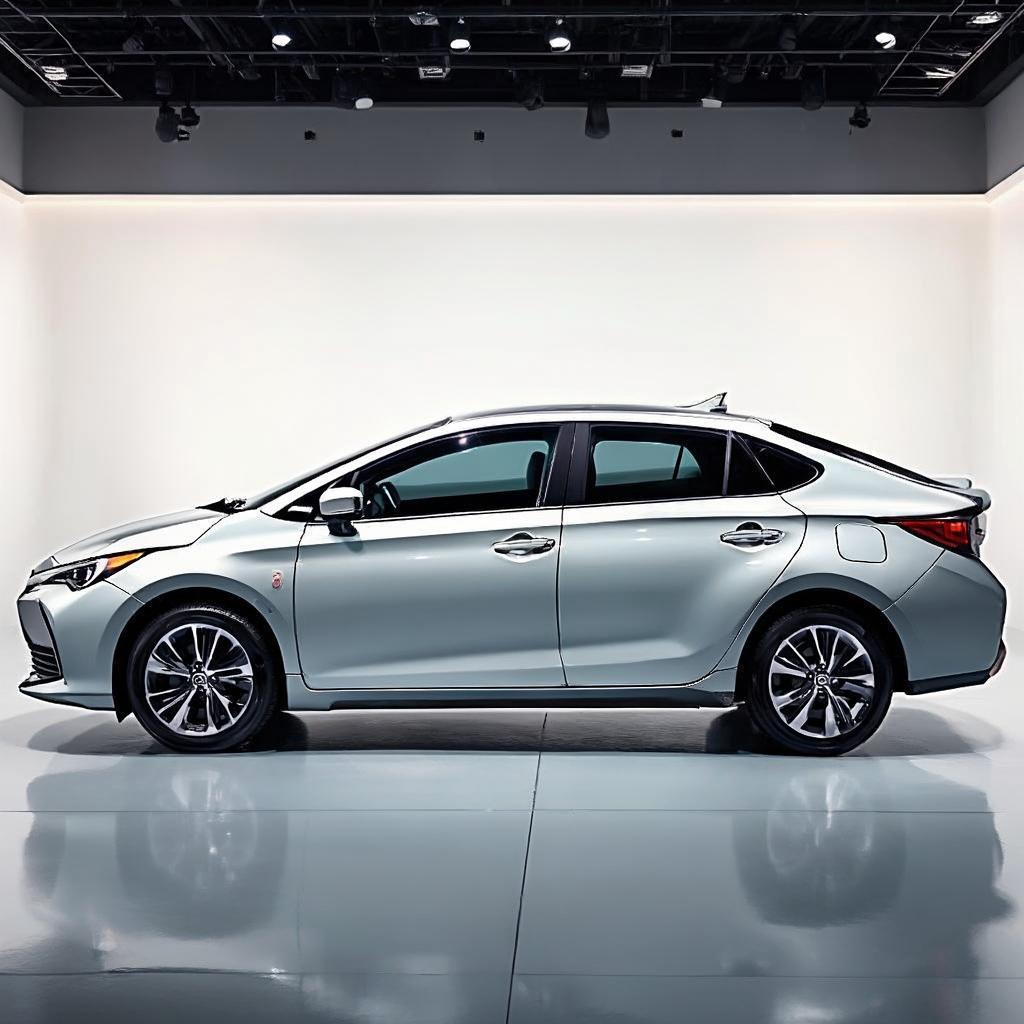
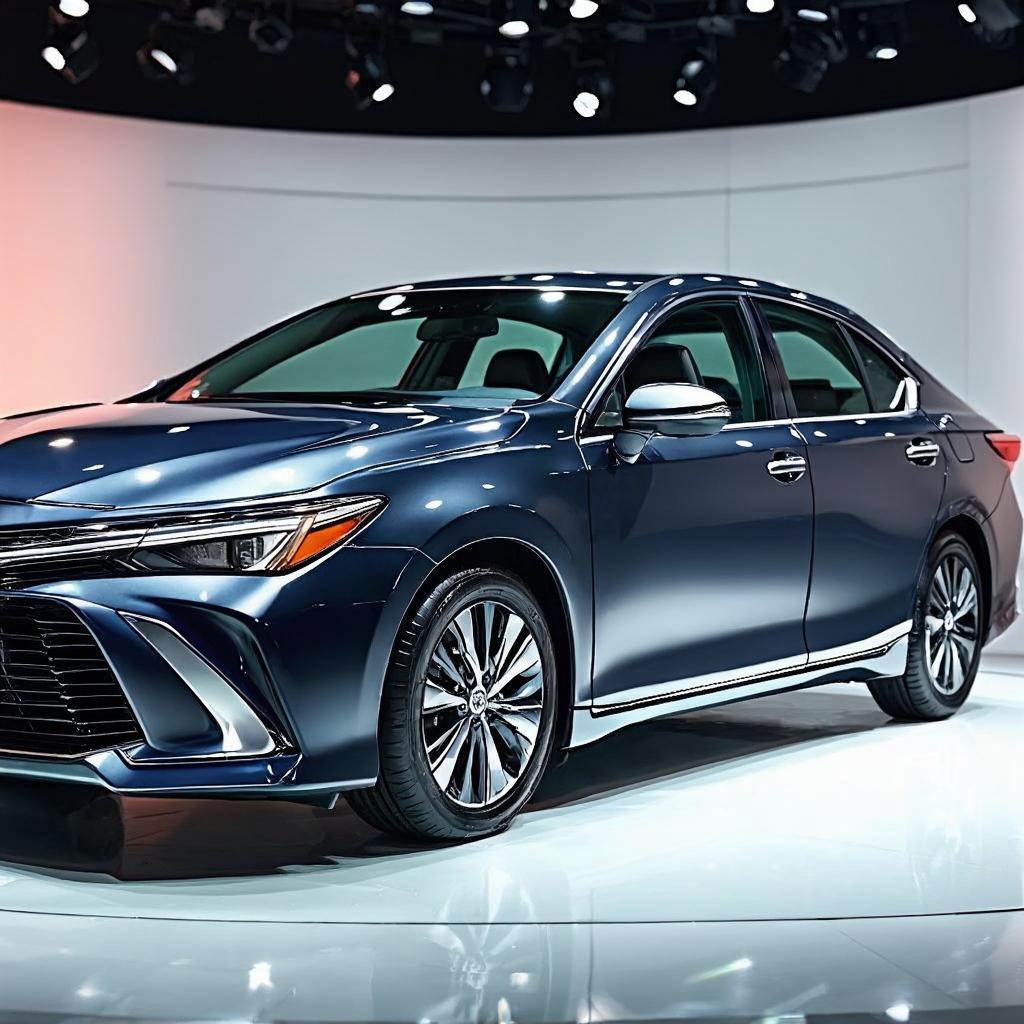
The 2025 Toyota Camry Hybrid exemplifies excellent trunk retention through smart battery placement. Its 15.1 cubic feet of trunk space matches the conventional Camry exactly, demonstrating that hybrid sedans can offer full utility. This generous trunk accommodates golf bags, luggage for weekend trips, or multiple grocery runs without compromise.
Honda Accord Hybrid
The 2025 Honda Accord Hybrid provides 16.7 cubic feet of trunk space—actually exceeding many competitors. Honda’s intelligent packaging maximizes available room while integrating the hybrid battery seamlessly. The wide trunk opening and low liftover height make loading practical for heavy or bulky items.
Hyundai Sonata Hybrid
The 2025 Hyundai Sonata Hybrid offers 16 cubic feet of trunk space, making it one of the most practical midsize hybrid sedans available. The trunk opening accommodates large suitcases easily, and the shape optimizes usable space rather than just volume figures.
Lexus ES 300h
The 2025 Lexus ES 300h provides 13.9 cubic feet of trunk space—slightly less than some competitors but still practical for a luxury sedan. The quality trunk liner and low-friction surfaces make loading and unloading easy, while tie-down hooks help secure cargo during transit.
Compact Hybrid SUVs: Versatile Cargo Champions
Toyota RAV4 Hybrid
The 2025 Toyota RAV4 Hybrid delivers 37.5 cubic feet behind the rear seats, expanding to 69.8 cubic feet with seats folded—identical to the non-hybrid RAV4. This practical crossover handles everything from home improvement store runs to camping gear. The low cargo floor and wide liftgate opening make loading bulky items straightforward.
Honda CR-V Hybrid
The 2025 Honda CR-V Hybrid provides approximately 36.3 cubic feet behind rear seats, expanding to 76.5 cubic feet with seats folded. This exceptional maximum capacity makes the CR-V Hybrid one of the most practical compact SUVs regardless of powertrain. The flat load floor and low liftover height enhance usability.
Hyundai Tucson Hybrid
The 2025 Hyundai Tucson Hybrid offers approximately 38.7 cubic feet behind rear seats, expanding to 74.8 cubic feet maximum. This generous cargo capacity accommodates active lifestyles while the hybrid powertrain reduces fuel costs. Underfloor storage compartments provide additional organization options.
Kia Sportage Hybrid
The 2025 Kia Sportage Hybrid provides similar cargo capacity to its Tucson sibling, with approximately 39.6 cubic feet behind rear seats. The wide cargo opening and practical shape maximize usable space. Available cargo management systems help organize smaller items effectively.
Midsize and Three-Row Hybrid SUVs
Toyota Highlander Hybrid
The 2025 Toyota Highlander Hybrid offers 16 cubic feet behind the third row, 48.4 cubic feet with the third row folded, and 84.3 cubic feet with all rear seats folded. This versatility accommodates seven passengers and their belongings or converts to a cargo-hauling workhorse when needed.
Hyundai Santa Fe Hybrid
The 2025 Hyundai Santa Fe Hybrid provides generous cargo room with approximately 36.4 cubic feet behind rear seats, expanding to 72.1 cubic feet maximum. The practical dimensions and wide cargo opening serve active families well.
Kia Sorento Hybrid
The 2025 Kia Sorento Hybrid offers three-row seating with practical cargo solutions. Behind the third row, approximately 12.6 cubic feet handles everyday items, while folding the third row expands capacity to 45 cubic feet—competitive for the three-row hybrid segment.
Toyota Grand Highlander Hybrid
For maximum space requirements, the Toyota Grand Highlander Hybrid expands the Highlander formula with additional length. Approximately 97.5 cubic feet of maximum cargo volume places it among the most capacious hybrid SUVs available, while maintaining the fuel efficiency advantages that define the hybrid experience.
Hybrid Trucks: Capability Preserved
Ford F-150 PowerBoost
The 2025 Ford F-150 PowerBoost demonstrates that hybrid technology can enhance truck capability rather than compromise it. The hybrid battery mounts beneath the floor, preserving full bed utility. Available bed lengths include 5.5-foot, 6.5-foot, and 8-foot options, identical to conventional F-150 models.
The PowerBoost’s unique advantage lies in its Pro Power Onboard generator feature, providing up to 7.2 kW of exportable power. This transforms the truck bed into a mobile worksite power source—charging tools, running equipment, or even powering a tailgate party. No conventional truck matches this capability.
Ford Maverick Hybrid
The 2025 Ford Maverick Hybrid brings hybrid efficiency to compact truck practicality. Its 4.5-foot bed accommodates typical truck tasks including hauling sheets of plywood flat with the tailgate down. The FLEXBED system provides customizable storage options through integrated slots and tie-downs.
With approximately 33 cubic feet of bed volume, the Maverick Hybrid handles home improvement projects, outdoor gear, and lifestyle equipment effectively. Combined with its exceptional fuel economy approaching 40 mpg city, this hybrid truck delivers unmatched daily-driver practicality.
Toyota Tundra i-Force Max
The 2025 Toyota Tundra i-Force Max brings hybrid technology to full-size truck capability. Full bed utility remains intact, with 5.5-foot, 6.5-foot, and 8.1-foot bed options. The hybrid system enhances low-end torque for towing and hauling rather than compromising capability.
Hybrid Minivans: Family Cargo Champions
Toyota Sienna
The 2025 Toyota Sienna, available only as a hybrid, offers exceptional cargo versatility. Behind the third row, approximately 33.5 cubic feet accommodates strollers and groceries. Folding the third row expands capacity significantly, while removing the second-row seats (on some configurations) creates van-like cargo hauling capability.
The Sienna’s hybrid system doesn’t compromise its family-friendly functionality. Second-row captains chairs or bench seating remain available, and the low floor height eases child entry. The power sliding doors and power liftgate operate normally, making family loading routines effortless.
Maximizing Hybrid Cargo Utility
Roof Rack Compatibility
All hybrid SUVs support standard roof rack systems, expanding cargo capability for outdoor enthusiasts. The RAV4 Hybrid, CR-V Hybrid, and similar crossovers accommodate roof boxes, kayak carriers, and bicycle racks. This expands practical cargo capacity well beyond interior measurements.
Trailer Towing
Many hybrid SUVs offer towing capability for trailers and cargo carriers. The Highlander Hybrid tows up to 3,500 pounds, while the F-150 PowerBoost can tow over 12,000 pounds. For families who need both daily efficiency and occasional hauling capability, hybrid trucks and SUVs deliver compelling combinations.
Cargo Organization Systems
Many hybrid vehicles include cargo organization features that maximize usable space. Underfloor storage compartments hide valuable items or store messy equipment. Fold-flat seatbacks create level load floors. Cargo nets, rails, and tie-downs secure items during transit. These features often compensate for any minor volume reductions through improved organization.
Choosing the Right Cargo Configuration
Selecting a hybrid with appropriate cargo capability requires honest assessment of actual needs. Most buyers use maximum cargo capacity rarely, making everyday utility more important than peak volume. The Camry Hybrid trunk handles typical sedan duties perfectly. The Sportage Hybrid serves active couples with gear. The Sienna manages complete family expeditions.
Today’s hybrid vehicles offer cargo utility competitive with conventional alternatives across virtually every category. Smart engineering has overcome early limitations, ensuring that choosing efficiency no longer requires sacrificing practicality. Whether hauling construction materials in an F-150 PowerBoost, loading camping gear into a Highlander Hybrid, or filling a CR-V Hybrid with groceries, modern hybrids handle real-world cargo demands while saving fuel with every mile.