The Evolution of Hybrid Technology: From First Prius to Today’s Advanced Systems
Hybrid technology has evolved dramatically over the past quarter-century, transforming from an experimental curiosity into mainstream automotive technology. Understanding this evolution helps buyers appreciate current hybrid capabilities and anticipate future developments. This comprehensive look at hybrid history examines the technological breakthroughs, market challenges, and innovations that have shaped today’s efficient vehicles.
Early Hybrid Concepts and Pioneering Vehicles
The concept of combining electric motors with internal combustion engines dates back over a century, but practical mass-market hybrids emerged only in the late 1990s. Ferdinand Porsche created an early hybrid vehicle in 1901, but technological limitations prevented widespread development for nearly a century.
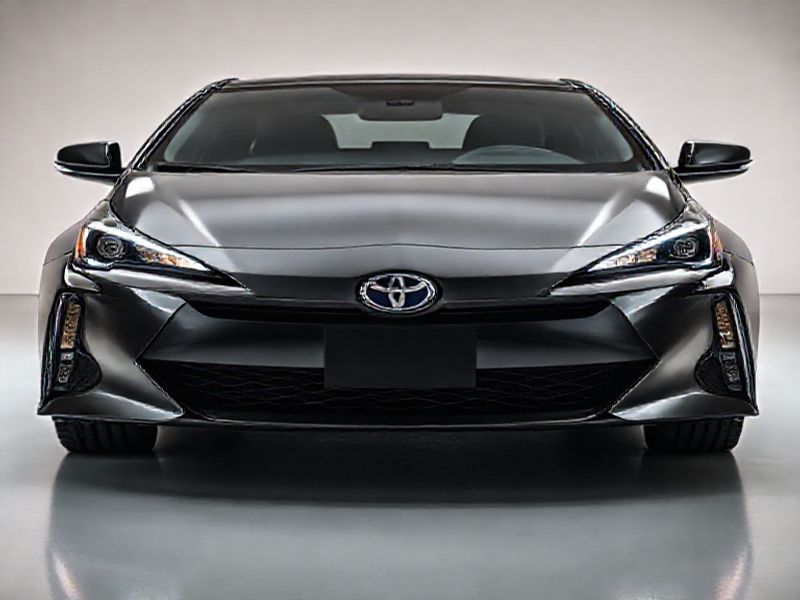
Toyota launched the first mass-produced hybrid, the Prius, in Japan in 1997. This groundbreaking vehicle combined a 1.5-liter gasoline engine with electric motors and a nickel-metal hydride battery pack. Early Prius models achieved approximately 42 MPG combined—remarkable for the era and still competitive with many conventional vehicles today.
Honda followed closely with the Insight in 1999, featuring an ultra-aerodynamic two-seat design achieving 61 MPG city. While less practical than the Prius, the Insight demonstrated the efficiency potential of hybrid technology and introduced American buyers to the concept.
The Second Generation: Mainstream Acceptance
The 2004 second-generation Prius marked hybrid technology’s transition from novelty to legitimate mainstream option. Its distinctive wedge shape became iconic, efficiency improved to 46/45 MPG city/highway, and the larger cabin addressed first-generation practicality concerns. Celebrity adoption and fuel price spikes drove waiting lists at dealerships.
This era saw hybrid technology spread beyond dedicated hybrid vehicles into conventional model lines. The Toyota Camry Hybrid debuted in 2006, proving that hybrid technology could enhance familiar vehicles without compromising practicality. The Camry Hybrid’s success established the template that modern hybrids like the 2025 Toyota Camry Hybrid continue to follow.
Ford, General Motors, and other manufacturers introduced hybrid variants of their popular models, though early American hybrid systems often emphasized performance augmentation over fuel economy. The Ford Escape Hybrid (2004) became the first hybrid SUV, creating a segment that has grown to include vehicles like the 2025 Ford Escape Hybrid and 2025 Toyota RAV4 Hybrid.
Luxury Hybrid Development
Lexus pioneered the luxury hybrid segment with the RX 400h in 2005, demonstrating that hybrid technology could deliver both efficiency and premium driving experiences. Unlike efficiency-focused economy hybrids, the RX 400h used its electric motors to enhance performance, providing V8-like acceleration with V6 fuel economy.
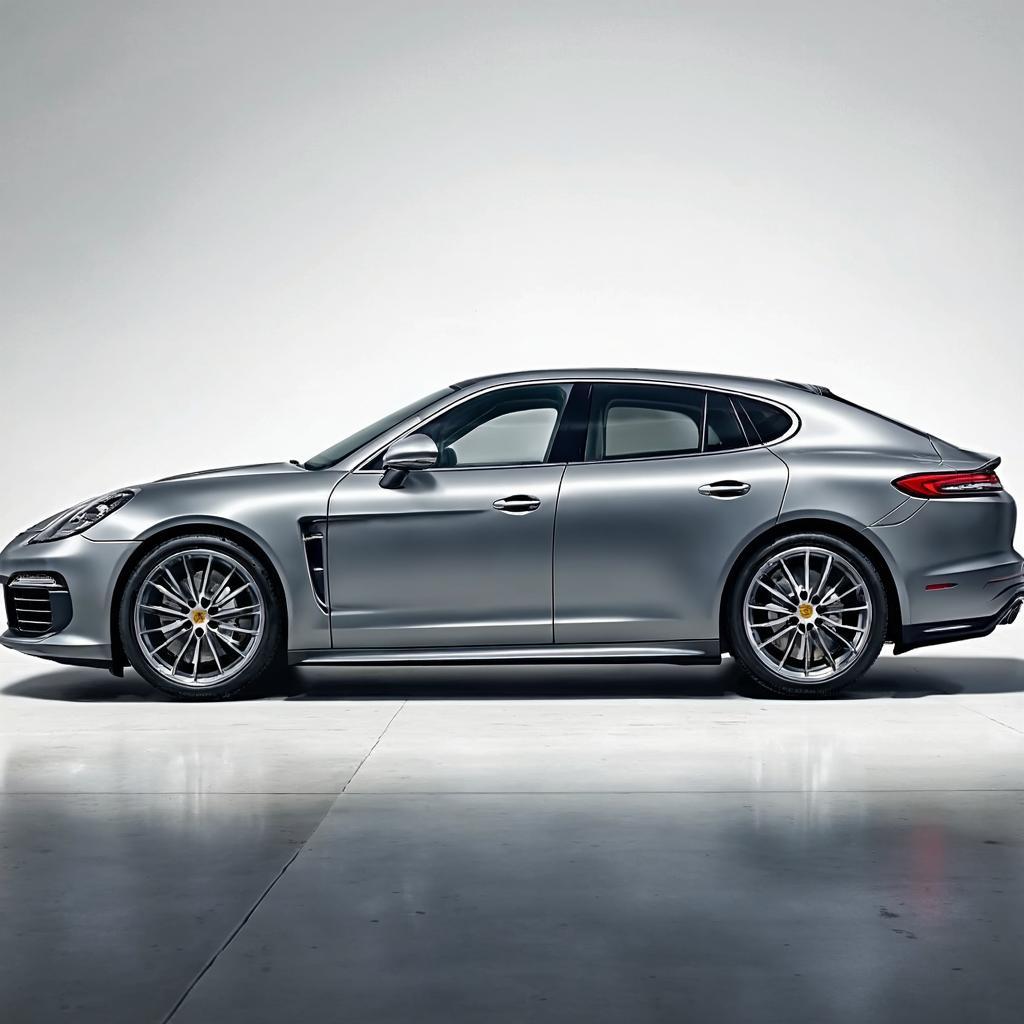
This performance-hybrid approach influenced vehicles from multiple manufacturers. BMW, Mercedes-Benz, and Porsche developed hybrid variants emphasizing driving dynamics alongside efficiency. Today’s 2025 Lexus RX 450h+ and 2025 BMW X5 xDrive50e represent the evolution of this luxury hybrid philosophy.
The Lexus LS 600h (2007) pushed luxury hybrid technology further, combining a V8 engine with powerful electric motors to create the brand’s flagship sedan. While fuel economy was secondary to performance and refinement, the LS 600h demonstrated hybrid technology’s versatility across market segments.
The Plug-In Hybrid Revolution
The Chevrolet Volt (2010) introduced mainstream plug-in hybrid technology, offering 35-40 miles of all-electric range before switching to gasoline hybrid operation. This “range-extended electric” approach allowed most daily driving to occur on electricity while eliminating range anxiety for longer trips.
Toyota responded with the Prius Prime, combining the Prius’s proven efficiency with plug-in capability. The concept has evolved into today’s 2025 Toyota Prius Prime with 44 miles of electric range and exceptional hybrid-mode efficiency.
Plug-in hybrids proliferated across the 2010s, with manufacturers recognizing the technology’s appeal to buyers seeking electrification without range concerns. The 2025 Toyota RAV4 Prime, 2025 Jeep Wrangler 4xe, and 2025 Volvo XC90 Recharge represent the current state of plug-in hybrid development.
Battery Technology Advancement
Hybrid battery technology has evolved dramatically since the first Prius:
Nickel-metal hydride (NiMH): Early hybrids used NiMH batteries offering good reliability and temperature tolerance. Toyota continued using refined NiMH technology in many hybrids through the 2010s, and these batteries have proven remarkably durable—many early Prius vehicles still operate on original batteries after 200,000+ miles.
Lithium-ion: Modern hybrids increasingly use lithium-ion batteries offering higher energy density, lighter weight, and faster charging capability. The 2025 Toyota Prius uses a compact lithium-ion pack enabling its dramatically improved performance and efficiency.
Solid-state batteries: The next generation of battery technology promises even greater energy density, faster charging, and improved safety. Toyota and other manufacturers are developing solid-state batteries for future hybrid and electric vehicles.
Electric Motor Evolution
Hybrid electric motors have grown more powerful and efficient while becoming smaller and lighter:
First-generation Prius motors produced 30 kilowatts; current hybrids like the 2025 Toyota Camry Hybrid incorporate motors exceeding 80 kilowatts. This power increase enables greater electric-only operation and more significant performance contributions.
Permanent magnet motors have largely replaced earlier designs, offering better efficiency and power density. Some manufacturers now use reduced-rare-earth or rare-earth-free motor designs to address material cost and supply concerns.
Integrated motor-generator units combine multiple functions in single packages, reducing weight and complexity. Toyota’s Hybrid Synergy Drive continuously refined this integration, improving efficiency with each generation.
The Rise of Performance Hybrids
Hybrid technology’s performance potential became evident through supercars like the Porsche 918 Spyder, Ferrari LaFerrari, and McLaren P1. These vehicles used electric motors for instantaneous torque and performance enhancement rather than pure efficiency.
This performance focus filtered down to more accessible vehicles. The 2025 Toyota RAV4 Prime produces 302 combined horsepower—more than any other RAV4 variant. The 2025 BMW 330e uses hybrid power to enhance the 3 Series’ renowned driving dynamics while improving efficiency.
Acura’s NSX and Porsche’s Cayenne E-Hybrid demonstrate that hybrid powertrains can deliver supercar-adjacent performance in more practical packages. The 2025 Porsche Cayenne E-Hybrid combines substantial electric range with performance worthy of the Porsche badge.
Hybrid Trucks and Full-Size SUVs
Hybridizing large vehicles presented unique challenges due to weight, towing requirements, and buyer expectations. Early attempts like the Chevrolet Tahoe Hybrid and GMC Yukon Hybrid achieved modest efficiency gains but limited market success.
The Ford F-150 PowerBoost Hybrid (2021) changed expectations for hybrid trucks, offering substantial fuel economy improvement without compromising capability. The 2025 Ford F-150 PowerBoost provides 24 combined MPG, Pro Power Onboard generator capability, and full F-150 towing capacity.
Toyota’s i-Force MAX system in the 2025 Toyota Sequoia and 2025 Toyota Tundra i-FORCE MAX demonstrates that full-size hybrid trucks can deliver improved efficiency while maintaining the capability these vehicles’ buyers demand.
Korean Manufacturers Enter the Market
Hyundai and Kia entered the hybrid market later than Japanese competitors but quickly established strong positions with competitive products:
The Hyundai Ioniq (2016) was designed from the ground up as an electrified vehicle, available in hybrid, plug-in hybrid, and pure electric variants. Its efficiency rivaled the Prius while offering a more conventional appearance that appealed to buyers resistant to the Prius’s distinctive styling.
Kia’s Niro pioneered the subcompact crossover hybrid segment, combining popular crossover utility with hybrid efficiency. The 2025 Kia Niro continues this success with updated technology and distinctive styling.
Korean manufacturers expanded hybrid availability across their lineups, with current offerings including the 2025 Hyundai Tucson Hybrid, 2025 Hyundai Santa Fe Hybrid, 2025 Kia Sportage Hybrid, and 2025 Kia Sorento Hybrid.
Transmission and Powertrain Innovation
Hybrid transmission technology has evolved along several paths:
Power-split devices: Toyota’s electronically controlled continuously variable transmission (eCVT) uses planetary gearsets to blend gasoline and electric power without traditional gear shifting. This approach, refined over generations, remains the foundation of most Toyota and Lexus hybrids.
Dual-clutch systems: Some manufacturers use dual-clutch transmissions with integrated electric motors, providing the efficiency of hybrid operation with the driving feel of traditional geared transmissions. The 2025 Hyundai Sonata Hybrid uses this approach.
Multi-mode systems: Advanced hybrids like the 2025 Toyota Prius incorporate multiple operating modes that optimize performance or efficiency based on driving conditions. These systems automatically select the most efficient powertrain configuration moment-to-moment.
All-Wheel Drive Hybrid Systems
Early hybrids were predominantly front-wheel drive, but all-wheel drive capability became increasingly important as crossovers and SUVs dominated sales:
Toyota’s electronic on-demand AWD uses a separate electric motor to power the rear wheels when needed, adding minimal weight and complexity. This system appears in the 2025 Toyota RAV4 Hybrid, 2025 Toyota Highlander Hybrid, and 2025 Toyota Venza.
Performance-focused systems like those in the 2025 BMW X5 xDrive50e use electric motors to enhance AWD capability and performance, distributing power intelligently for both efficiency and driving dynamics.
Current State and Future Directions
Today’s hybrid market offers remarkable diversity—from the efficiency-focused 2025 Toyota Prius achieving 57 MPG to the capability-oriented 2025 Jeep Grand Cherokee 4xe combining off-road prowess with electric driving.
Future developments include increased electric ranges for plug-in hybrids, more efficient battery chemistries, and broader availability across vehicle segments. Some manufacturers view hybrids as transitional technology toward full electrification, while others see continued hybrid development alongside pure EV offerings.
Regardless of electrification strategies, hybrid technology has proven its value over 25+ years of development. The lessons learned building hybrid vehicles continue informing electric vehicle development, and hybrid options remain compelling choices for buyers seeking efficiency without the infrastructure requirements of pure EVs.
Conclusion: A Quarter Century of Hybrid Innovation
From the original Prius to current offerings like the 2025 Lexus RX 450h+, 2025 Honda CR-V Hybrid, and 2025 Ford Maverick Hybrid, hybrid technology has transformed from experimental curiosity to automotive mainstream. Each generation has delivered improved efficiency, performance, and refinement while costs have decreased and availability has expanded. This evolution continues, ensuring that hybrid vehicles will remain relevant choices for efficiency-minded buyers well into the future.