Hybrid Myths Debunked: 12 Common Misconceptions About Hybrid Vehicles
Despite hybrid vehicles being mainstream for over two decades, persistent myths continue to influence buyer decisions and fuel online debates. Misinformation about battery life, performance, repair costs, and environmental impact prevents many consumers from considering vehicles that could perfectly suit their needs. This comprehensive myth-busting guide separates fact from fiction, providing accurate information to help you make an informed decision about hybrid ownership.
Myth #1: Hybrid Batteries Need Frequent Replacement and Cost Thousands
The Truth: Modern hybrid batteries are engineered for long-term durability and rarely require replacement during typical vehicle ownership periods. Most manufacturers design hybrid battery packs to last the life of the vehicle, and real-world data supports this claim. Toyota Prius taxis in several countries have documented 300,000+ miles on original batteries. Current hybrid batteries come with warranties ranging from 8 years/100,000 miles (standard) to 10 years/150,000 miles (in states with enhanced emissions requirements), reflecting manufacturer confidence in longevity.
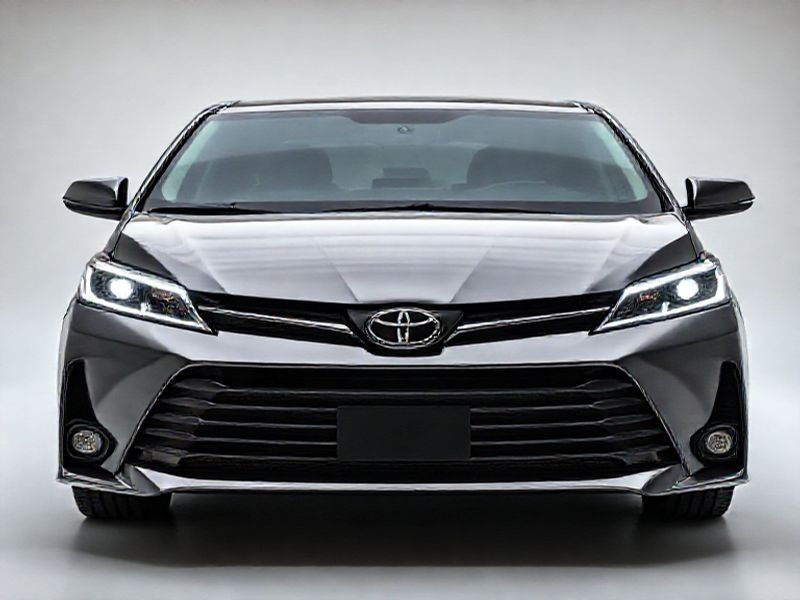
When batteries do eventually need replacement—typically after 150,000-200,000 miles in well-maintained vehicles—costs have decreased substantially. While early hybrid battery replacements could exceed $5,000, competition and improved technology have reduced costs. Remanufactured battery options further reduce expenses, often running $1,500-$2,500 installed. The 2025 Toyota Camry Hybrid and other modern hybrids use more advanced battery chemistry that promises even greater longevity than earlier generations.
Myth #2: Hybrids Are Slow and Boring to Drive
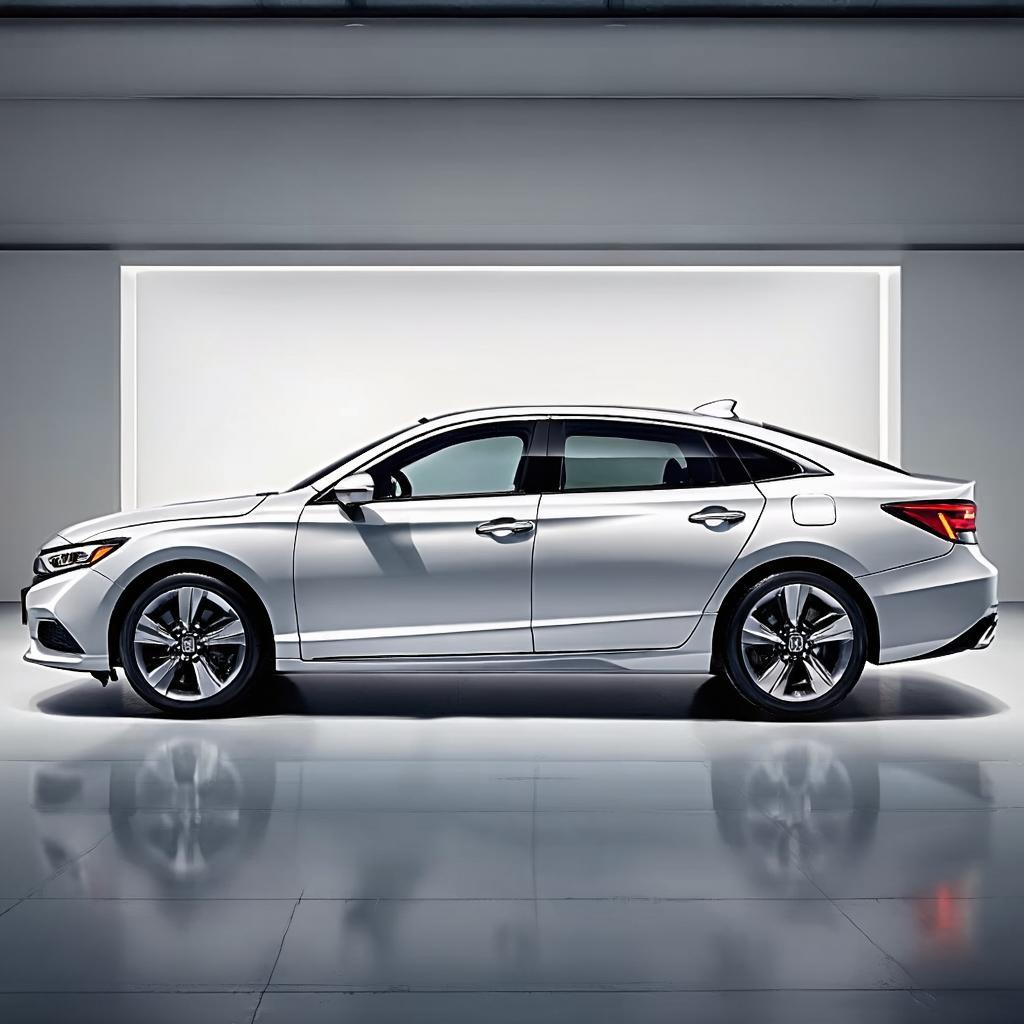
The Truth: Early hybrids prioritized efficiency over performance, creating a reputation that no longer reflects reality. Modern hybrids often outperform their conventional counterparts because electric motors provide instant torque from a standstill. The 2025 Honda Accord Hybrid accelerates from 0-60 mph in approximately 6.5 seconds—quicker than many sports sedans from just a decade ago.
Performance-oriented hybrids demolish the “slow hybrid” stereotype entirely. The 2025 Porsche Panamera E-Hybrid combines luxury grand touring with supercar-rivaling acceleration. The 2025 BMW X5 xDrive50e delivers sports SUV performance while maintaining plug-in hybrid efficiency. Even mainstream hybrids like the 2025 Toyota Highlander Hybrid offer surprisingly responsive acceleration thanks to electric motor assistance during passing maneuvers.
Myth #3: Hybrid Repair Costs Are Astronomically Higher
The Truth: Routine maintenance costs for hybrids are typically lower than conventional vehicles. Regenerative braking significantly extends brake pad and rotor life—many hybrid owners report 80,000+ miles on original brakes versus 30,000-40,000 miles for conventional vehicles. Oil changes occur on similar schedules but often with extended intervals on some models. The engine runs less frequently in hybrids, reducing wear on engine components.
Specialized repair situations do exist, and hybrid-specific work may cost more when needed. However, the frequency of such repairs is low, and mainstream hybrids like the 2025 Toyota Prius have proven remarkably reliable over millions of miles of real-world service. Consumer Reports data consistently shows hybrid vehicles matching or exceeding conventional vehicle reliability in most segments.
Myth #4: Hybrids Don’t Save Money Because They Cost More Upfront
The Truth: While hybrids often carry modest price premiums, fuel savings typically offset this difference within a few years. Consider a vehicle driven 15,000 miles annually: switching from 30 mpg to 50 mpg saves approximately 200 gallons of fuel yearly. At $3.50 per gallon, that’s $700 annual savings. A $2,000 hybrid premium is recovered in under three years, with ongoing savings for the remainder of ownership.
Some hybrids have essentially eliminated price premiums altogether. The 2025 Ford Maverick Hybrid is actually the base model, making it the most affordable option in the lineup while delivering the best fuel economy. The 2025 Toyota RAV4 Hybrid carries a modest premium that many buyers easily justify through fuel savings and improved resale value.
Myth #5: Plug-In Hybrids Are Just Expensive Regular Hybrids
The Truth: Plug-in hybrids offer fundamentally different capabilities than conventional hybrids. While traditional hybrids can travel only short distances on electricity alone, plug-in hybrids like the 2025 Toyota Prius Prime can drive 40+ miles on pure electric power. For commuters with round-trip distances under 40 miles, this means potentially driving entirely gas-free during the workweek.
Federal tax credits up to $7,500 for qualifying plug-in hybrids significantly offset their higher purchase prices. State incentives, reduced registration fees, and HOV lane access provide additional value in many areas. The 2025 Jeep Grand Cherokee 4xe and other premium plug-in hybrids often become price-competitive with their conventional counterparts after incentives.
Myth #6: Hybrids Are Bad for the Environment Due to Battery Production
The Truth: Life-cycle analyses consistently show hybrids produce lower total emissions than equivalent conventional vehicles, even accounting for battery production impacts. Yes, battery manufacturing requires energy and resources. However, the emissions saved during vehicle operation far outweigh production impacts within the first few years of driving.
Studies by organizations including the Union of Concerned Scientists and various academic institutions confirm that hybrids achieve environmental benefits across their full life cycles in virtually all U.S. electricity grids. As electrical grids become cleaner and battery production improves, hybrid environmental advantages continue expanding. Modern hybrids like the 2025 Hyundai Tucson Hybrid use increasingly sustainable battery materials and manufacturing processes.
Myth #7: Hybrids Don’t Work Well in Cold Weather
The Truth: While cold weather does affect all vehicles including hybrids, modern hybrid systems are engineered to function effectively in extreme temperatures. Battery heating systems protect lithium-ion packs from cold damage, and powertrain management ensures the gasoline engine provides necessary power and cabin heating when conditions demand.
Fuel economy does decrease in cold weather—typically 10-15% for hybrids versus slightly less for conventional vehicles. However, hybrids still maintain their efficiency advantage over non-hybrid alternatives in the same conditions. Residents of cold-climate regions including Scandinavia, Canada, and northern U.S. states drive hybrids successfully year-round. The 2025 Toyota RAV4 Hybrid with its standard all-wheel drive handles winter conditions confidently.
Myth #8: You Need to Plug In All Hybrids
The Truth: Traditional hybrids never require plugging in—they charge their batteries entirely through regenerative braking and the gasoline engine. This creates zero ownership behavior changes for drivers transitioning from conventional vehicles. Models like the 2025 Honda CR-V Hybrid, 2025 Toyota Camry Hybrid, and 2025 Lexus ES 300h are self-charging hybrids that simply get filled with gasoline like any conventional vehicle.
Plug-in hybrids offer optional charging—they can operate indefinitely on gasoline alone but provide additional electric-only capability when charged. This flexibility appeals to buyers who want electric driving benefits without range anxiety concerns. If charging infrastructure becomes inconvenient, plug-in hybrids simply operate as efficient traditional hybrids.
Myth #9: Hybrids Become Worthless When Batteries Age
The Truth: Hybrid resale values are generally strong, often exceeding comparable conventional vehicles. This reflects buyer confidence in hybrid durability and ongoing demand for fuel-efficient transportation. Used hybrids from reliable brands like Toyota and Lexus command premium prices in the secondary market.
Even older hybrids with higher mileage retain value because battery failures are rare and replacement costs have decreased. A 10-year-old Toyota Prius with 150,000 miles frequently sells for thousands more than comparable conventional vehicles of the same age. The 2025 Lexus RX 450h+ and similar premium hybrids are expected to maintain strong resale value based on historical patterns and brand reputation.
Myth #10: Hybrids Are Only Good for City Driving
The Truth: While hybrids excel in city driving due to regenerative braking opportunities and frequent stop-and-go conditions, they also deliver excellent highway efficiency. Modern hybrids like the 2025 Toyota Prius achieve remarkable highway fuel economy through aerodynamic design and efficient powertrains.
Highway driving demonstrates hybrid technology working differently than in the city. At steady cruising speeds, the electric motor assists the gasoline engine, allowing it to operate in its most efficient range. Some hybrids achieve their best fuel economy in mixed driving that includes some highway portions. The 2025 Hyundai Sonata Hybrid delivers over 50 mpg on the highway, rivaling its city fuel economy ratings.
Myth #11: Hybrid Technology Is Still Experimental
The Truth: The Toyota Prius launched in Japan in 1997 and arrived in the U.S. in 2000. After 25+ years and tens of millions of hybrid vehicles sold worldwide, this technology is mature, proven, and refined. Every major automaker now produces hybrids across multiple vehicle segments, from compact cars to full-size trucks.
The 2025 Ford F-150 PowerBoost brings hybrid technology to America’s best-selling vehicle, demonstrating mainstream acceptance. The 2025 Toyota Sienna offers hybrid-only powertrains, confident that the technology meets demanding family-vehicle requirements. This widespread adoption reflects decades of proven reliability across billions of miles driven.
Myth #12: All Hybrids Look Like the Prius
The Truth: Hybrid powertrains now appear in virtually every vehicle style imaginable. Sleek sports cars like hybrid Porsches, rugged trucks like the F-150 PowerBoost, luxury SUVs like the 2025 Lexus RX 450h+, and practical minivans like the 2025 Toyota Sienna all feature hybrid technology. You can choose exactly the vehicle style you prefer while still enjoying hybrid benefits.
Many hybrids are visually indistinguishable from their conventional counterparts. The 2025 Kia Sportage Hybrid shares its attractive design with non-hybrid Sportage models. The 2025 Mercedes-Benz GLE 580e maintains its luxury SUV styling while adding plug-in hybrid capability. Hybrid technology adapts to vehicle design rather than dictating it.
Making Informed Decisions
Understanding hybrid facts versus myths enables truly informed vehicle decisions. Modern hybrids deliver proven reliability, strong performance, lower operating costs, and genuine environmental benefits. Whether you choose a practical crossover like the 2025 Hyundai Santa Fe Hybrid, a luxury sedan like the 2025 Lexus ES 300h, or a capable truck like the 2025 Ford F-150 PowerBoost, you’re choosing technology that has earned its reputation through decades of real-world performance.
The persistent myths surrounding hybrid vehicles often originate from outdated information or misunderstanding of how the technology actually works. By separating fact from fiction, you can confidently evaluate whether a hybrid vehicle fits your driving needs, budget, and lifestyle—without letting misconceptions cloud your judgment.