Best Hybrid Vehicles at Every Price Point: Under $30K, $40K, and $50K
Budget-conscious buyers often assume hybrid vehicles remain out of reach, but today’s market offers excellent hybrid options at every price point. Whether you’re looking to spend under $30,000, $40,000, or $50,000, compelling hybrid choices deliver significant fuel savings that often offset their modest price premiums within a few years of ownership. This comprehensive guide examines the best hybrid values at each budget level, helping you find the perfect balance of efficiency and affordability.
Best Hybrids Under $30,000
The sub-$30,000 hybrid segment offers remarkable value, with several vehicles delivering exceptional efficiency at accessible prices:
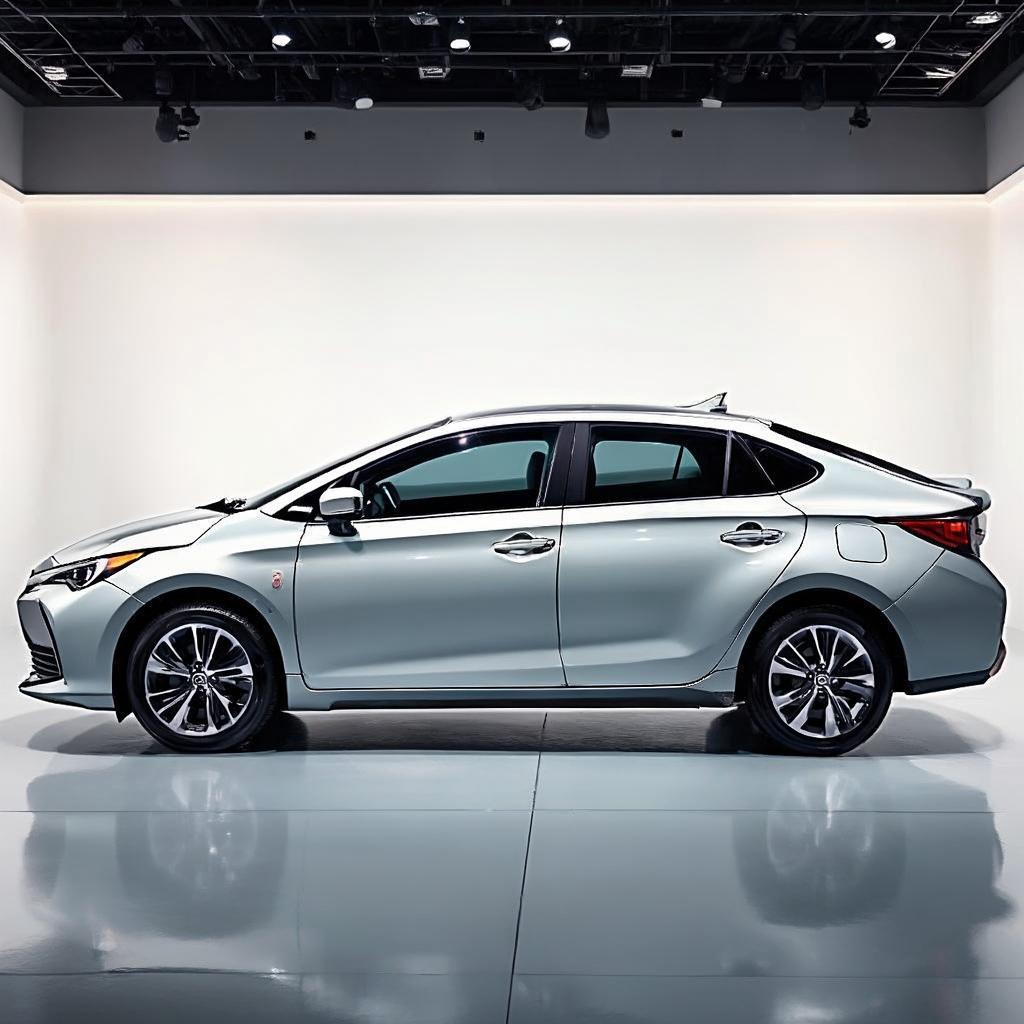
The 2025 Toyota Corolla Hybrid starts around $24,000, making it one of the most affordable hybrids available. With 53 city/46 highway MPG, this compact sedan delivers outstanding efficiency without sacrificing practicality. Standard Toyota Safety Sense 3.0 adds comprehensive active safety features, while the proven hybrid powertrain promises years of reliable service.
The 2025 Hyundai Elantra Hybrid offers similar value starting near $25,000, with 54 MPG combined and a more athletic design than some competitors. Hyundai’s comprehensive warranty—including 10-year/100,000-mile powertrain coverage—adds significant peace of mind for budget-conscious buyers.
For buyers wanting more space, the 2025 Kia Niro provides crossover utility with 53 city/45 highway MPG starting around $28,000. Its tall seating position, hatchback versatility, and roomy interior make it practical for families while maintaining excellent efficiency.
Best Hybrids Under $40,000
The $30,000-$40,000 range offers hybrid buyers significantly more choice, including compact SUVs and midsize sedans with premium features:
The 2025 Toyota Prius represents the segment benchmark, starting around $29,000 and achieving an remarkable 57 city/56 highway MPG. The latest generation combines revolutionary efficiency with dramatically improved styling and a genuinely engaging driving experience—a far cry from the appliance-like Prius of previous generations.
The 2025 Toyota Camry Hybrid delivers midsize sedan comfort with 51 city/53 highway MPG, starting around $30,000. As America’s best-selling sedan, the Camry offers proven reliability, spacious accommodations, and sophisticated styling that appeals to mainstream buyers.
The 2025 Honda Accord Hybrid targets buyers seeking driving engagement alongside efficiency. Starting near $32,000, it delivers 51 city/44 highway MPG with sharper handling than most competitors. The spacious interior and premium feature availability justify its position at the upper end of this budget range.
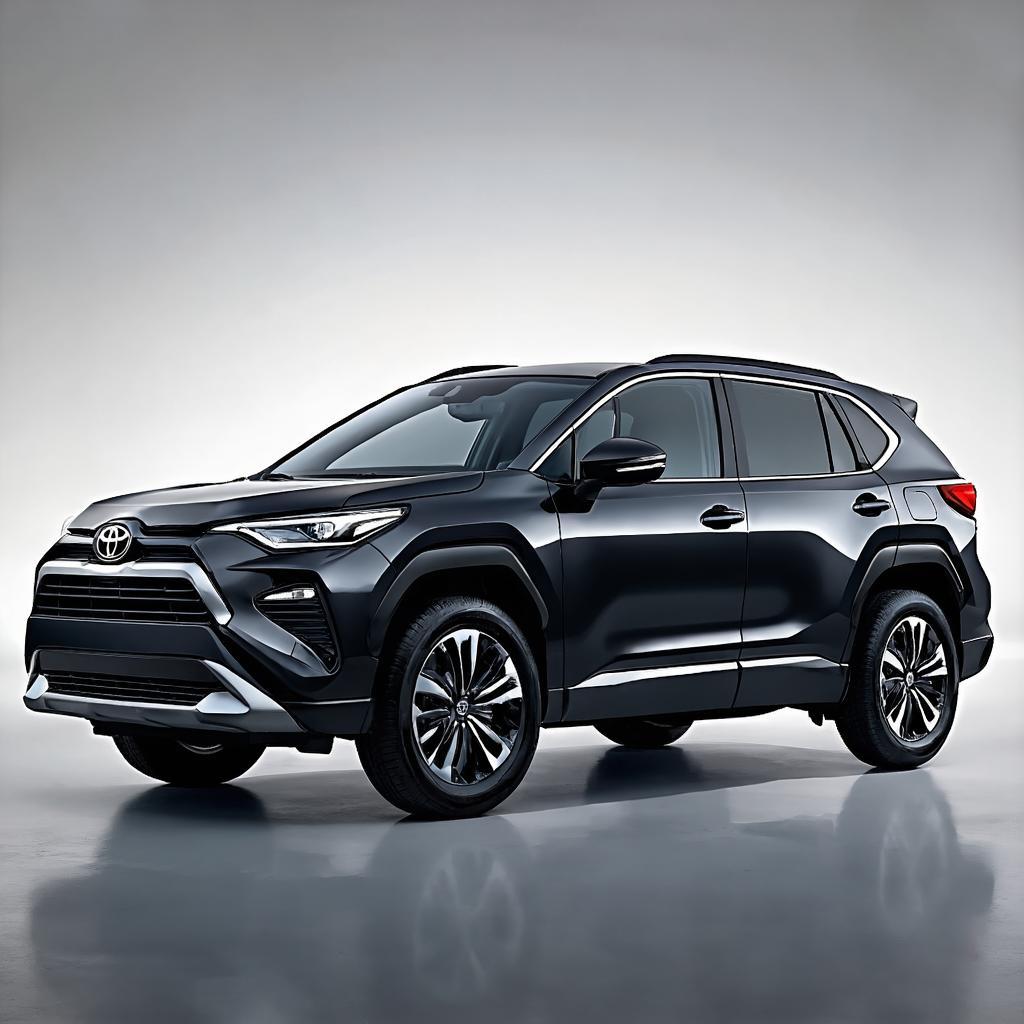
Compact SUV buyers should consider the 2025 Toyota RAV4 Hybrid, starting around $34,000 with standard all-wheel drive and 41 city/38 highway MPG. Its combination of efficiency, capability, and cargo space makes it enormously popular—and for good reason.
The 2025 Honda CR-V Hybrid offers similar value starting near $33,000, with class-leading interior space and Honda’s reputation for engineering excellence. Its 40 city/34 highway ratings and smooth hybrid powertrain make daily driving pleasant while reducing fuel expenses.
Best Hybrids Under $50,000
The $40,000-$50,000 range opens access to larger hybrid SUVs, premium features, and entry-luxury options:
The 2025 Toyota Highlander Hybrid provides three-row family utility with 36 MPG combined, starting around $42,000. This spacious SUV seats eight passengers while delivering fuel economy that approaches some compact cars—remarkable for a vehicle of its size.
The 2025 Hyundai Santa Fe Hybrid offers updated styling and technology starting near $40,000, with 36 MPG combined and available third-row seating. Hyundai’s comprehensive technology features and warranty coverage add significant value.
The 2025 Kia Sorento Hybrid similarly combines three-row seating with hybrid efficiency for around $42,000. Its distinctive styling, quality interior, and strong feature set make it a compelling alternative to the Toyota Highlander Hybrid.
The 2025 Toyota Sienna represents the only hybrid minivan option, starting near $40,000 with standard hybrid-only powertrain achieving 36 MPG combined. For families needing maximum passenger and cargo capacity, the Sienna delivers unmatched efficiency in its class.
Entry-luxury buyers can access the 2025 Lexus ES 300h in this price range, starting around $46,000. This elegant sedan delivers 43 city/44 highway MPG with Lexus refinement, premium features, and exceptional build quality.
Calculating True Value: Price vs. Savings
Evaluating hybrid value requires looking beyond purchase price to total ownership costs. The hybrid premium—typically $1,500-$4,000 over comparable non-hybrid models—can be recovered through fuel savings:
Consider a buyer choosing between the Toyota Camry Hybrid (52 MPG combined, $30,000) and a non-hybrid Camry (32 MPG combined, $28,000). The $2,000 premium difference, with 12,000 annual miles at $3.50/gallon, yields:
- Non-hybrid annual fuel cost: $1,312
- Hybrid annual fuel cost: $808
- Annual savings: $504
- Breakeven: approximately 4 years
After the breakeven point, every subsequent year represents pure savings. Over 10 years of ownership, the hybrid saves approximately $5,040 in fuel—more than double the initial premium.
Budget Plug-In Hybrid Options
Plug-in hybrids offer even greater savings potential for buyers who can charge at home, though purchase prices are higher:
The 2025 Toyota Prius Prime starts around $33,000 before federal tax credits. With the $7,500 credit (if eligible), the effective price drops near $26,000—competitive with standard hybrids while offering 44 miles of electric range.
The 2025 Toyota RAV4 Prime starts around $45,000 before incentives. After the full $7,500 federal credit, it becomes competitive with the standard RAV4 Hybrid while adding 42 miles of electric range and 302 horsepower.
For buyers whose daily commutes fall within electric range, plug-in hybrids can effectively eliminate fuel costs for routine driving while maintaining unlimited range for longer trips.
Feature Value Across Price Points
Modern hybrids offer strong feature content even at entry price points:
Under $30,000: Expect comprehensive active safety suites (automatic emergency braking, adaptive cruise, lane departure warning), touchscreen infotainment with smartphone integration, and backup cameras. The Toyota Corolla Hybrid includes Toyota Safety Sense 3.0 standard—features that were luxury-only a decade ago.
$30,000-$40,000: Add heated seats, upgraded audio systems, larger touchscreens, wireless charging, and more sophisticated driver assistance features. The 2025 Hyundai Tucson Hybrid includes Highway Driving Assist for semi-autonomous highway travel.
$40,000-$50,000: Premium features become more accessible: ventilated seats, panoramic sunroofs, premium audio systems, head-up displays, and advanced driver assistance approaching hands-free capability. The 2025 Toyota Venza includes Star Gaze panoramic roof and premium JBL audio at this price point.
Reliability Considerations
Budget buyers especially value reliability, and hybrids from established manufacturers deliver:
Toyota and Lexus hybrids consistently rank among the most reliable vehicles in Consumer Reports and J.D. Power surveys. The Toyota Prius has demonstrated exceptional longevity, with many examples exceeding 300,000 miles on original hybrid batteries.
Honda hybrids similarly demonstrate strong reliability, with the Honda CR-V Hybrid inheriting the conventional CR-V’s excellent reputation.
Korean manufacturers have improved dramatically, with Hyundai and Kia hybrids now competing closely with Japanese rivals on reliability metrics. Their industry-leading warranties provide additional protection for budget-conscious buyers.
Insurance Costs by Price Point
Insurance costs vary by vehicle value, so budget buyers should factor in premium differences:
Sub-$30,000 hybrids like the Hyundai Elantra Hybrid typically have lower insurance premiums due to their affordable replacement costs. Midsize sedans like the Toyota Camry Hybrid fall in moderate insurance categories.
Some insurers offer hybrid discounts recognizing the generally safer driving patterns of hybrid owners and the vehicles’ comprehensive safety features. Shop multiple insurance quotes when budgeting for your hybrid purchase.
Used Hybrid Value
For buyers seeking maximum value, used hybrids offer substantial savings:
A three-year-old Toyota RAV4 Hybrid typically costs $8,000-$12,000 less than new while retaining much of its hybrid battery life and warranty coverage. Toyota’s 10-year/150,000-mile hybrid battery warranty often covers used purchases.
Certified Pre-Owned programs from Toyota, Honda, Hyundai, and Kia add warranty extensions and inspection processes that reduce used hybrid purchase risk. The premium over private-party sales often justifies the added protection.
Residual Value Considerations
Hybrids typically maintain strong resale values, which benefits budget buyers in several ways:
If you plan to sell or trade in several years, the hybrid’s strong residual value reduces total ownership costs. The Toyota Prius and Toyota RAV4 Hybrid consistently lead their segments in residual value retention.
For lease buyers, higher residual values translate to lower monthly payments. Leasing a Honda Accord Hybrid may cost only slightly more than leasing the non-hybrid version due to the hybrid’s better residual.
Conclusion: Hybrid Value at Every Budget
Today’s hybrid market offers compelling value regardless of budget constraints. Entry-level buyers can access vehicles like the Toyota Corolla Hybrid and Hyundai Elantra Hybrid for under $26,000, while those with larger budgets can choose from feature-rich options like the Toyota Highlander Hybrid or Lexus ES 300h.
When calculating true value, factor in fuel savings, reliability, warranty coverage, and residual value alongside purchase price. With this comprehensive view, hybrid vehicles consistently demonstrate outstanding value propositions that make the environmental and efficiency benefits accessible to budget-conscious buyers across all price points.