City vs Highway Driving: Which Hybrids Excel in Each Environment
One of the most common questions hybrid shoppers ask is whether these vehicles perform better in city traffic or on the highway. The answer isn’t as simple as it might seem—different hybrid systems excel in different conditions, and understanding these variations helps you choose the optimal vehicle for your specific driving patterns. This comprehensive analysis explores how various hybrid types perform in city versus highway driving and which vehicles best match different commuting scenarios.
Understanding Why Hybrids Behave Differently Than Conventional Vehicles
Conventional gasoline vehicles typically achieve better fuel economy on the highway than in the city. The constant speed cruising of highway driving allows engines to operate in their most efficient range, while city driving’s constant stopping and starting wastes energy through braking and requires inefficient acceleration from standstills. Hybrids fundamentally change this dynamic through regenerative braking—recovering energy during deceleration that would otherwise be lost as heat.
This energy recovery capability explains why many hybrids achieve similar or even better fuel economy in city driving compared to highway cruising. However, the degree of this advantage varies significantly between different hybrid system designs, making your predominant driving environment an important factor in vehicle selection.
City Driving: Where Traditional Hybrids Shine
Maximizing Regenerative Braking
Stop-and-go traffic creates ideal conditions for regenerative braking to recover energy. Every red light, stop sign, and traffic slowdown becomes an opportunity to recharge the battery rather than simply dissipating energy through brake friction. Vehicles like the 2025 Toyota Prius excel in these conditions, using their sophisticated regenerative systems to capture maximum energy from each deceleration event.
The Prius achieves an EPA-rated 57 mpg in city driving—actually higher than its 56 mpg highway rating. This counterintuitive advantage demonstrates how effectively modern hybrids exploit urban driving conditions that defeat conventional vehicles. The 2025 Hyundai Elantra Hybrid shows similar city-highway parity, achieving approximately 54 mpg in both environments.
Electric-Only Low-Speed Operation
Many hybrids can operate on electric power alone at low speeds common in city traffic. This eliminates the gasoline engine’s least efficient operating mode—idling and low-load situations—entirely. Creeping through parking garages, inching through traffic jams, and navigating urban neighborhoods often occur without burning any fuel.
The 2025 Toyota Camry Hybrid can maintain electric-only operation at speeds up to about 25 mph under light load, covering significant urban driving distance on stored battery power. The engine seamlessly starts when needed for acceleration or higher speeds, then shuts off again when conditions permit pure electric operation.
Automatic Engine Stop-Start
At traffic lights and in standstill traffic, hybrid vehicles shut off their gasoline engines completely. This feature, standard on all hybrids, eliminates idling fuel consumption that significantly impacts urban fuel economy. In heavy traffic where vehicles spend considerable time stationary, this advantage accumulates meaningfully.
Highway Driving: Understanding Hybrid Behavior at Speed
Limited Regeneration Opportunities
Highway cruising at steady speeds provides few regenerative braking opportunities. Without frequent deceleration events, the primary hybrid advantage diminishes. The gasoline engine runs continuously at highway speeds, operating similarly to a conventional powertrain albeit often more efficiently due to the hybrid system’s ability to optimize engine load.
However, this doesn’t mean hybrids are inefficient on highways—they simply don’t enjoy the same relative advantage over conventional vehicles. The 2025 Honda Accord Hybrid still achieves approximately 47 mpg highway, significantly better than the conventional Accord’s 38 mpg highway rating.
Aerodynamics Matter More
At highway speeds, aerodynamic drag becomes the dominant factor in fuel consumption. Air resistance increases with the square of speed, meaning 70 mph cruising requires significantly more energy than 50 mph. Aerodynamically efficient hybrids like the 2025 Toyota Prius, with its distinctive shape optimized for slippery airflow, maintain excellent highway efficiency despite fewer regeneration opportunities.
Engine Efficiency Optimization
Sophisticated hybrid systems optimize engine operation during highway cruising. The electric motor can assist during brief acceleration needs (passing, hills) without requiring the engine to deliver peak power. Some systems can operate the engine slightly above immediate needs, using excess power to charge the battery, then shut the engine off and cruise on electric power momentarily. This pulsing strategy keeps the engine in efficient operating ranges.
Plug-In Hybrids: A Different Calculation
Plug-in hybrids change the city/highway equation fundamentally because they can cover significant distances on electricity alone before the gasoline engine activates. For drivers with short commutes who can charge at home and work, plug-in hybrids may use virtually no gasoline regardless of whether that commute involves city or highway driving.
Electric Range Covers Short Trips
The 2025 Toyota Prius Prime offers approximately 44 miles of electric range—enough to cover many daily commutes entirely on electricity. The 2025 Toyota RAV4 Prime extends this to 42 miles of electric range. For drivers whose daily driving falls within these ranges with charging access, fuel economy effectively becomes infinite on a per-trip basis.
Highway Depletes Electric Range Faster
Higher speeds consume electric range more quickly, meaning highway commuters may deplete their plug-in hybrid’s battery faster than city drivers. However, once in hybrid mode, plug-in hybrids operate like traditional hybrids with similar city/highway efficiency characteristics. The key variable is how often you can recharge—frequent charging maximizes plug-in hybrid benefits regardless of driving environment.
Larger Batteries Provide Buffer
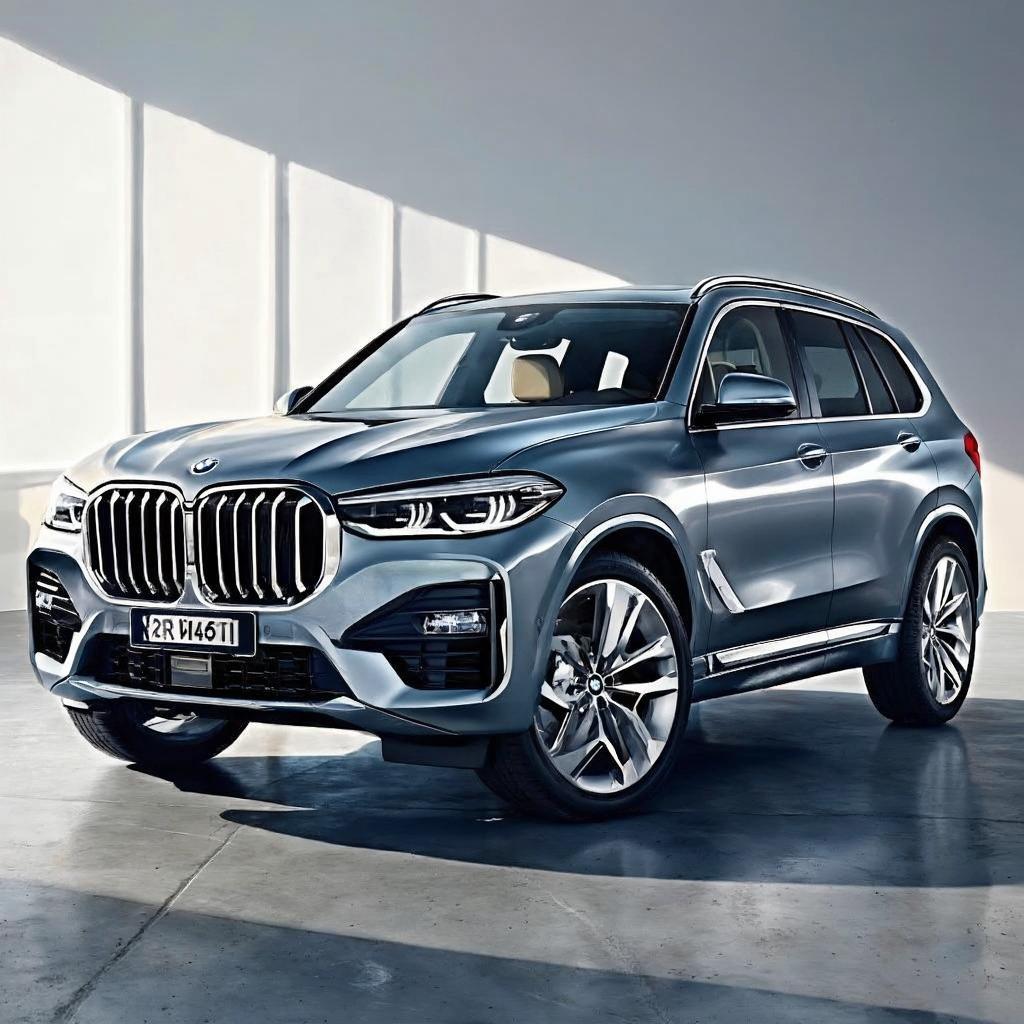
Premium plug-in hybrids like the 2025 BMW X5 xDrive50e and 2025 Jeep Grand Cherokee 4xe offer electric ranges exceeding 25 miles. While smaller than some competitors, these ranges cover substantial daily driving portions. The larger batteries also provide more regenerative braking capacity, maintaining hybrid efficiency advantages even after the initial charge depletes.
Best Hybrids for Predominantly City Driving
If your driving consists primarily of urban commuting, running errands, and navigating traffic, these hybrids will maximize your fuel savings:
The 2025 Toyota Prius remains the gold standard for city efficiency. Its sophisticated hybrid system, regenerative braking calibration, and aerodynamic design combine for class-leading urban fuel economy. The compact size also facilitates urban parking and maneuvering.
The 2025 Toyota Corolla Hybrid delivers excellent city efficiency in an even more affordable package. Its straightforward hybrid system prioritizes fuel economy, achieving approximately 53 mpg city. The compact dimensions work well in tight urban environments.
For SUV preference, the 2025 Toyota Venza delivers impressive city efficiency for its size class, achieving approximately 40 mpg city. Its crossover proportions provide better visibility in traffic while maintaining manageable urban dimensions.
Best Hybrids for Predominantly Highway Driving
Long-distance commuters and frequent travelers should prioritize highway efficiency and comfort:
The 2025 Honda Accord Hybrid combines excellent highway fuel economy with a spacious, comfortable cabin suited to extended driving. Its refined powertrain operates quietly at highway speeds, reducing fatigue on long journeys.
The 2025 Hyundai Sonata Hybrid offers exceptional highway efficiency exceeding 50 mpg, competitive with compact hybrids despite its midsize sedan proportions. Highway comfort features including adaptive cruise control and lane centering assist reduce driver workload.
For SUV space requirements, the 2025 Kia Sorento Hybrid provides family-friendly capacity while maintaining reasonable highway efficiency around 35 mpg—excellent for a three-row SUV.
Best Hybrids for Mixed Driving
Many drivers encounter both city traffic and highway stretches regularly. These versatile hybrids perform well in all conditions:
The 2025 Toyota Camry Hybrid delivers consistent efficiency across all driving environments—approximately 51 mpg city and 53 mpg highway. This balanced performance suits drivers whose commutes vary daily.
The 2025 Toyota RAV4 Hybrid achieves approximately 41 mpg city and 38 mpg highway—excellent consistency for a compact SUV with standard all-wheel drive. Its practicality suits varied lifestyle needs.
The 2025 Honda CR-V Hybrid delivers similar balanced efficiency in a package praised for interior space and refinement. Highway comfort and city maneuverability both rank highly in this versatile crossover.
Driving Techniques for Maximum Efficiency
City Driving Tips
Anticipate stops early to maximize regenerative braking distance. Avoid hard braking that overwhelms the regenerative system and requires friction brakes. Accelerate gently to allow electric assistance before the engine starts. Use cruise control in flowing traffic to maintain steady speeds. Watch the efficiency coach displays that most hybrids provide for real-time feedback.
Highway Driving Tips
Maintain steady speeds using cruise control or adaptive cruise control. Slower highway speeds (65 mph versus 75 mph) significantly improve fuel economy due to reduced aerodynamic drag. Avoid unnecessary acceleration that depletes stored battery charge. Use momentum and anticipation to minimize speed changes.
Making Your Decision
Analyze your actual driving patterns before selecting a hybrid. If you spend most of your time in stop-and-go traffic, traditional hybrids like the Prius or Elantra Hybrid will maximize your efficiency gains. If your commute involves mostly highway miles, focus on vehicles with strong highway ratings and comfortable cabins for extended driving.
For mixed driving or unpredictable schedules, choose versatile hybrids like the Camry Hybrid or Hyundai Tucson Hybrid that perform well across all conditions. If you have charging access and a predictable short commute, a plug-in hybrid like the Prius Prime could eliminate most or all of your fuel consumption regardless of driving environment.
The beauty of modern hybrid technology is that it provides meaningful efficiency improvements in virtually all driving conditions. Understanding how different systems optimize for different situations helps you choose the hybrid that best matches your specific needs and maximizes your return on investment.