Hybrid Vehicle Reliability Rankings: Which Brands and Models Last Longest
Reliability remains a primary concern for car buyers, and hybrid vehicles have earned a reputation for exceptional dependability. Long-term reliability data from consumer organizations, owner surveys, and manufacturer warranty claims demonstrates that hybrid powertrains often match or exceed the durability of conventional vehicles. This comprehensive analysis examines hybrid reliability across manufacturers, models, and time, helping you make an informed decision about your next vehicle purchase.
How Hybrid Reliability Is Measured
Multiple organizations track vehicle reliability through different methodologies:
Consumer Reports: Surveys hundreds of thousands of vehicle owners annually about problems experienced in the past 12 months. Their predicted reliability ratings combine historical data with owner survey responses, covering vehicles up to 10 years old.
J.D. Power: Measures initial quality (first 90 days of ownership) and long-term dependability (three years of ownership) through extensive owner surveys. Their Vehicle Dependability Study (VDS) has tracked automotive quality for decades.
Warranty claims data: Manufacturers track warranty repairs internally, with some data reaching public through investor reports and industry analyses.
Owner forums and long-term tests: Real-world owner experiences and automotive publication long-term tests provide anecdotal but valuable reliability information.
Toyota Hybrid Reliability Excellence
Toyota and Lexus hybrids consistently rank among the most reliable vehicles available:
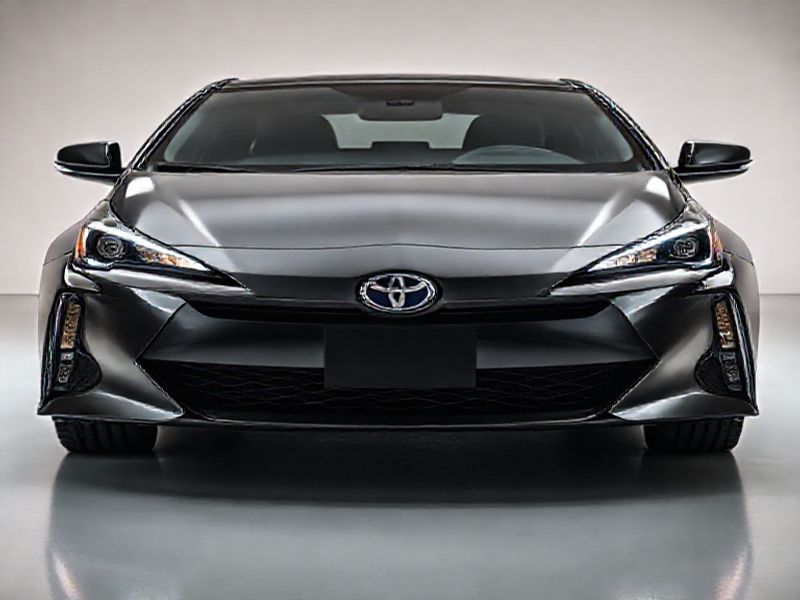
The Toyota Prius set the standard for hybrid reliability from its 1997 introduction. Original Prius models with 300,000+ miles operating on original batteries are well-documented, and Toyota’s Hybrid Synergy Drive has proven remarkably durable across generations. Consumer Reports rates the Prius well above average for reliability across all model years.
The Toyota Camry Hybrid benefits from the conventional Camry’s exceptional reliability foundation, with the hybrid powertrain adding complexity that hasn’t compromised dependability. Owner surveys consistently rate the Camry Hybrid among the most trouble-free midsize sedans available.
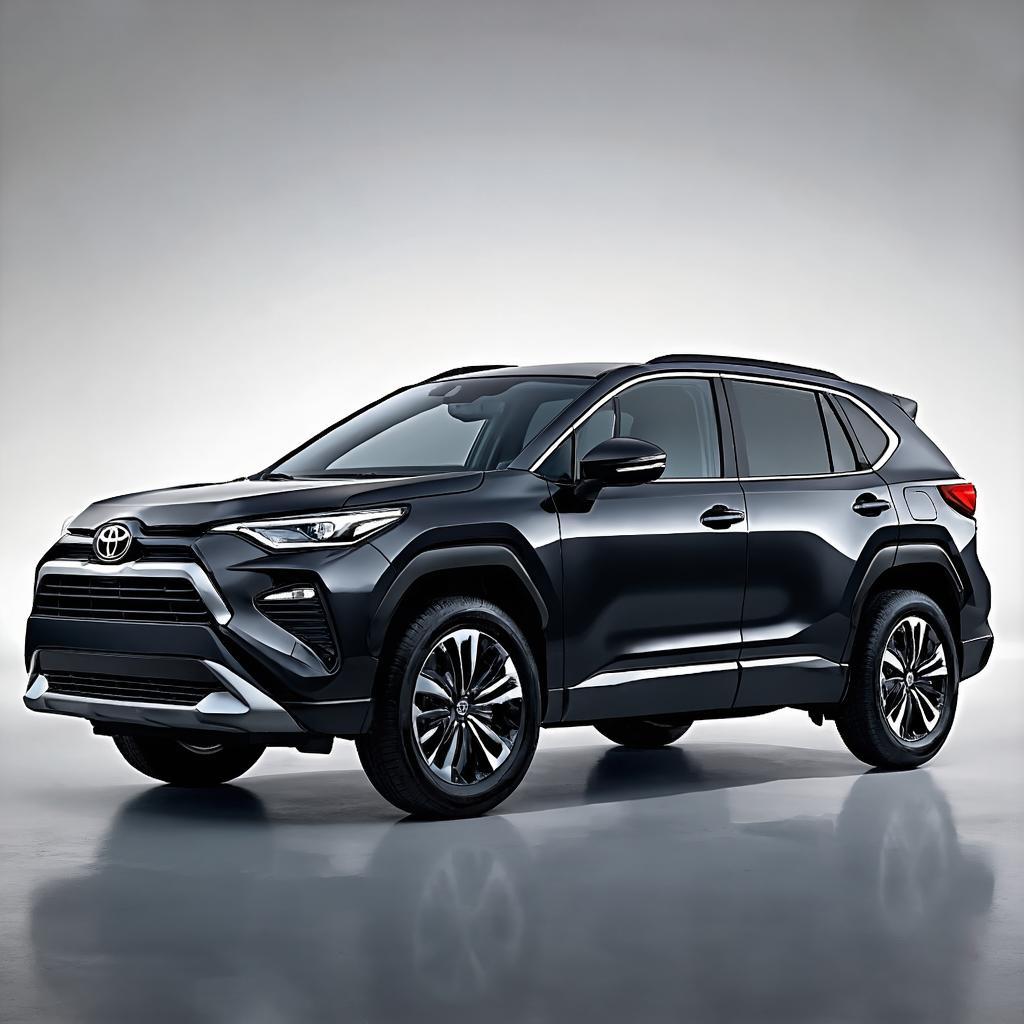
SUV buyers benefit from the Toyota RAV4 Hybrid’s strong reliability record. Since its 2016 introduction, the RAV4 Hybrid has demonstrated durability matching or exceeding the non-hybrid RAV4, with hybrid-specific components showing minimal issues.
The Toyota Highlander Hybrid extends this reliability to three-row family SUVs, with owners reporting trouble-free ownership across multiple generations. Lexus variants like the RX 450h+ add luxury features without compromising the underlying reliability.
Honda Hybrid Dependability
Honda hybrids have evolved through multiple generations with improving reliability:
Early Honda IMA (Integrated Motor Assist) hybrids, including the original Insight and first Civic Hybrid, experienced some battery degradation issues that affected Honda’s hybrid reputation. However, current-generation Honda hybrids use different, more durable technology.
The Honda Accord Hybrid uses Honda’s two-motor hybrid system, which has proven reliable since its 2014 introduction. Owner surveys rate the Accord Hybrid comparably to the conventional Accord—itself one of the most reliable midsize sedans available.
The Honda CR-V Hybrid inherits the CR-V’s excellent reliability reputation. Since joining the lineup in 2020, the hybrid variant has demonstrated the dependability Honda owners expect, with minimal hybrid-specific issues reported.
Korean Manufacturer Reliability Progress
Hyundai and Kia hybrids have improved dramatically from earlier Korean vehicle reliability concerns:
The Hyundai Tucson Hybrid and Santa Fe Hybrid benefit from Hyundai’s overall quality improvements over the past decade. J.D. Power now ranks Hyundai among the top mainstream brands for initial quality, and long-term reliability has followed suit.
The Kia Sportage Hybrid and Kia Sorento Hybrid share platforms and powertrains with their Hyundai counterparts, delivering similar reliability. Kia’s industry-leading warranty demonstrates manufacturer confidence in long-term durability.
The Kia Niro, designed from the ground up as a hybrid, has established a strong reliability record since its 2016 introduction. Owner forums report minimal significant issues, and Consumer Reports rates the Niro above average for reliability.
Hybrid Battery Longevity
Hybrid battery durability represents the most significant reliability concern for prospective buyers, but real-world data is reassuring:
Toyota hybrid batteries have demonstrated exceptional longevity. Studies of taxi fleets using Prius models show batteries lasting 400,000+ miles with minimal degradation. The nickel-metal hydride (NiMH) batteries Toyota used through the 2010s have proven particularly durable, and their lithium-ion batteries in current models like the 2025 Toyota Prius are engineered for similar longevity.
Battery replacement rates remain remarkably low. One analysis of Toyota hybrid battery warranty claims found replacement rates below 1% during the warranty period. Extended 10-year/150,000-mile warranties from Toyota and other manufacturers further reduce buyer risk.
When batteries do eventually need replacement, costs have decreased significantly. Aftermarket refurbished batteries and cell replacement services offer economical alternatives to dealer replacement, extending hybrid vehicle useful life.
Electric Motor and Inverter Reliability
Hybrid electric motors and power electronics have proven highly reliable:
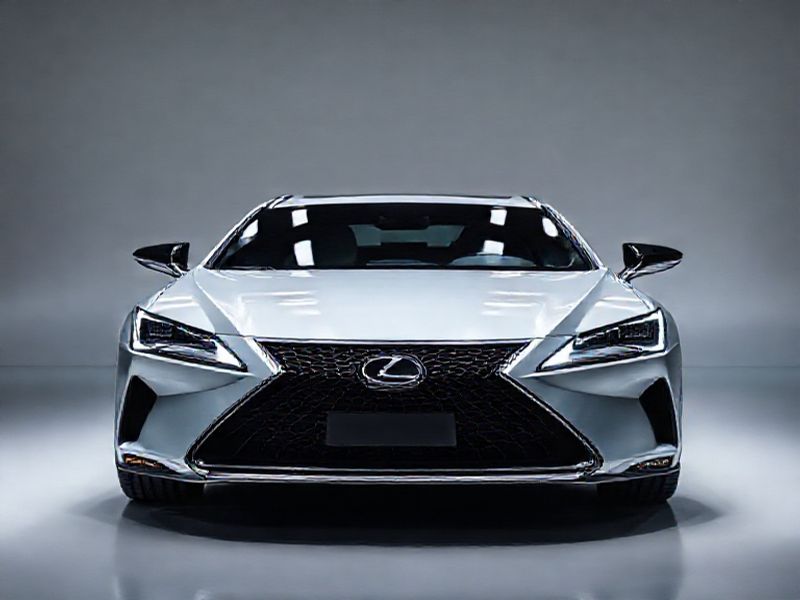
Electric motors contain far fewer moving parts than internal combustion engines—no valves, pistons, or complex lubrication systems. The permanent magnet motors in vehicles like the Toyota Venza and Lexus ES 300h have demonstrated exceptional durability with minimal maintenance requirements.
Inverters convert between AC and DC power and manage power flow within the hybrid system. While complex electronically, modern inverters are designed for the vehicle’s lifespan and rarely require replacement. Coolant maintenance helps ensure inverter longevity.
Regenerative braking systems have proven remarkably reliable while reducing wear on conventional brake components. Hybrid brake pads and rotors often last twice as long as those on conventional vehicles, as regenerative braking handles much of the deceleration workload.
Transmission Reliability in Hybrids
Hybrid transmissions differ significantly from conventional automatic transmissions and generally prove more reliable:
Toyota’s power-split device (eCVT) uses planetary gearsets without traditional clutches or torque converters. This mechanically simpler design has proven exceptionally durable, with minimal reports of transmission issues in properly maintained vehicles.
Honda’s two-motor system in the CR-V Hybrid and Accord Hybrid eliminates the traditional transmission entirely for most driving, with the engine connecting directly to the wheels only at highway speeds through a lock-up clutch. This approach reduces complexity and potential failure points.
Hyundai and Kia use conventional automatic transmissions with integrated electric motors in some hybrids, which has proven reliable in their current-generation vehicles.
Gasoline Engine Reliability in Hybrids
Hybrid gasoline engines often experience less stress than their conventional counterparts:
Electric motor assist reduces peak loads on the gasoline engine, as the electric motor handles initial acceleration and provides additional power during high-demand situations. This load-sharing reduces engine wear over time.
Atkinson-cycle engines used in many hybrids, including the Toyota Camry Hybrid, operate at lower stress levels than conventional Otto-cycle engines, trading peak power for improved efficiency and reduced wear.
Automatic engine shutdown at stops eliminates idle wear—the low-load, fuel-inefficient running that contributes to engine wear in conventional vehicles. Start-stop systems in hybrids are designed for frequent cycling and have proven durable.
Common Hybrid Issues to Monitor
While generally reliable, hybrids have some known issues worth monitoring:
12-volt auxiliary battery: Hybrids use conventional 12-volt batteries for starting the hybrid system, and these batteries can wear out. Replacement is inexpensive ($150-$300) but failure can strand the vehicle. The Toyota Sienna and other hybrids typically require 12-volt battery replacement every 4-6 years.
Coolant system maintenance: Hybrid cooling systems often include separate circuits for the battery and inverter. Maintaining coolant levels and changing coolant per manufacturer schedules helps ensure component longevity.
Software updates: Hybrid system software occasionally requires updates to address performance or efficiency optimizations. Maintaining regular service allows dealers to apply updates as needed.
Plug-In Hybrid Reliability Considerations
Plug-in hybrids like the Toyota RAV4 Prime and Jeep Grand Cherokee 4xe add charging systems that require some additional maintenance awareness:
Charging ports and associated wiring have proven reliable, though the physical port can be damaged by impacts. Keep the charging port clean and protected when not in use.
Larger PHEV battery packs undergo more intensive charge-discharge cycles than standard hybrid batteries, potentially affecting longevity differently. However, manufacturer warranties typically cover PHEV batteries for the same 8-10 year periods as standard hybrids, demonstrating confidence in durability.
Home charging equipment requires occasional inspection, with GFCI-protected outlets and proper installation ensuring safe operation. Most charging-related issues stem from installation problems rather than vehicle defects.
Reliability by Vehicle Segment
Compact/midsize sedans: The Toyota Prius, Camry Hybrid, and Honda Accord Hybrid demonstrate excellent reliability, consistently ranking among the most dependable vehicles in their classes.
Compact SUVs: The Toyota RAV4 Hybrid, Honda CR-V Hybrid, and Hyundai Tucson Hybrid show strong reliability, with hybrid variants matching or exceeding their conventional counterparts.
Three-row SUVs: The Toyota Highlander Hybrid and Kia Sorento Hybrid provide family-friendly reliability with hybrid efficiency.
Trucks: The Ford F-150 PowerBoost is still establishing its long-term reliability record, but early reports are positive. The Ford Maverick Hybrid has demonstrated good initial quality.
Conclusion: Hybrids as Reliability Leaders
The evidence clearly demonstrates that hybrid vehicles from established manufacturers match or exceed the reliability of conventional vehicles. Toyota and Lexus hybrids set the standard, with the Prius, RAV4 Hybrid, and Lexus RX 450h+ earning exceptional reliability ratings. Honda, Hyundai, and Kia hybrids have proven increasingly competitive, offering reliable ownership experiences backed by comprehensive warranties.
When choosing a hybrid vehicle, select models with strong reliability track records, maintain the vehicle according to manufacturer schedules, and take comfort in knowing that hybrid technology has proven its durability over millions of miles of real-world driving. The complexity that once concerned buyers has become a well-engineered advantage, delivering both efficiency and dependability.