Luxury Plug-In Hybrid SUVs Compared: Lexus, BMW, Porsche, and Volvo
Luxury Meets Efficiency: The Rise of Premium Hybrid SUVs
The luxury segment has embraced hybrid technology with impressive results. Gone are the days when choosing a hybrid meant sacrificing performance or prestige. Today’s premium hybrid SUVs deliver everything discerning buyers expect while adding remarkable efficiency.
Having experienced several luxury hybrid SUVs firsthand, I can report that these vehicles redefine what hybrid ownership means. The 2025 Lexus RX 450h+ and 2025 BMW X5 xDrive50e represent the pinnacle of this segment, though they approach the mission quite differently.
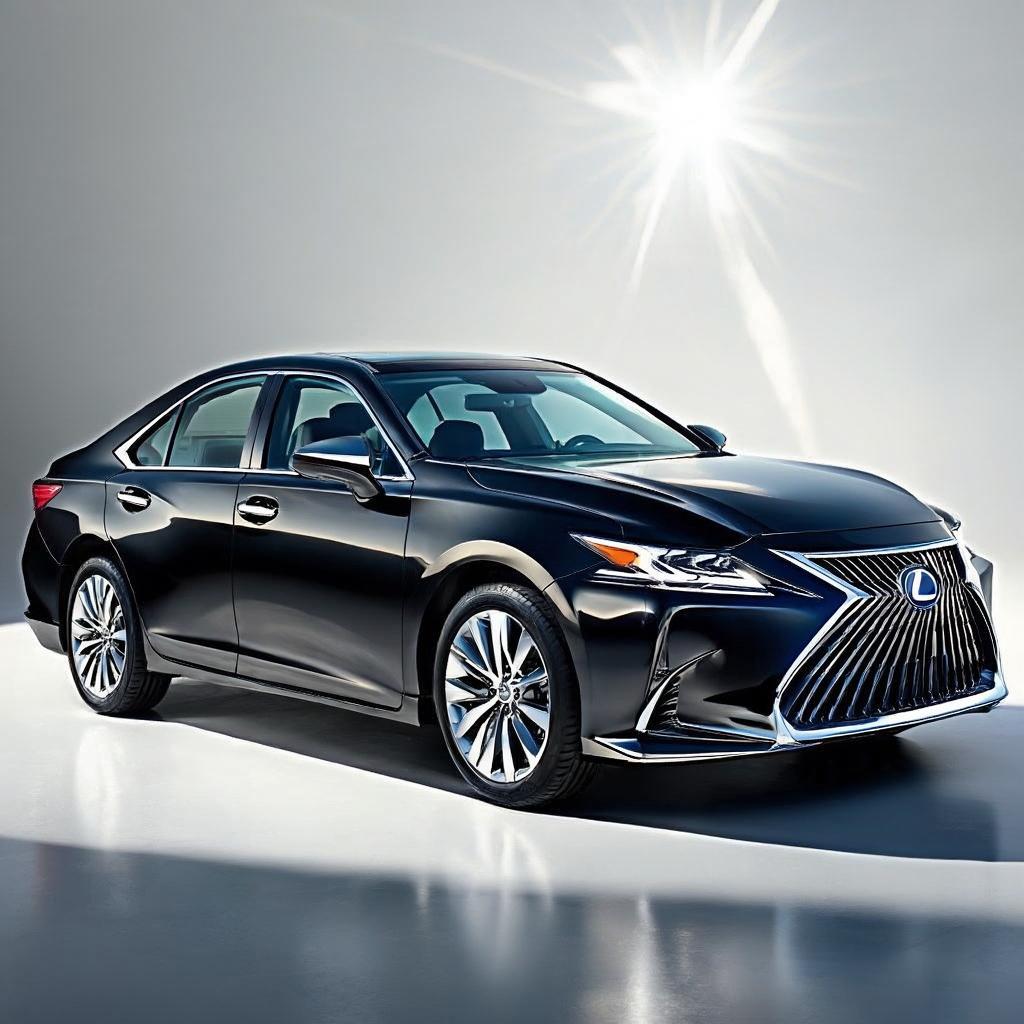
Lexus RX 450h+: The Refined Choice
Lexus essentially invented the luxury hybrid SUV segment with the original RX 400h back in 2005. Two decades later, the RX 450h+ represents the culmination of their expertise.
The “+” designation indicates plug-in hybrid capability, meaning this Lexus can drive approximately 37 miles on electricity alone. For many owners, this covers their daily commute entirely, resulting in gasoline-free daily driving while retaining unlimited range for longer trips.
Driving Impressions
Behind the wheel, the RX 450h+ impresses with its near-silent operation in EV mode. The transition to hybrid power when the battery depletes happens so smoothly that passengers rarely notice. Lexus has mastered the art of making complex technology feel invisible.
The combined 302 horsepower provides adequate performance for merging and passing, though this Lexus prioritizes comfort over sportiness. The suspension absorbs road imperfections elegantly, making long highway drives genuinely relaxing.
Interior Excellence
Lexus interiors have always emphasized craftsmanship, and the RX 450h+ continues this tradition:
- Semi-aniline leather seating with heating and ventilation
- Genuine wood trim in multiple finish options
- 14-inch touchscreen with updated infotainment interface
- Mark Levinson audio system with 21 speakers
- Panoramic moonroof flooding the cabin with natural light
- Ambient lighting in 64 customizable colors
BMW X5 xDrive50e: The Performance Approach
BMW takes a different philosophical approach with the X5 xDrive50e. This plug-in hybrid prioritizes driving engagement while still delivering impressive efficiency.
The numbers tell the story: 483 combined horsepower from a turbocharged inline-six engine paired with an electric motor. This BMW sprints from 0-60 mph in just 4.6 seconds, performance that rivals many sports sedans.
Performance Credentials
| Specification | BMW X5 xDrive50e | Lexus RX 450h+ |
|---|---|---|
| Total System Power | 483 hp | 302 hp |
| 0-60 mph | 4.6 seconds | 6.0 seconds |
| Electric-Only Range | 30 miles | 37 miles |
| Combined MPG (hybrid mode) | 50 MPGe | 35 MPG |
| Towing Capacity | 5,952 lbs | 3,500 lbs |
| Starting MSRP | $76,500 | $59,850 |
Mercedes and Porsche Enter the Arena
The German luxury brands have invested heavily in plug-in hybrid technology. The Mercedes-Benz GLE 450e combines the brand’s legendary comfort with meaningful electric range.
Mercedes emphasizes refinement above all else. The air suspension glides over rough pavement, while the EQ Boost mild-hybrid system adds responsiveness without compromising smoothness. For buyers who prioritize comfort during long commutes, the GLE 450e delivers exceptionally.
Porsche takes yet another approach with the Cayenne E-Hybrid. True to the brand’s sports car heritage, this hybrid SUV feels genuinely athletic. The electric motor fills in torque gaps, providing instantaneous response that makes the Cayenne feel smaller than its dimensions suggest.
The Volvo Alternative: Swedish Sensibility
Volvo’s XC90 Recharge deserves special mention for its distinctive approach. The Swedish brand has committed to electrification more aggressively than most competitors, and the XC90 Recharge exemplifies their vision.
What distinguishes Volvo is their emphasis on sustainability beyond just fuel economy. The interior uses recycled materials and sustainable manufacturing processes. For environmentally conscious buyers, this holistic approach resonates deeply.
XC90 Recharge Highlights
- 35-mile electric range for emissions-free daily driving
- Third-row seating for seven passengers
- Pilot Assist semi-autonomous driving capability
- Google built-in for navigation and voice commands
- Air purification system for cleaner cabin air
- Sustainable materials throughout the interior
Ownership Considerations for Luxury Hybrids
Purchasing a luxury plug-in hybrid involves considerations beyond conventional vehicles. Understanding these factors ensures satisfaction with your investment.
Charging Infrastructure
All plug-in hybrids benefit from home charging capability. Installing a Level 2 charger (240V) allows overnight charging that maximizes electric driving. Costs vary from $500 to $1,500 including installation, though many utility companies offer rebates.
Without home charging, plug-in hybrids still function as conventional hybrids. You simply will not maximize the electric driving potential or achieve the best possible fuel economy figures.
Maintenance Realities
Luxury vehicle maintenance costs exceed mainstream alternatives regardless of powertrain. However, hybrid systems often reduce certain maintenance items:
| Maintenance Item | Luxury Hybrid | Conventional Luxury |
|---|---|---|
| Brake pad replacement | Every 60,000-80,000 miles | Every 30,000-50,000 miles |
| Oil change interval | 7,500-10,000 miles | 5,000-7,500 miles |
| Transmission service | Often sealed/lifetime | Every 60,000 miles |
| Annual fuel cost (12k miles) | $800-1,200 | $2,000-2,800 |
Which Luxury Hybrid Suits You Best?
Choosing among these excellent options depends on your priorities:
Choose the Lexus RX 450h+ if:
- Reliability and long-term ownership matter most
- You prefer understated luxury over flashiness
- Maximum electric range is a priority
- Value retention is an important consideration
Choose the BMW X5 xDrive50e if:
- Driving engagement excites you
- Performance rivals efficiency in importance
- Towing capability matters
- The latest technology features are desired
Choose the Volvo XC90 Recharge if:
- Safety is the primary concern
- Sustainability extends beyond fuel economy
- Third-row seating is necessary
- Scandinavian design aesthetic appeals to you
The Financial Perspective
Luxury plug-in hybrids command premium pricing, but the financial picture includes multiple factors. Federal tax credits up to $7,500 may apply depending on manufacturer and battery size. State incentives add additional savings in many locations.
Fuel savings compound significantly in luxury vehicles because they would otherwise consume premium gasoline at lower fuel economy ratings. A luxury SUV achieving 20 MPG costs roughly $4,000 annually in fuel at current prices. A plug-in hybrid with regular charging might spend $1,000 or less.
Total Cost of Ownership Comparison (5 Years, 12k Miles/Year)
| Cost Category | Luxury PHEV | Conventional Luxury SUV |
|---|---|---|
| Purchase Price (after incentives) | $55,000-75,000 | $55,000-75,000 |
| Fuel/Electricity | $5,000-6,000 | $18,000-20,000 |
| Maintenance | $4,000-6,000 | $6,000-8,000 |
| Insurance | $8,000-10,000 | $8,000-10,000 |
| Depreciation | $25,000-35,000 | $28,000-38,000 |
| Total 5-Year Cost | $97,000-132,000 | $115,000-151,000 |
The Future of Luxury Hybrids
The luxury segment continues advancing hybrid technology rapidly. Upcoming models promise even greater electric range, faster charging, and improved performance. However, current offerings already deliver exceptional experiences that satisfy demanding buyers.
For those hesitant about full electric vehicles due to charging infrastructure concerns or range anxiety, luxury plug-in hybrids offer the perfect intermediate step. You enjoy electric driving benefits without limitations, wrapped in the quality and prestige expected from premium brands.
Explore our complete luxury hybrid coverage including the Lexus RX 450h+, BMW X5 xDrive50e, Porsche Cayenne E-Hybrid, and Volvo XC90 Recharge for complete specifications and pricing.