First-Time Hybrid Buyer’s Complete Checklist
The Complete First-Time Hybrid Buyer’s Checklist: Everything You Need to Know
Purchasing your first hybrid vehicle can feel overwhelming with unfamiliar technology and new considerations to evaluate. This comprehensive checklist guides first-time hybrid buyers through every step of the process, ensuring you understand what you’re buying and make a choice that matches your needs.
Understanding What a Hybrid Actually Is
Before shopping, make sure you understand the basic types of electrified vehicles and how they differ.
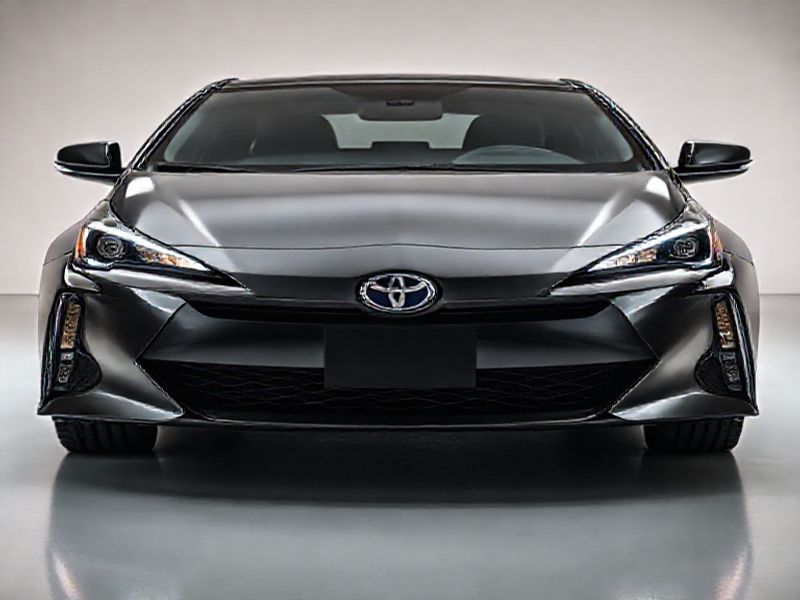
A standard hybrid combines a gasoline engine with an electric motor and battery. The battery recharges through regenerative braking and engine power. You never plug it in. Examples include the Toyota Prius and Honda Accord Hybrid.
A plug-in hybrid has a larger battery that you charge externally. It can drive meaningful distances on electricity alone before the gasoline engine engages. Examples include the Toyota RAV4 Prime and Chrysler Pacifica Hybrid.
A fully electric vehicle has no gasoline engine and runs entirely on battery power. You must charge it regularly. Examples include the Tesla Model 3 and Chevrolet Bolt.
Standard hybrids offer the simplest ownership experience with no charging requirements. Plug-in hybrids offer greater electric capability but require access to charging. Understanding this distinction helps focus your shopping.
Assessing Your Driving Needs
Your daily driving patterns significantly influence which hybrid best suits your needs.
Calculate your average daily driving distance. Standard hybrids work well for any distance since they never need charging. Plug-in hybrids offer the most benefit when daily driving stays within their electric range.
Consider your typical driving conditions. City driving with frequent stops maximizes hybrid efficiency. Highway driving at steady speeds reduces the hybrid advantage, though still improves over conventional vehicles.
Evaluate your need for cargo space and passenger capacity. Hybrids are available in every body style from compact sedans to full-size SUVs. Match the vehicle size to your actual needs.
Think about occasional needs like road trips or towing. Standard hybrids handle these situations identically to conventional vehicles. Plug-in hybrids simply switch to hybrid mode when the battery depletes.
Evaluating Your Charging Situation (For Plug-In Hybrids)
If considering a plug-in hybrid, honestly assess your charging capabilities.
Home charging provides the most convenient plug-in ownership experience. A standard 120-volt outlet works but charges slowly, adding about 4 miles of range per hour. A 240-volt outlet with a dedicated charger adds 20-30 miles per hour.
Apartment dwellers without dedicated parking face greater challenges. Workplace charging or public charging can supplement, but relying solely on public infrastructure reduces plug-in benefits.
If convenient charging is unavailable, a standard hybrid may better suit your situation. The fuel savings still exist without the charging requirements.
Setting a Realistic Budget
Hybrid vehicles typically cost more than equivalent conventional models, though the premium has decreased substantially over time.
Research the price difference between hybrid and conventional versions of vehicles you’re considering. This premium typically ranges from $1,500 to $5,000 depending on the model.
Calculate expected fuel savings based on your driving patterns and local gas prices. Most hybrid buyers recover the purchase premium through fuel savings within three to five years.
For plug-in hybrids, factor in available tax credits. Federal credits up to $7,500 can significantly reduce effective purchase prices for qualifying vehicles and buyers.
Consider total cost of ownership including fuel, maintenance, insurance, and depreciation. Hybrids often prove competitive or advantageous in total ownership cost analysis.
Researching Specific Models
The hybrid market offers numerous excellent options across all vehicle categories.
Start with reliability ratings from organizations like Consumer Reports and J.D. Power. Hybrid technology has proven remarkably reliable, but some models have better track records than others.
Read owner reviews to understand real-world experiences. Pay attention to comments about fuel economy achievement, driving experience, and any recurring issues.
Check safety ratings from NHTSA and IIHS. Most modern hybrids earn excellent safety ratings, but verify the specific models you’re considering.
Review fuel economy ratings on the EPA’s fueleconomy.gov website. Compare city, highway, and combined ratings for vehicles in your consideration set.
Understanding Hybrid-Specific Features
Hybrid vehicles include features that conventional cars lack. Understanding these features helps you evaluate options effectively.
Energy flow displays show power moving between engine, motor, and battery. These displays help you understand efficiency and can improve your driving technique.
Driving mode selectors change how the hybrid system manages power. Eco modes maximize efficiency, while sport modes prioritize performance. Some vehicles offer EV modes that force electric-only operation when possible.
Battery information displays show current charge level and sometimes remaining electric range for plug-in models. Understanding typical charge levels helps you know when the system is operating normally.
Regenerative braking intensity may be adjustable on some vehicles. Stronger regeneration allows one-pedal driving techniques that maximize energy recovery.
Test Driving Considerations
Test drives reveal aspects of hybrid ownership that specifications cannot convey.
Pay attention to the transition between electric and gasoline power. In well-designed hybrids, this transition should be nearly imperceptible. Jerky or obvious transitions indicate less refined systems.
Test acceleration from a stop and during highway merging. Hybrids should feel adequately powerful for your needs. Some buyers find certain hybrids feel underpowered compared to expectations.
Notice the quietness of electric operation. When the gasoline engine is off, hybrids can be remarkably quiet. This characteristic appeals to many buyers.
Evaluate the energy flow display and other hybrid-specific features during the test drive. Make sure you understand and can use the information provided.
Try different driving modes if available. Experience the difference between eco and normal operation to understand your preferences.
Negotiating Your Purchase
Hybrid vehicle purchasing follows the same general process as any car purchase, with a few additional considerations.
Research fair market prices using sites like Kelley Blue Book, Edmunds, and TrueCar. Popular hybrids sometimes sell at or above MSRP when inventory is tight.
Verify available incentives including manufacturer rebates and tax credits. Dealers should be able to explain what incentives apply to specific vehicles.
Consider financing terms carefully. Sometimes manufacturer financing offers compete favorably with outside lenders, especially during promotional periods.
Get your trade-in appraised independently before negotiating. Knowing your vehicle’s value prevents accepting lowball offers as part of the deal.
Preparing for Ownership
A few preparations smooth the transition to hybrid ownership.
Read the owner’s manual thoroughly. Hybrid-specific features and recommendations differ from conventional vehicles. Understanding your vehicle’s systems improves the ownership experience.
Locate service facilities qualified to work on hybrid vehicles. While routine maintenance can happen anywhere, more complex work may require specialized training and equipment.
If purchasing a plug-in hybrid, arrange for charger installation before delivery. Coming home to an installed charger allows you to experience the full benefits immediately.
Set realistic expectations for fuel economy. Your results will vary based on driving conditions and habits. The EPA numbers represent averages that you may exceed or fall short of depending on circumstances.
Enjoying Your Hybrid
Hybrid ownership offers genuine benefits that improve over time as you learn to maximize efficiency.
Develop smooth driving habits that maximize hybrid benefits. Gentle acceleration, anticipating stops, and maintaining steady speeds all improve fuel economy.
Use the energy flow display to understand how your driving affects efficiency. Small adjustments to your technique can produce noticeable improvements.
Track your fuel economy over time. Many hybrid owners find satisfaction in improving their numbers through refined technique.
Share your experience with others considering hybrid technology. Your real-world perspective helps potential buyers make informed decisions.