Hybrid Vehicle Warranties Compared: Coverage Every Owner Should Understand
Hybrid vehicle warranties represent some of the most comprehensive coverage in the automotive industry, with specialized protection for expensive hybrid-specific components. Understanding what’s covered, for how long, and by whom can save thousands of dollars over the life of your vehicle. This detailed guide examines warranty coverage across major manufacturers, helping you make informed decisions and maximize your protection.
Understanding Hybrid Warranty Structure
Hybrid warranties typically consist of multiple coverage tiers, each protecting different components for varying durations:
Basic/Bumper-to-Bumper Warranty: Covers virtually all vehicle components except wear items. Usually 3 years/36,000 miles on most brands, though some manufacturers extend this coverage.
Powertrain Warranty: Covers engine, transmission, and drive components. Typically 5 years/60,000 miles, though Korean manufacturers offer 10 years/100,000 miles.
Hybrid Component Warranty: Specifically covers hybrid battery pack, electric motors, power control units, and related components. Federal minimums require 8 years/100,000 miles, with CARB-state requirements at 10 years/150,000 miles.
Corrosion/Rust-Through Warranty: Protects body panels from perforation due to rust. Typically 5-7 years with unlimited mileage.
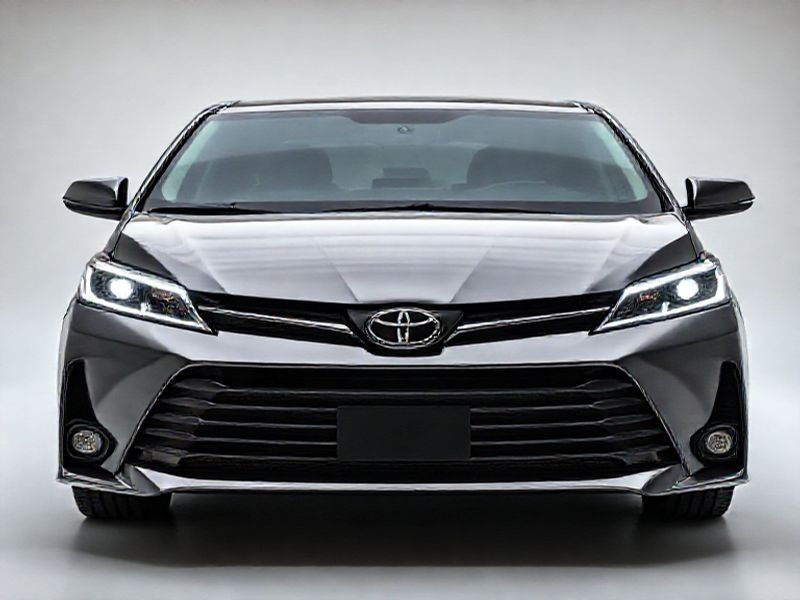
Toyota Hybrid Warranty Coverage
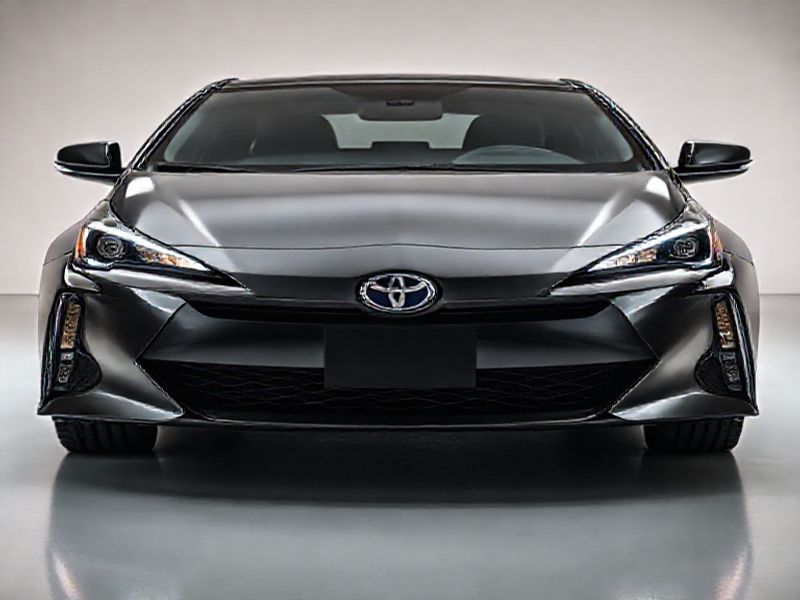
Toyota offers strong warranty protection across its extensive hybrid lineup, including the 2025 Toyota Prius, 2025 Toyota RAV4 Hybrid, 2025 Toyota Camry Hybrid, and more:
- Basic Warranty: 3 years/36,000 miles bumper-to-bumper
- Powertrain: 5 years/60,000 miles
- Hybrid Battery: 10 years/150,000 miles (all 50 states as of 2020 models)
- Corrosion: 5 years/unlimited miles (perforation)
- Roadside Assistance: 2 years/unlimited miles
Toyota’s 10-year/150,000-mile hybrid battery warranty across all states—not just CARB states—demonstrates exceptional confidence in their hybrid technology. This coverage applies to the 2025 Toyota Highlander Hybrid, 2025 Toyota Sienna, and all other Toyota hybrids and plug-in hybrids.
The plug-in hybrid models like the 2025 Toyota RAV4 Prime and 2025 Toyota Prius Prime receive identical hybrid component coverage, protecting their larger battery packs with the same 10-year/150,000-mile terms.
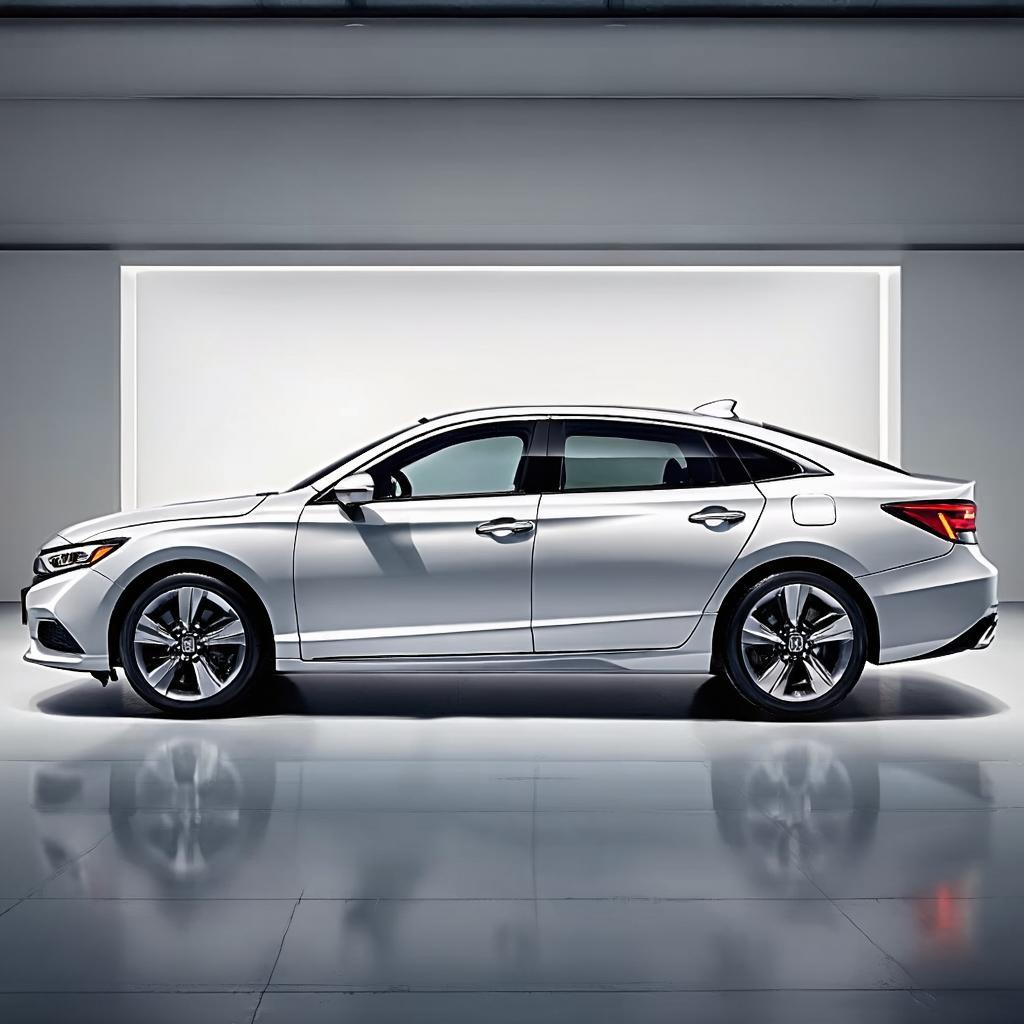
Honda Hybrid Warranty Details
Honda provides solid warranty coverage for hybrids like the 2025 Honda Accord Hybrid and 2025 Honda CR-V Hybrid:
- Basic Warranty: 3 years/36,000 miles
- Powertrain: 5 years/60,000 miles
- Hybrid Battery: 8 years/100,000 miles (federal states) or 10 years/150,000 miles (CARB states)
- Corrosion: 5 years/unlimited miles
- Roadside Assistance: 3 years/36,000 miles
Honda’s warranty covers the IMA (Integrated Motor Assist) battery, electric motor, and related control components. Battery capacity degradation beyond normal specifications is covered, meaning if your hybrid battery loses excessive capacity during the warranty period, Honda will replace it at no charge.
Hyundai Hybrid Warranty Excellence
Hyundai offers perhaps the industry’s most comprehensive warranty package, covering vehicles like the 2025 Hyundai Tucson Hybrid and 2025 Hyundai Sonata Hybrid:
- Basic Warranty: 5 years/60,000 miles (class-leading)
- Powertrain: 10 years/100,000 miles (original owner)
- Hybrid Battery: Lifetime coverage for original owner
- Corrosion: 7 years/unlimited miles
- Roadside Assistance: 5 years/unlimited miles
Hyundai’s lifetime hybrid battery warranty for original owners eliminates battery replacement concerns entirely. This coverage continues for the life of the vehicle as long as the original purchaser owns it. For the 2025 Hyundai Santa Fe Hybrid and 2025 Hyundai Elantra Hybrid, this warranty provides exceptional peace of mind.
Second owners receive 10 years/100,000 miles powertrain coverage and the standard 10 years/150,000 miles hybrid component coverage in CARB states, still exceeding most competitors’ offerings.
Kia Hybrid Warranty Coverage
Kia mirrors Hyundai’s generous terms, protecting vehicles like the 2025 Kia Sportage Hybrid and 2025 Kia Sorento Hybrid:
- Basic Warranty: 5 years/60,000 miles
- Powertrain: 10 years/100,000 miles
- Hybrid Battery: 10 years/100,000 miles (lifetime for original owner on some models)
- Corrosion: 5 years/100,000 miles
- Roadside Assistance: 5 years/60,000 miles
The 2025 Kia Niro benefits from this comprehensive coverage, with the hybrid battery protected for a decade of worry-free ownership. Kia’s warranty department has received strong customer satisfaction ratings for claim handling and service.
Lexus Hybrid Warranty Terms
Lexus, Toyota’s luxury division, provides enhanced coverage for vehicles like the 2025 Lexus RX 450h+ and 2025 Lexus ES 300h:
- Basic Warranty: 4 years/50,000 miles (enhanced from Toyota)
- Powertrain: 6 years/70,000 miles
- Hybrid Components: 10 years/150,000 miles (all 50 states)
- Corrosion: 6 years/unlimited miles
- Complimentary Maintenance: 2 years/20,000 miles
Lexus adds complimentary scheduled maintenance for two years, covering oil changes, tire rotations, and multi-point inspections. This premium warranty experience extends to the 2025 Lexus NX 350h and 2025 Lexus TX 500h, providing luxury owners with comprehensive protection.
BMW Plug-In Hybrid Warranty
BMW offers specialized coverage for its plug-in hybrid lineup including the 2025 BMW X5 xDrive50e and 2025 BMW 330e:
- Basic Warranty: 4 years/50,000 miles
- High-Voltage Battery: 8 years/100,000 miles (federal states)
- Electric Drive Components: 8 years/100,000 miles
- Corrosion: 12 years/unlimited miles
- Roadside Assistance: 4 years/unlimited miles
BMW’s warranty includes coverage for battery capacity degradation below 70% of original capacity—a specific, measurable standard that protects owners from gradual capacity loss. The 12-year corrosion warranty reflects BMW’s confidence in body construction quality.
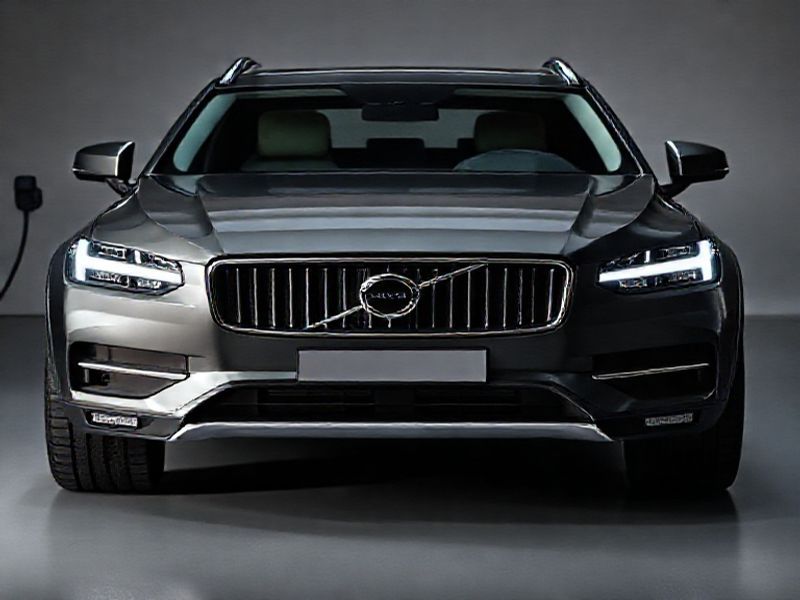
Volvo Recharge Warranty Coverage
Volvo provides competitive warranty terms for its Recharge plug-in hybrids like the 2025 Volvo XC90 Recharge and 2025 Volvo XC60 Recharge:
- Basic Warranty: 4 years/50,000 miles
- High-Voltage Battery: 8 years/100,000 miles
- Charging Equipment: 3 years
- Corrosion: 12 years/unlimited miles
- Complimentary Scheduled Maintenance: 3 years/36,000 miles
Volvo includes three years of complimentary scheduled maintenance covering factory-recommended services. The 2025 Volvo S60 Recharge receives identical coverage, with the included home charging equipment protected separately from the vehicle warranty.
Ford Hybrid and PHEV Warranty
Ford covers its hybrid trucks and SUVs including the 2025 Ford F-150 PowerBoost and 2025 Ford Maverick Hybrid:
- Basic Warranty: 3 years/36,000 miles
- Powertrain: 5 years/60,000 miles
- Hybrid/Electric Components: 8 years/100,000 miles
- Corrosion: 5 years/unlimited miles
- Roadside Assistance: 5 years/60,000 miles
The 2025 Ford Escape Hybrid and other Ford hybrids receive the same coverage. Ford’s hybrid component warranty specifically includes the battery pack, battery pack control module, DC/DC converter, drive motor, generator, and transmission components unique to hybrid models.
Jeep 4xe Warranty Protection
Jeep’s plug-in hybrid models like the 2025 Jeep Wrangler 4xe and 2025 Jeep Grand Cherokee 4xe carry Stellantis warranty terms:
- Basic Warranty: 3 years/36,000 miles
- Powertrain: 5 years/60,000 miles
- PHEV Battery: 10 years/100,000 miles
- Electric Drive Module: 10 years/100,000 miles
- Corrosion: 5 years/unlimited miles
Jeep extended its PHEV component warranty to 10 years/100,000 miles across all 50 states, exceeding federal requirements and matching CARB-state standards nationwide. This coverage protects the high-voltage battery, electric motor, power inverter module, and onboard charger.
What Voids Hybrid Warranties
Understanding warranty exclusions helps prevent inadvertent coverage loss:
Unauthorized modifications: Alterations to hybrid systems, including aftermarket tuning, battery modifications, or non-approved charging equipment, can void related warranty coverage. Installing aftermarket accessories like lift kits on vehicles like the Jeep Wrangler 4xe may void warranties if the modification contributes to component failure.
Neglected maintenance: While manufacturers cannot require dealership service, they can require that maintenance be performed to specifications. Keep all service records—independent shop receipts are acceptable proof of maintenance.
Improper use: Using vehicles beyond their intended purpose (racing, commercial use when sold as consumer vehicles, or off-road use in non-off-road vehicles) can void coverage for resulting damage.
Salvage or flood titles: Vehicles with salvage titles due to accidents or flood damage typically lose warranty coverage, as manufacturers cannot guarantee system integrity after such events.
Extended Warranty Options
When factory warranties expire, extended service contracts can provide continued protection:
Manufacturer Extended Warranties: Toyota’s ToyotaCare Plus, Honda Care, and similar manufacturer-backed extensions provide the most comprehensive coverage and can usually be purchased any time before factory warranty expiration.
Third-Party Warranties: Independent warranty providers offer hybrid-specific coverage, often at lower prices than manufacturer programs. Verify that coverage explicitly includes hybrid battery pack, electric motors, and power electronics before purchasing.
Credit Card Benefits: Some credit cards automatically extend manufacturer warranties by one year for purchases made on the card. Review your card’s benefits—this free coverage can provide meaningful additional protection.
Making Warranty Claims
To ensure smooth warranty service:
Use authorized dealers: While some independent shops can perform warranty work, manufacturer dealers have direct access to warranty systems and typically process claims faster.
Document problems clearly: Describe symptoms precisely and note when issues occur. “The hybrid battery warning light illuminates after 20 minutes of highway driving in cold weather” is more actionable than “sometimes there’s a light.”
Request diagnosis in writing: Get written documentation of technician findings, whether the repair is covered or denied. This documentation is valuable if disputes arise.
Know your rights: The Magnuson-Moss Warranty Act protects consumers from unreasonable warranty denial. If a dealer refuses legitimate warranty coverage, contact the manufacturer’s customer service and, if necessary, your state’s consumer protection office.
Conclusion: Warranties as Ownership Value
Hybrid vehicle warranties provide substantial protection for sophisticated powertrains, with coverage often exceeding that of conventional vehicles. Korean manufacturers like Hyundai and Kia lead the industry with decade-long coverage and lifetime battery protection for original owners. Japanese manufacturers including Toyota and Honda demonstrate exceptional confidence with 10-year/150,000-mile hybrid battery warranties.
When comparing hybrids like the 2025 Toyota RAV4 Hybrid, 2025 Hyundai Tucson Hybrid, and 2025 Honda CR-V Hybrid, consider warranty terms as part of total ownership value. The peace of mind from comprehensive coverage, combined with the proven reliability of modern hybrid systems, makes today’s hybrid vehicles excellent long-term ownership propositions with manufacturer-backed protection against their most expensive components.