Hybrid Cars for Rideshare Drivers: Maximize Your Earnings
Rideshare and delivery drivers depend on their vehicles for income. Choosing the right hybrid maximizes earnings by minimizing fuel costs—often the largest expense after vehicle payments. Here are the best hybrids for rideshare and gig economy drivers.
Top Rideshare Hybrids Comparison
| Vehicle | Combined MPG | Passenger Space |
|---|---|---|
| Toyota Prius | 57 MPG | 4 passengers |
| Toyota Camry Hybrid | 52 MPG | 5 passengers |
| Honda Accord Hybrid | 48 MPG | 5 passengers |
| Toyota Sienna Hybrid | 36 MPG | 7-8 passengers |
| Hyundai Sonata Hybrid | 52 MPG | 5 passengers |
Toyota Prius: Maximum Earnings
The Toyota Prius remains the rideshare gold standard. Its 57 MPG combined efficiency minimizes fuel costs per mile driven. Toyota legendary reliability means minimal downtime for repairs—critical when your vehicle is your income source.
Many Prius taxis have exceeded 300,000 miles with original hybrid batteries, demonstrating exceptional durability for high-mileage applications.
Toyota Camry Hybrid: Passenger Comfort
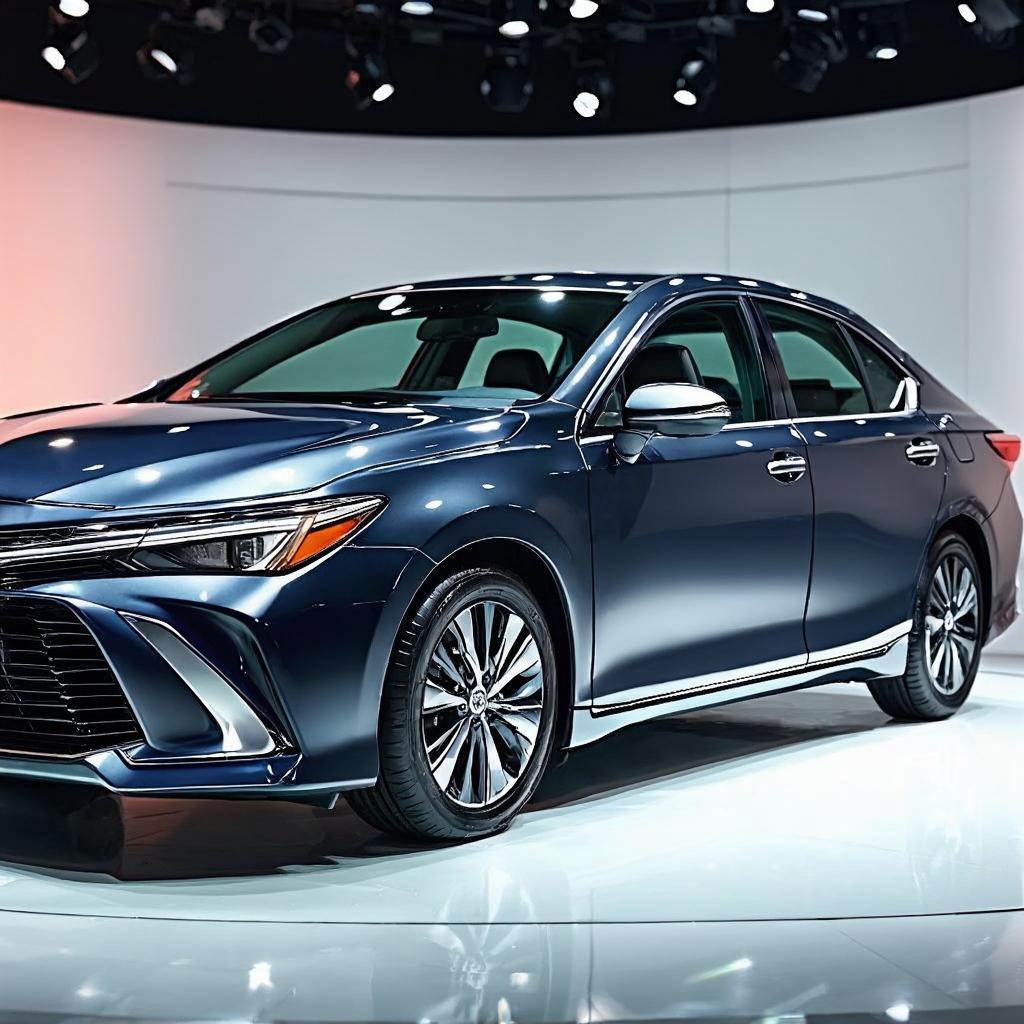
The Toyota Camry Hybrid offers more passenger space than the Prius while maintaining 52 MPG efficiency. Rear seat comfort improves rider ratings, potentially increasing tips and repeat customers.
Toyota Sienna: XL Rideshare
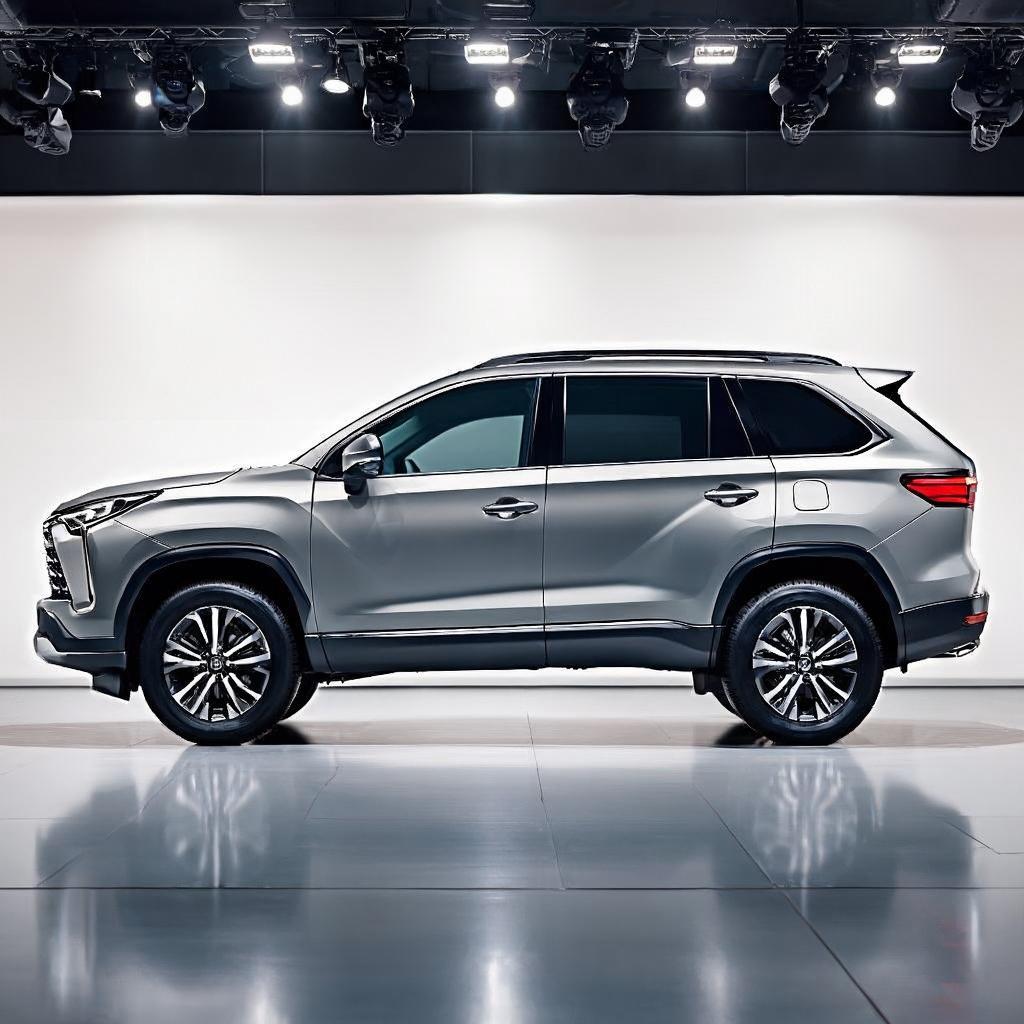
For Uber XL and larger party requests, the Toyota Sienna Hybrid delivers 36 MPG with seven to eight passenger capacity. No other XL-capable vehicle approaches this efficiency.
Earnings Impact Calculator
Driving 40,000 miles annually at $3.50/gallon:
- 30 MPG vehicle: $4,667 annual fuel cost
- 57 MPG Prius: $2,456 annual fuel cost
- Annual savings: $2,211
This savings goes directly to your bottom line—effectively increasing your hourly rate.
Features Rideshare Drivers Need
- Comfortable rear seats: Improves passenger ratings
- USB charging ports: Passengers expect device charging
- Quiet cabin: Enhances passenger experience
- Ample trunk space: Accommodates luggage for airport runs
- Reliability: Downtime costs money
Maintenance Considerations
High-mileage rideshare driving requires durable vehicles. Toyota hybrids excel here:
- Regenerative braking extends brake pad life
- Hybrid transmissions have fewer moving parts
- Toyota hybrid systems proven at 200,000+ miles
- Lower maintenance costs protect profit margins
Tax Deductions for Rideshare
Rideshare drivers can deduct vehicle expenses:
- Standard mileage rate: 67 cents per mile (2025)
- Or actual expenses: fuel, maintenance, depreciation
- Keep detailed records for tax purposes
The Bottom Line
For rideshare and delivery drivers, hybrid vehicles directly increase earnings. The Toyota Prius maximizes efficiency for solo passengers, while the Camry Hybrid offers comfort improvements. Consider your typical ride types when choosing, but any hybrid will significantly reduce your largest operating expense.