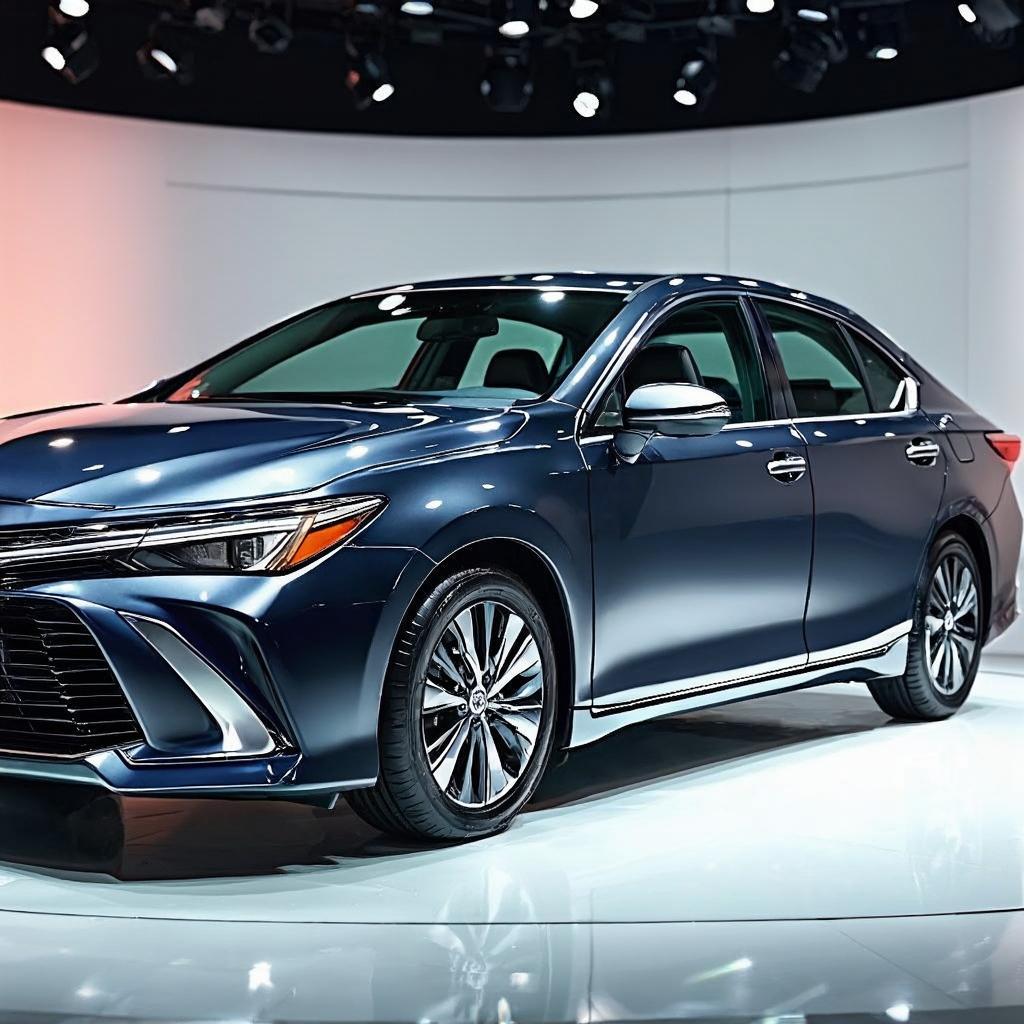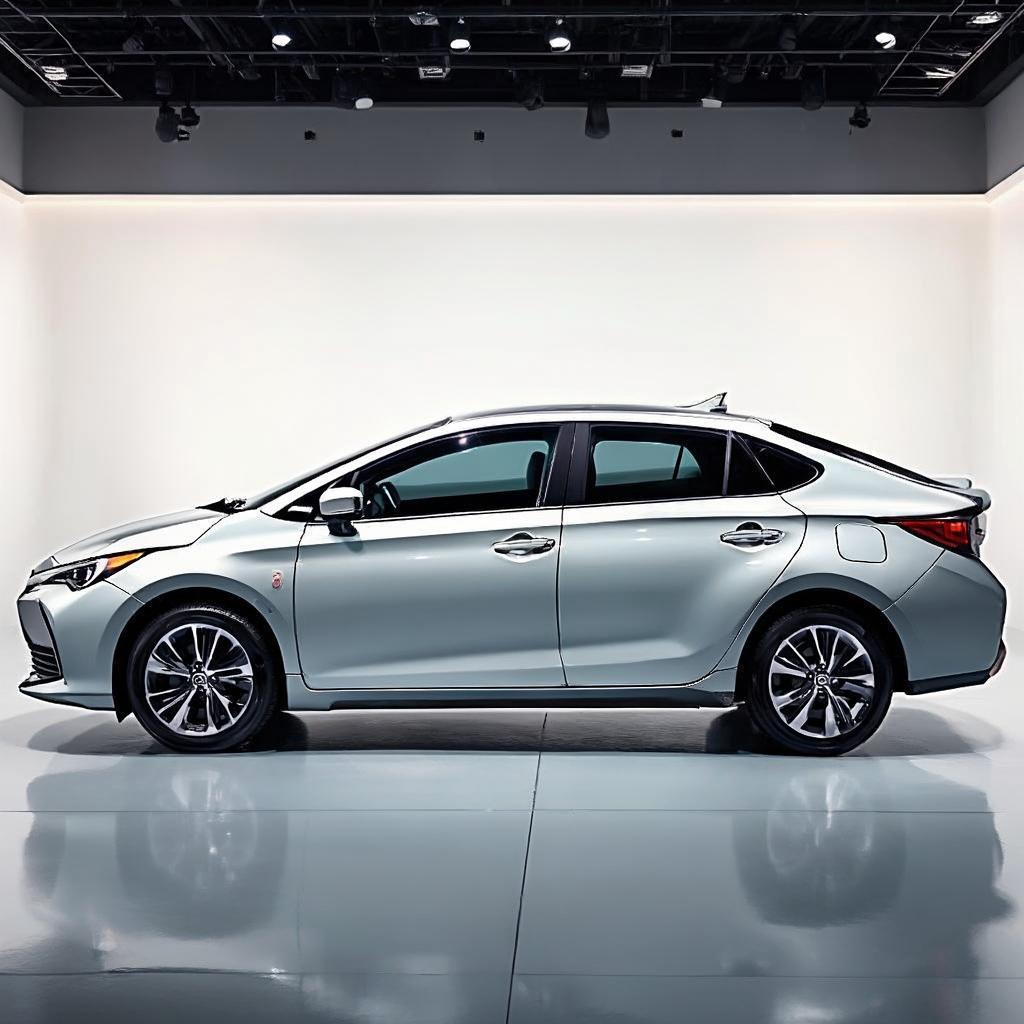
German Luxury Plug-In Hybrids: BMW, Porsche, and Mercedes Compared
German Engineering Meets Electrification
Germany’s premium automakers have embraced plug-in hybrid technology with characteristic thoroughness. BMW, Mercedes-Benz, and Porsche now offer sophisticated PHEVs that combine legendary performance with meaningful electric capability. These vehicles represent electrification for buyers who refuse to compromise on driving dynamics or luxury.
Having spent considerable time with the BMW X5 xDrive50e, Porsche Cayenne E-Hybrid, and Mercedes-Benz GLE 350e, I can attest that German engineering translates beautifully to hybrid powertrains. These vehicles offer experiences that transcend simple efficiency improvements.
BMW X5 xDrive50e: The Complete Package
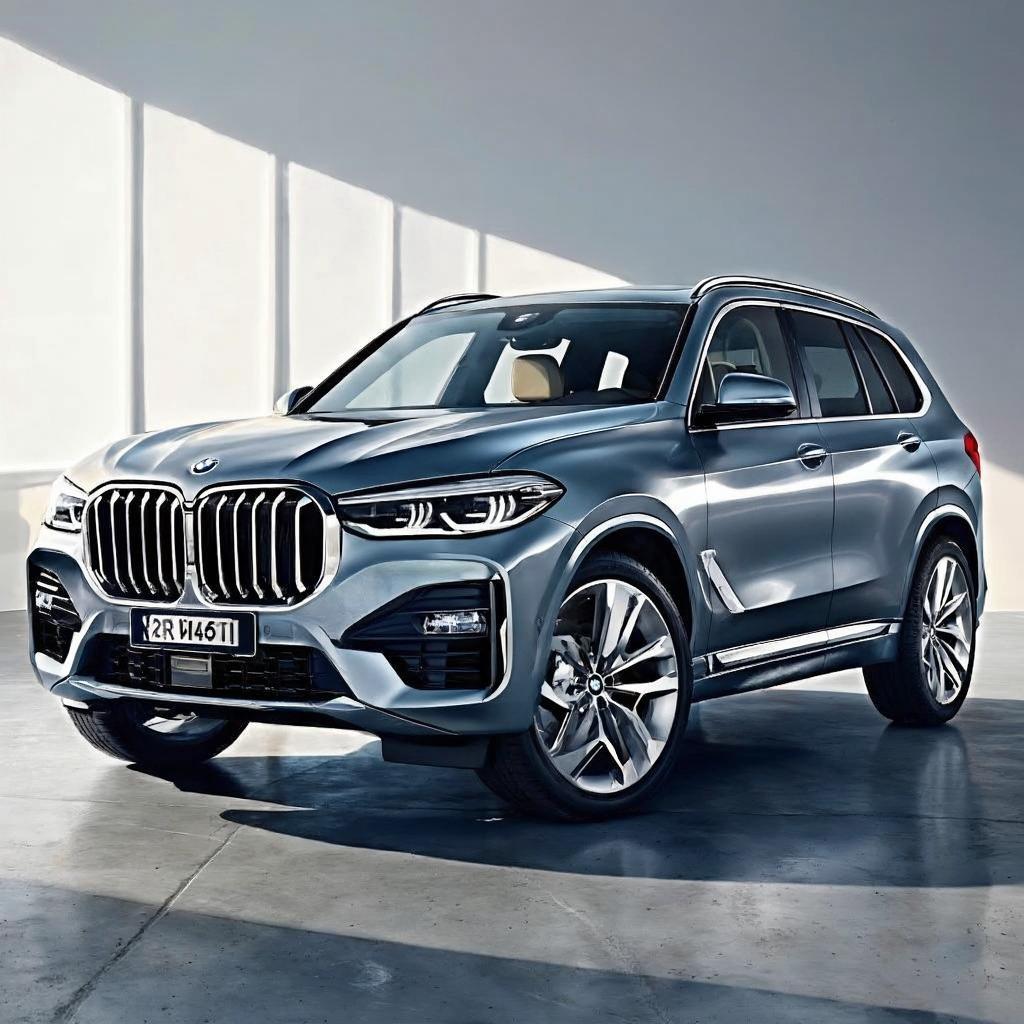
The BMW X5 xDrive50e represents BMW’s most accomplished plug-in hybrid SUV. Its combination of performance, efficiency, and luxury creates a compelling value proposition despite premium pricing.
X5 xDrive50e Specifications
| Specification | Value |
|---|---|
| Combined Horsepower | 483 hp |
| Combined Torque | 516 lb-ft |
| Electric Range | 31 miles |
| 0-60 mph | 4.6 seconds |
| Battery Capacity | 25.7 kWh |
| DC Fast Charging | Available |
| Combined MPGe | 50 |
The BMW Driving Experience
What distinguishes the X5 xDrive50e goes beyond specifications. BMW’s chassis tuning delivers a driving experience that feels athletic despite the vehicle’s substantial weight. The steering communicates road texture, the suspension balances comfort with control, and the powertrain responds eagerly to driver inputs.
Electric mode enables silent cruising at highway speeds up to 84 mph. The instant torque of the electric motor makes around-town driving effortless, while combined power provides genuinely thrilling acceleration when requested.
Interior Excellence
- Premium materials: Leather, wood, and aluminum throughout
- iDrive 8: BMW’s latest infotainment system
- Curved display: 12.3-inch digital cluster with 14.9-inch touchscreen
- Ambient lighting: Customizable cabin illumination
- Harman Kardon audio: Premium sound system standard
- Heated surfaces: Seats, steering wheel, and armrests
Porsche Cayenne E-Hybrid: Performance Priority
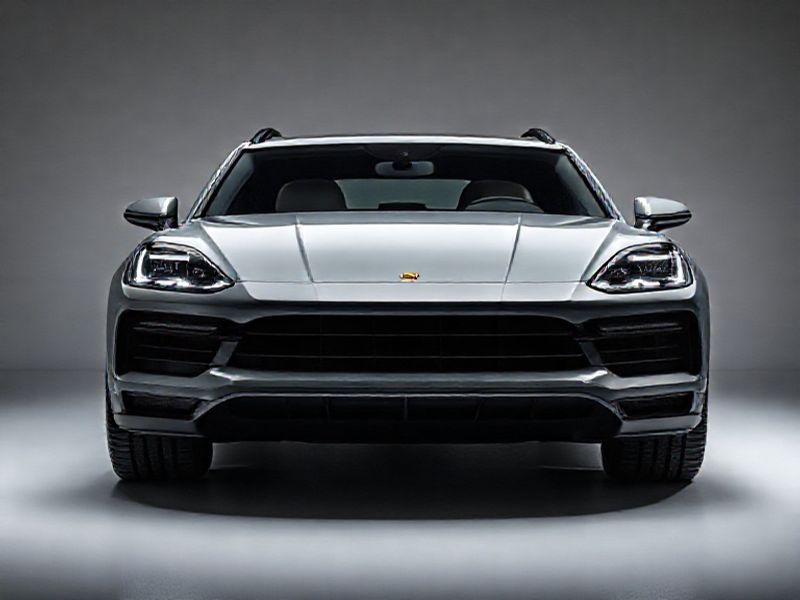
The Porsche Cayenne E-Hybrid approaches electrification from a performance perspective. Porsche engineering prioritizes driving dynamics while incorporating meaningful electric capability.
Cayenne E-Hybrid Specifications
| Specification | Value |
|---|---|
| Combined Horsepower | 462 hp |
| Combined Torque | 516 lb-ft |
| Electric Range | 25 miles |
| 0-60 mph | 4.7 seconds |
| Top Speed | 157 mph |
| Battery Capacity | 17.9 kWh |
Porsche Driving Dynamics
The Cayenne E-Hybrid handles unlike any other SUV this size. Porsche’s extensive motorsport experience informs every chassis decision:
- Air suspension: Adaptive damping adjusts continuously
- Rear-axle steering: Available for improved agility
- Torque vectoring: Precise power distribution to each wheel
- Sport Chrono package: Performance-enhancing drive modes
- Carbon ceramic brakes: Optional for fade-free stopping
On mountain roads, the Cayenne E-Hybrid inspires confidence beyond reason. Its weight seemingly disappears as the chassis responds to steering inputs with sports car precision.
Mercedes-Benz GLE 350e: Luxury Focus
The Mercedes-Benz GLE 350e emphasizes refinement and technology. Mercedes approaches electrification as an opportunity to enhance comfort while improving efficiency.
GLE 350e Specifications
| Specification | Value |
|---|---|
| Combined Horsepower | 381 hp |
| Combined Torque | 479 lb-ft |
| Electric Range | 28 miles |
| 0-60 mph | 5.6 seconds |
| Battery Capacity | 25.4 kWh |
| Combined MPGe | 56 |
Mercedes Luxury Appointments
- MBUX infotainment: Voice-activated natural language processing
- Augmented reality navigation: Real-world overlay directions
- Energizing Comfort: Wellness programs integrating climate, massage, lighting
- E-Active Body Control: Available air suspension with curve leaning
- Burmester audio: Available premium sound system
- Executive rear seating: Available reclining second row
Comparing German Premium PHEVs
| Attribute | BMW X5 | Porsche Cayenne | Mercedes GLE |
|---|---|---|---|
| Starting MSRP | ~$69,000 | ~$89,000 | ~$71,000 |
| Horsepower | 483 | 462 | 381 |
| Electric Range | 31 miles | 25 miles | 28 miles |
| 0-60 mph | 4.6 sec | 4.7 sec | 5.6 sec |
| Cargo Space | 33.9 cu ft | 27.2 cu ft | 33.3 cu ft |
| Focus | Balance | Performance | Luxury |
Other German Hybrid Options
BMW Sedan PHEVs
BMW offers plug-in hybrid variants across their sedan lineup:
The BMW 330e brings PHEV capability to the compact executive sedan segment. Its 22-mile electric range handles urban commuting while maintaining the 3 Series driving experience that defines the segment.
The BMW 530e extends similar capability to the mid-size sedan category. Additional space and luxury features complement the efficient hybrid powertrain.
Volvo Swedish Luxury
While not German, Volvo’s Swedish approach to luxury PHEVs deserves mention:
The Volvo XC90 Recharge offers 32 miles of electric range with 455 combined horsepower in a three-row SUV. Volvo’s Scandinavian design philosophy creates serene, uncluttered interiors.
The XC60 Recharge brings similar technology to the more maneuverable two-row format.
Technology Integration
German PHEVs showcase sophisticated technology integration:
Predictive Energy Management
These vehicles use navigation data to optimize battery usage. When the system knows you are approaching your destination, it may preserve battery charge for final electric-only arrival. Mountain driving triggers battery charging on descents for climbing power afterward.
Regenerative Braking Calibration
Driver-selectable regeneration levels allow customization. Aggressive settings maximize energy recovery while gentler settings provide more natural coasting behavior.
Charging Infrastructure Integration
Navigation systems integrate real-time charging station data, showing availability and reservation capability. Some models can pre-condition batteries for optimal charging speed when approaching fast chargers.
The Case for Premium PHEVs
Why choose a German luxury PHEV over mainstream alternatives or full EVs?
Advantages
- No range anxiety: Gasoline backup eliminates charging concerns
- Electric commuting: Daily driving often covered by electric range
- Premium experience: Luxury features justify higher pricing
- Performance: Combined power exceeds conventional equivalents
- Resale value: German luxury brands maintain strong values
Considerations
- Higher initial cost: Premium pricing requires significant investment
- Maintenance costs: Servicing German vehicles costs more
- Complexity: Two powertrains mean more potential issues
- Weight: Batteries add substantial mass
Choosing Your German PHEV
Choose the BMW X5 xDrive50e if: You want the best balance of performance, efficiency, and practicality with excellent driving dynamics.
Choose the Porsche Cayenne E-Hybrid if: Driving performance matters most and you appreciate motorsport-derived engineering.
Choose the Mercedes GLE 350e if: Technology innovation and comfort are your priorities over outright performance.
The Future of German Electrification
German manufacturers continue expanding their electrified offerings. While fully electric models gain importance, plug-in hybrids remain relevant for buyers wanting electric capability without infrastructure dependency. The engineering excellence these brands bring to PHEV development ensures compelling products that honor driving enthusiast traditions while embracing environmental responsibility.
Explore our complete coverage of these German luxury hybrids to discover which matches your priorities and lifestyle.