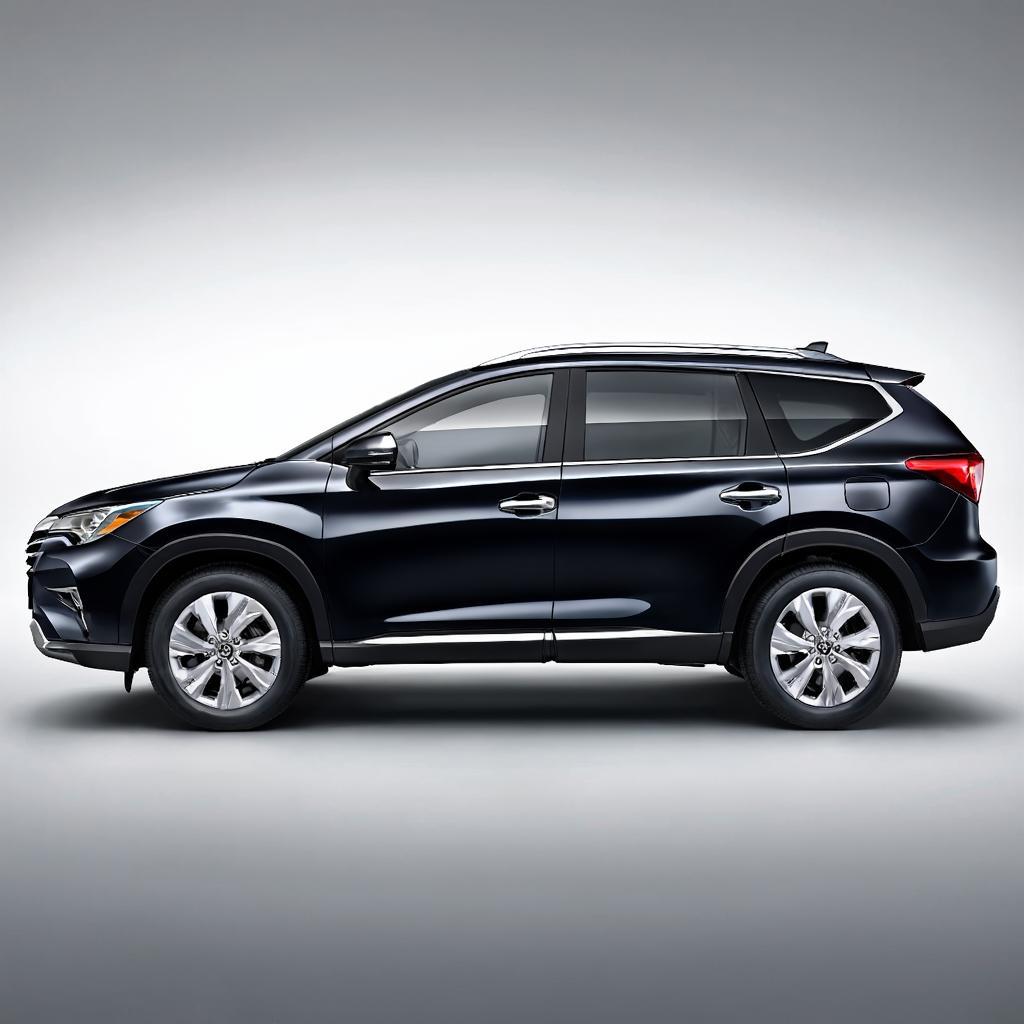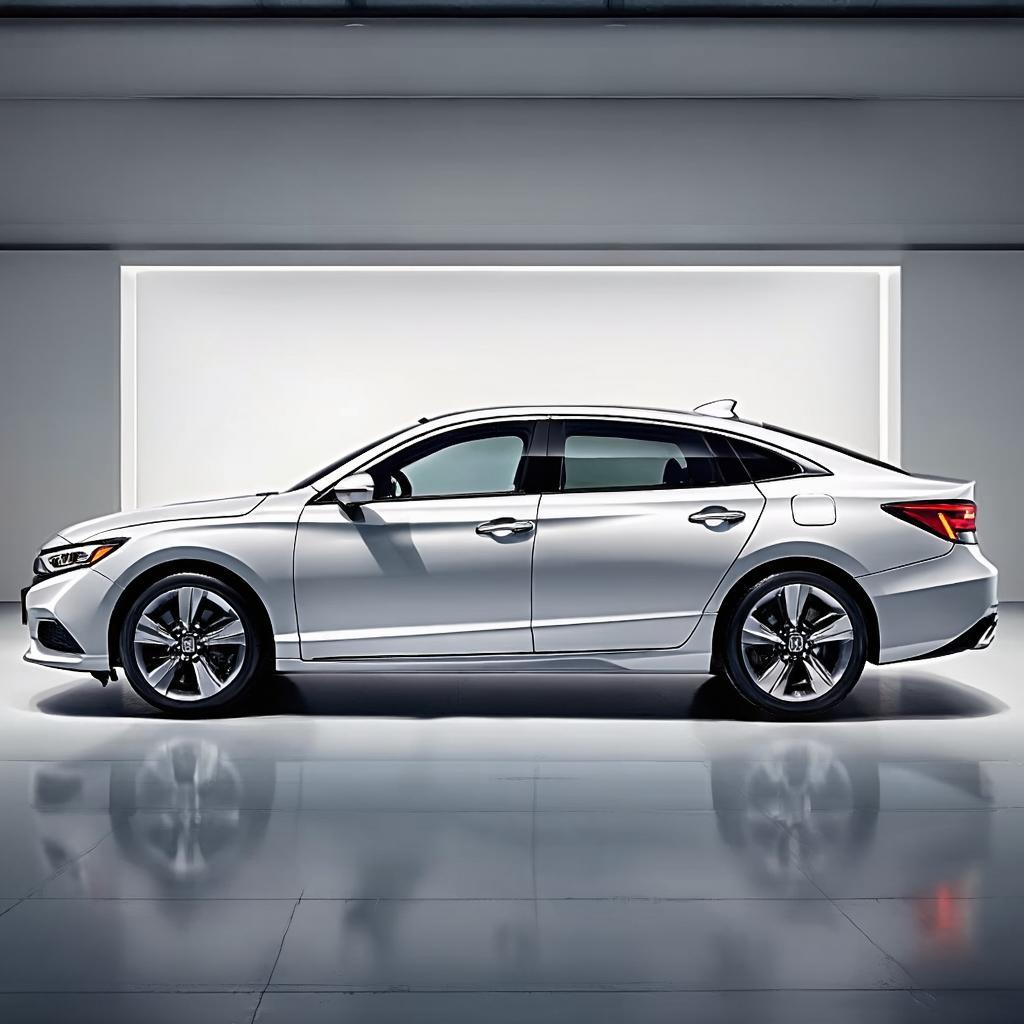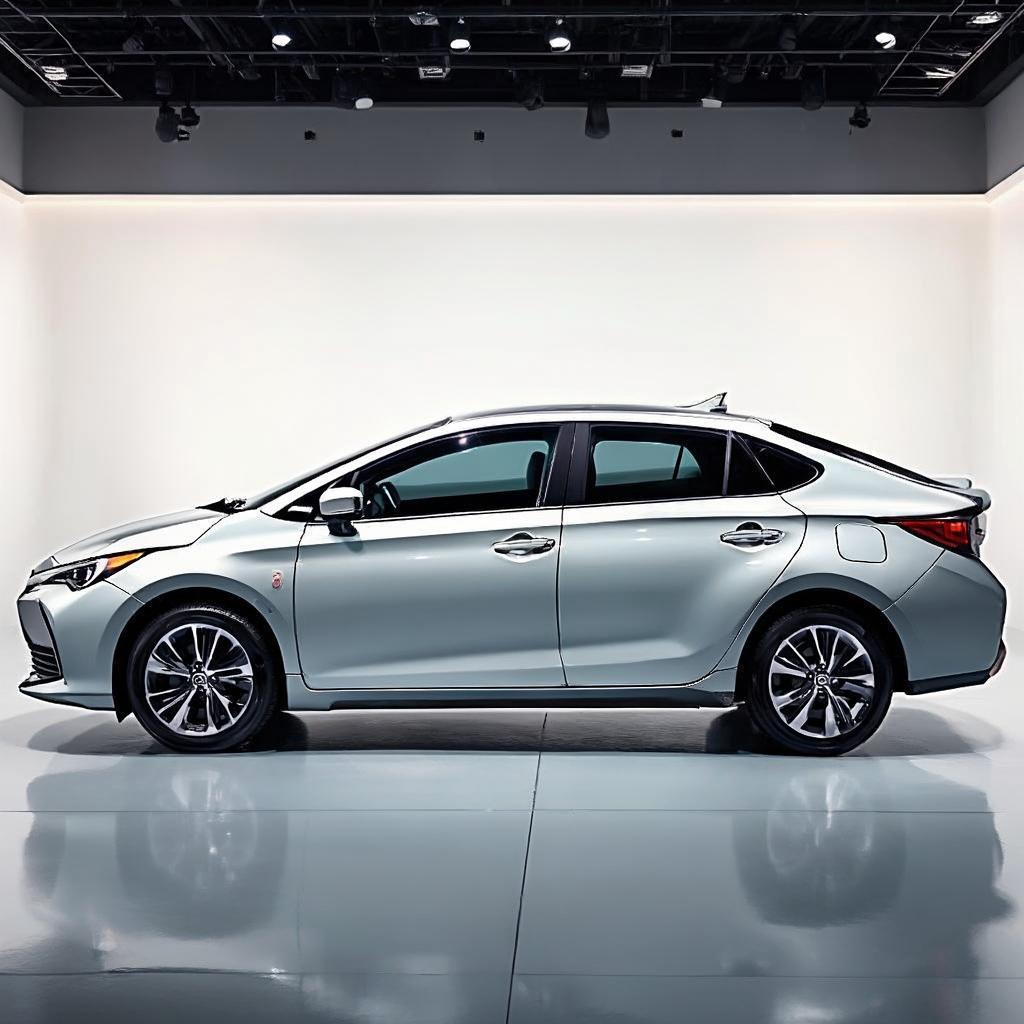
Best Plug-In Hybrid SUVs for 2025: PHEV Buyer’s Guide
The Best Plug-In Hybrid SUVs Available Today: Comprehensive Reviews and Buying Guide
Plug-in hybrid SUVs offer a compelling combination of electric driving capability and traditional range flexibility. These vehicles can handle daily commutes on pure electric power while providing the security of a gasoline engine for longer trips. This guide examines the best plug-in hybrid SUVs available in 2025 and helps you choose the right one for your needs.
Understanding Plug-In Hybrid Advantages
Plug-in hybrids differ from standard hybrids in their ability to charge from external sources and drive meaningful distances on electricity alone. While a conventional hybrid might travel a mile or two on electric power, plug-in hybrids typically offer 25 to 50 miles of electric range.
For many drivers, this electric range covers their entire daily commute. Charging overnight at home allows them to drive to work and back without using any gasoline. The gasoline engine sits ready for longer trips or when charging is inconvenient, eliminating range anxiety entirely.
The fuel savings can be substantial. Drivers with short commutes who charge regularly might reduce their gasoline consumption by 70 to 90 percent compared to conventional vehicles. Even with longer commutes or occasional long trips, overall fuel usage typically drops by 40 to 60 percent.
Toyota RAV4 Prime: The Efficiency Leader
The RAV4 Prime stands as one of the most compelling plug-in hybrids available. With 42 miles of EPA-rated electric range and outstanding hybrid efficiency when the battery depletes, this SUV maximizes efficiency without compromises.
Total system power reaches 302 horsepower, making the Prime quicker than any other RAV4 variant. Acceleration to 60 miles per hour takes just 5.7 seconds, sports car territory for an efficient family SUV. This performance comes from the combined output of the engine and two powerful electric motors.
When driving on gasoline, the RAV4 Prime achieves 38 miles per gallon, exceptional for any SUV and remarkable for one this quick. The plug-in system transitions seamlessly between electric and hybrid modes without driver intervention.
Pricing starts around $43,000 and can exceed $50,000 with popular options. Federal tax credits up to $7,500 significantly reduce the effective price for qualifying buyers. Strong demand has made the Prime difficult to find at times, so plan ahead if this vehicle interests you.
Mitsubishi Outlander PHEV: Value Champion
Mitsubishi offers one of the most affordable plug-in hybrid SUVs with the Outlander PHEV. This vehicle provides three-row seating capability in a plug-in package at competitive prices.
Electric range reaches 38 miles on a full charge, adequate for typical commutes. Total system power of 248 horsepower provides adequate acceleration for daily driving. The twin-motor all-wheel-drive system enhances traction in slippery conditions.
The Outlander’s third row accommodates children or small adults for occasional use. This capability is rare in the plug-in segment, where most options are limited to two rows. Families needing occasional extra seating will appreciate this flexibility.
Pricing under $42,000 for well-equipped models makes the Outlander PHEV accessible to more buyers. Mitsubishi’s 10-year, 100,000-mile powertrain warranty adds significant value and peace of mind.
Hyundai Tucson PHEV: Feature-Rich Package
Hyundai’s Tucson PHEV combines generous standard features with solid plug-in performance. The distinctive styling and high-quality interior make this vehicle feel more expensive than its price suggests.
Electric range of 33 miles handles typical commutes on battery power. The 261 horsepower total output provides responsive acceleration when needed. Standard all-wheel drive enhances capability in all weather conditions.
Interior technology includes a large digital display combining the instrument cluster and infotainment screen. Wireless Apple CarPlay and Android Auto come standard, along with a comprehensive suite of driver assistance features.
Pricing starts around $40,000 with excellent standard equipment. Higher trim levels add premium features like ventilated seats and a premium audio system. The Tucson PHEV represents strong value in this competitive segment.
Ford Escape PHEV: Practical American Option
Ford’s Escape plug-in hybrid brings familiar American brand appeal to the PHEV segment. The Escape’s practical design and spacious interior suit family needs well.
Electric range of 37 miles covers daily commuting for most drivers. The 221 horsepower powertrain provides adequate performance for daily driving, though acceleration feels modest compared to sportier competitors.
Interior space impresses with a sliding rear seat that allows owners to adjust the balance between passenger legroom and cargo capacity. This flexibility proves useful for adapting to different loads and passengers.
Pricing around $40,000 positions the Escape PHEV competitively. Ford’s extensive dealer network ensures convenient service access throughout the country.
Jeep Wrangler 4xe: Unique Off-Road Capability
For buyers wanting serious off-road capability with plug-in efficiency, the Wrangler 4xe stands alone. This vehicle combines Jeep’s legendary trail capability with electric torque and silent operation.
Electric range of 21 miles is modest but sufficient for short electric trips. More importantly, electric torque dramatically improves low-speed off-road performance. The instant response helps navigate obstacles with precise control.
Silent operation when rock crawling or exploring trails minimizes noise impact on nature. Environmental-conscious off-road enthusiasts appreciate this capability to enjoy wilderness areas without engine noise.
The Wrangler 4xe maintains all the capability features of conventional Wranglers, including removable doors and roof, fold-down windshield, and exceptional ground clearance. Starting around $55,000, it commands a premium but offers truly unique capability.
Lexus NX 450h+: Luxury Meets Efficiency
Lexus brings luxury refinement to the plug-in segment with the NX 450h+. This premium compact SUV combines electric capability with the quality and comfort expected from Toyota’s luxury division.
Electric range reaches 37 miles, competitive with mainstream alternatives. Total system power of 304 horsepower provides confident performance. All-wheel drive comes standard with torque distribution between front and rear motors.
Interior quality meets Lexus standards with premium materials and careful attention to detail. The latest infotainment system addresses previous criticism of Lexus interfaces with a more responsive, intuitive design.
Pricing starts around $58,000 for the plug-in model, a significant premium over the standard hybrid. Buyers prioritizing luxury and willing to invest in premium quality will find the NX 450h+ compelling.
Kia Sorento PHEV: Three-Row Practicality
The Sorento PHEV offers three-row seating with plug-in capability, a rare combination that suits larger families well.
Electric range of 32 miles handles daily commutes effectively. Total system power of 261 horsepower moves this larger SUV adequately. Front-wheel drive is standard, which limits capability in slippery conditions compared to all-wheel-drive competitors.
Third-row seating expands passenger capacity for occasional use. While best suited for children, the additional seating provides flexibility that two-row alternatives cannot match.
Pricing under $50,000 for well-equipped models represents reasonable value for a three-row plug-in. Kia’s excellent warranty coverage adds confidence for long-term ownership.
Charging Considerations
Plug-in hybrid ownership requires attention to charging that standard hybrids do not. Home charging capability dramatically affects the ownership experience and the fuel savings you can achieve.
Level 1 charging from a standard outlet adds about 4 miles of range per hour. For a vehicle with 35 miles of electric range, this means roughly 9 hours to fully charge from empty. Overnight charging works well for most situations.
Level 2 charging at 240 volts reduces charging time to 2 to 4 hours for most plug-in hybrids. Installing a Level 2 charger costs $500 to $1,500 depending on electrical capacity and installation complexity.
Drivers without home charging capability can still benefit from plug-in hybrids if workplace charging is available. However, relying solely on public charging reduces convenience and may eliminate the cost advantage over standard hybrids.
Tax Credits and Incentives
Federal tax credits up to $7,500 are available for qualifying plug-in hybrid purchases. The exact credit amount depends on battery capacity and manufacturer sales volume. Check current IRS guidance for specific vehicles and your eligibility.
State incentives add additional savings in many areas. California, Colorado, New York, and other states offer rebates or tax credits for plug-in vehicle purchases. Local utility programs may provide additional benefits.
These incentives can reduce effective purchase prices substantially, sometimes making plug-in hybrids cost less than conventional alternatives after credits. Factor incentives into your purchase decision, but verify current availability before finalizing plans.
Making Your Selection
The best plug-in hybrid SUV for you depends on your driving patterns, charging availability, and priority features.
If electric range is paramount, the RAV4 Prime’s 42 miles leads the segment. For value-conscious buyers, the Outlander PHEV or Tucson PHEV offer strong equipment at competitive prices. Families needing three rows should consider the Outlander or Sorento.
Off-road enthusiasts have only one real choice in the Wrangler 4xe, which offers capability no other plug-in can match. Luxury seekers will appreciate the Lexus NX 450h+’s refinement and quality.
Test drive multiple options to compare the subjective qualities that specifications cannot capture. The charging commitment required for plug-in ownership makes this decision more significant than choosing between conventional vehicles.