Plug-In Hybrids Explained: Complete Buyer’s Guide to PHEV Technology
Understanding Plug-In Hybrid Electric Vehicles
Plug-in hybrid electric vehicles represent a compelling middle ground between conventional hybrids and fully electric cars. They offer the best of both worlds: electric-only driving for daily commutes and extended range through gasoline power for longer journeys. But are they right for your lifestyle?
After spending considerable time with multiple plug-in hybrids including the Toyota Prius Prime, Hyundai Santa Fe PHEV, and BMW X5 xDrive50e, I have developed a nuanced understanding of when these vehicles excel and when other options might serve you better.
How Plug-In Hybrids Work
Like standard hybrids, plug-in hybrids combine gasoline engines with electric motors and batteries. The crucial difference lies in battery capacity. While conventional hybrids use small batteries primarily for efficiency assistance, PHEVs carry substantially larger batteries enabling meaningful electric-only driving.
Key Components
- Large battery pack: Typically 10-25 kWh, enabling 20-50+ miles of electric range
- Charging capability: Level 1 (120V) and Level 2 (240V) charging ports
- Electric motor(s): Powerful enough for highway-speed electric driving
- Gasoline engine: Provides extended range and power for high-demand situations
- Regenerative braking: Recovers energy during deceleration
Electric Range Comparison: Premium PHEVs
Electric range varies dramatically across the plug-in hybrid market. Premium vehicles typically offer more electric capability:
| Vehicle | Electric Range | Battery Size | Electric Horsepower |
|---|---|---|---|
| BMW X5 xDrive50e | 31 miles | 25.7 kWh | 194 hp |
| Porsche Cayenne E-Hybrid | 25 miles | 17.9 kWh | 174 hp |
| Volvo XC90 Recharge | 32 miles | 18.8 kWh | 143 hp |
| Mercedes-Benz GLE 350e | 28 miles | 25.4 kWh | 134 hp |
| Lincoln Aviator Grand Touring | 25 miles | 13.6 kWh | 100 hp |
Mainstream Plug-In Hybrid Options
Mainstream manufacturers offer compelling plug-in hybrid options at lower price points:
Toyota Prius Prime
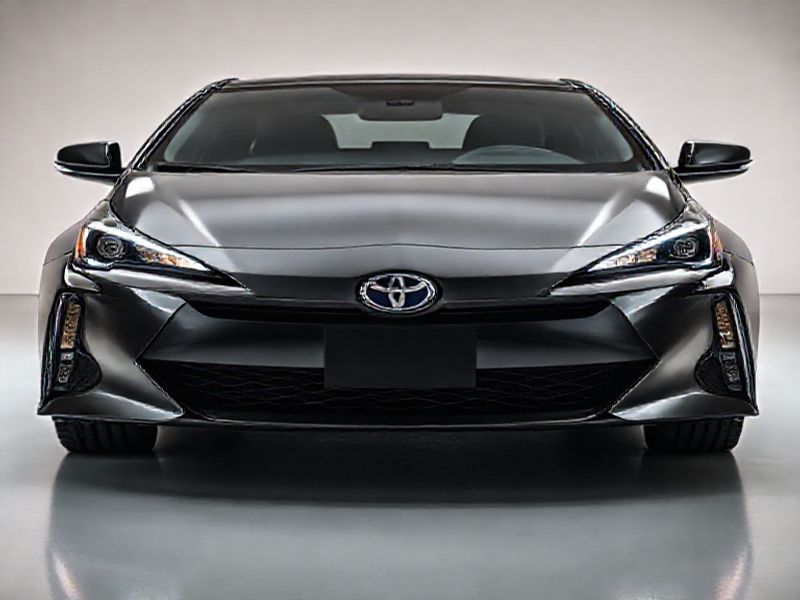
The Prius Prime delivers 44 miles of electric range, among the highest in its price class. This range covers most daily commuting needs, allowing owners to drive primarily on electricity while having gasoline range for longer trips.
Hyundai and Kia PHEVs
The Hyundai Tucson PHEV and Kia Sportage PHEV offer approximately 33 miles of electric range in practical compact SUV packages. Their competitive pricing and feature content make them attractive alternatives to premium offerings.
Ford Escape Plug-In Hybrid
The Ford Escape PHEV provides 37 miles of electric range, combining American brand familiarity with substantial electric capability.
The Case For Plug-In Hybrids
Certain situations make PHEVs particularly attractive:
Short Commutes, Occasional Long Trips
If your daily driving falls within electric range but you occasionally need long-distance capability, PHEVs offer an ideal solution. You might drive weeks on electricity alone, then seamlessly switch to gasoline for road trips without range anxiety or charging stop planning.
Limited Home Charging Access
Apartment dwellers or those without dedicated parking sometimes struggle with EV charging. PHEVs provide electric driving benefits when charging is available while ensuring you are never stranded if charging access proves difficult.
Tax Incentive Eligibility
Many plug-in hybrids qualify for federal and state tax incentives, potentially reducing purchase costs by thousands of dollars. These incentives can make PHEVs financially competitive with conventional vehicles.
Transition to Electrification
For buyers uncertain about committing to full electric vehicles, PHEVs offer a gentle introduction. You can experience electric driving benefits while retaining familiar gasoline backup.
Potential Drawbacks to Consider
Plug-in hybrids are not perfect solutions for everyone:
Complexity
PHEVs combine two complete powertrains, increasing potential maintenance points. While reliability data remains generally positive, the added complexity represents a theoretical concern for long-term ownership.
Weight Penalty
Large batteries add significant weight. The BMW X5 xDrive50e, for example, weighs nearly 600 pounds more than the conventional X5. This weight impacts handling dynamics and reduces cargo capacity.
Reduced Cargo Space
Battery placement often compromises storage. Many PHEVs sacrifice spare tires for tire repair kits, and trunk space frequently suffers compared to conventional equivalents.
Higher Initial Cost
PHEV technology commands premium pricing, typically $5,000-$10,000 above comparable conventional or standard hybrid models. Tax incentives may offset this premium, but not all buyers qualify.
Charging Realities
Understanding PHEV charging is essential for maximizing benefits:
Home Charging Options
| Charging Level | Voltage | Typical Charge Time | Installation Cost |
|---|---|---|---|
| Level 1 (included) | 120V | 8-12 hours | $0 (standard outlet) |
| Level 2 (recommended) | 240V | 2-4 hours | $500-1,500 |
Most PHEV owners find Level 1 charging sufficient for overnight replenishment. However, Level 2 charging proves valuable if you need midday recharging or have limited overnight hours available.
Public Charging Strategy
Unlike full EVs, PHEVs do not require public charging infrastructure for daily operation. However, workplace charging stations and shopping center chargers can extend your electric driving significantly by topping up during the day.
Real-World Fuel Economy Expectations
PHEV fuel economy ratings require context understanding:
The EPA Rating System
PHEVs receive two ratings: MPGe for electric operation and MPG for hybrid mode. Real-world results depend heavily on how frequently you charge:
- Daily charging: May drive weeks between gas station visits
- Occasional charging: Fuel economy similar to conventional hybrids
- Never charging: Fuel economy often worse than standard hybrids due to battery weight
The Importance of Charging Discipline
PHEVs deliver maximum benefit only when charged regularly. Owners who treat them like conventional vehicles miss the primary value proposition. If you cannot commit to regular charging, a standard hybrid may prove more practical and economical.
Jeep 4xe: Off-Road Goes Electric
Jeep proves plug-in hybrid technology works for serious off-roading:
Wrangler 4xe
The Jeep Wrangler 4xe offers 21 miles of electric range with full Rubicon trail capability. Electric torque actually enhances rock-crawling ability, providing instant response for precise throttle control on technical terrain.
Grand Cherokee 4xe
The Grand Cherokee 4xe brings similar benefits to the luxury midsize SUV segment. Its 25-mile electric range handles urban commuting while 375 combined horsepower ensures strong performance.
Best Plug-In Hybrids by Category
Best for efficiency: Toyota Prius Prime – 44 miles electric range, 52 MPG hybrid mode
Best for luxury: BMW X5 xDrive50e – Premium features, 31 miles electric range
Best for value: Hyundai Tucson PHEV – Competitive pricing, comprehensive features
Best for off-road: Jeep Wrangler 4xe – Trail-rated capability with electric benefits
Best for families: Volvo XC90 Recharge – Three rows, excellent safety, refined experience
The Verdict: Right Choice for the Right Buyer
Plug-in hybrids make excellent sense for specific use cases. Short-commute drivers with reliable home charging access can potentially eliminate most gasoline usage while retaining worry-free long-distance capability. The technology also appeals to those transitioning gradually from conventional vehicles toward electrification.
However, PHEVs require commitment to regular charging. Without that discipline, you are carrying extra weight and complexity without reaping the benefits. If charging access proves unreliable, consider whether a standard hybrid might better suit your needs.
Evaluate your driving patterns honestly. If electric range covers 80% or more of your daily driving and you can charge consistently, a PHEV may significantly reduce your fuel costs and environmental impact while providing peace of mind for those longer journeys.