Parallel vs Series vs Series-Parallel: Types of Hybrid Systems
Understanding Hybrid Architectures: Parallel, Series, and Series-Parallel Systems Explained
Not all hybrid systems work the same way. Different manufacturers have developed distinct approaches to combining gasoline engines with electric motors, each with unique characteristics and advantages. Understanding these hybrid architectures helps you appreciate the engineering behind various vehicles and make more informed purchase decisions.
The Fundamental Challenge
Hybrid engineers face the task of combining two power sources efficiently. The gasoline engine and electric motor each have strengths and weaknesses, and the hybrid architecture determines how these sources work together.
Gasoline engines work most efficiently at moderate, steady loads. They waste energy during low-speed, light-load operation and during frequent acceleration from stops.
Electric motors deliver maximum torque instantly from zero speed. They excel at low-speed operation and acceleration but require heavy, expensive batteries for sustained high-power operation.
Different hybrid architectures optimize the interaction between these power sources for various priorities including efficiency, performance, cost, and simplicity.
Parallel Hybrid Systems
In a parallel hybrid, both the engine and the electric motor can drive the wheels directly. They work in parallel, able to contribute power simultaneously or operate independently as conditions warrant.
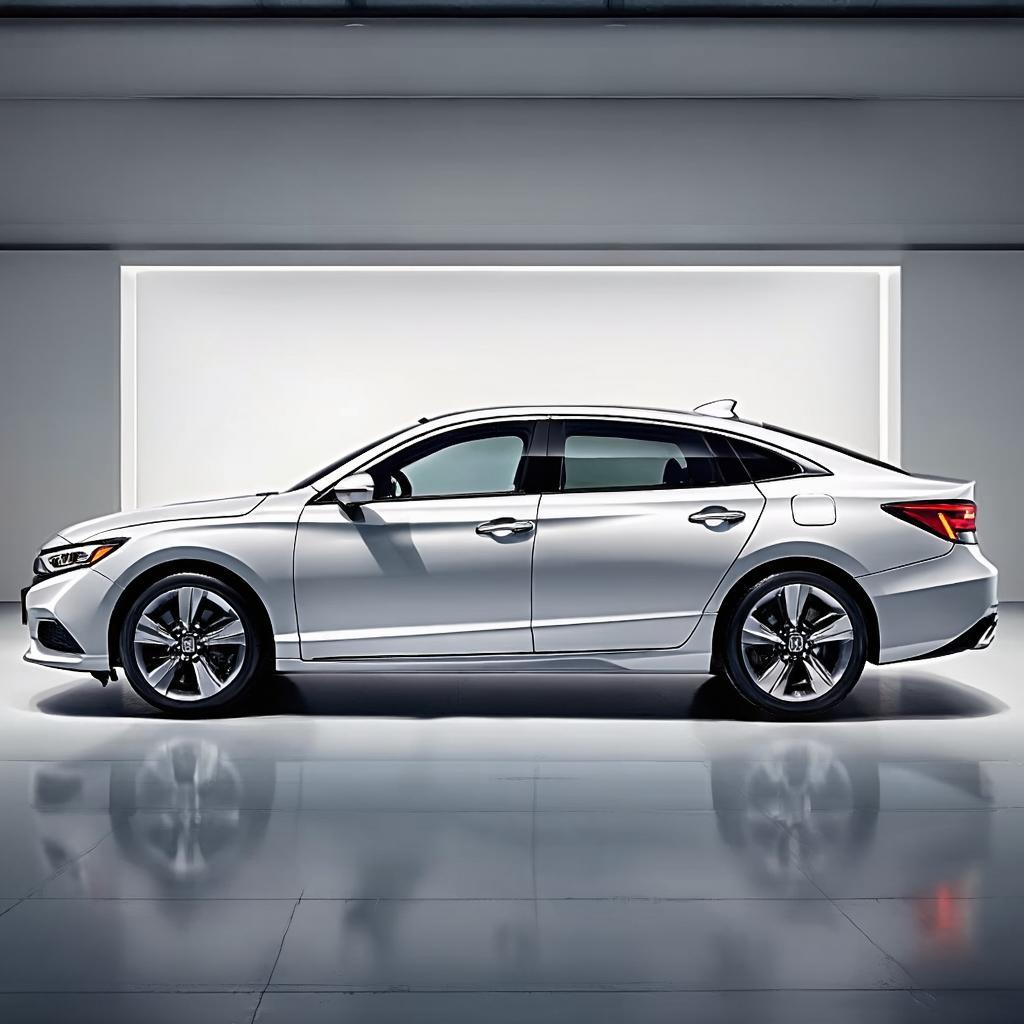
The simplest parallel hybrids use the motor mainly to assist the engine during acceleration and to enable stop-start operation. The Honda Accord Hybrid uses a more sophisticated version that can operate in multiple modes.
Power flows from engine and motor through a transmission to the wheels. Most parallel hybrids use continuously variable transmissions that optimize efficiency across various speeds and loads.
During light acceleration, the electric motor may propel the vehicle alone if the battery has sufficient charge. At higher power demands, the engine starts and both sources contribute.
Parallel hybrids tend to be simpler and less expensive than more complex architectures. The direct mechanical connection to the wheels provides efficient power transfer at highway speeds.
The disadvantage of basic parallel systems is that the engine must still run at varying speeds, sometimes outside its most efficient range, since it’s directly connected to wheel speed through the transmission.
Series Hybrid Systems
In a series hybrid, the gasoline engine never directly drives the wheels. Instead, it functions solely as a generator, producing electricity that powers the electric motor which actually moves the vehicle.
This architecture decouples engine speed from wheel speed entirely. The engine can run at its most efficient speed regardless of how fast the vehicle is traveling, potentially improving fuel economy.
The Chevrolet Volt, though discontinued, exemplified this approach. Its gasoline engine could only generate electricity, never directly driving the wheels.
Series hybrids typically deliver smoother operation since the engine doesn’t change speed with the vehicle. When the engine runs, it operates at a consistent, optimized speed.
The electric motor handles all driving duties, providing instant torque and smooth acceleration. Regenerative braking captures energy directly since the same motor that propels the vehicle generates electricity during slowing.
Disadvantages of series hybrids include efficiency losses from converting mechanical energy to electrical and back to mechanical. At highway speeds, parallel configurations can be more efficient since they avoid these conversion losses.
Battery size requirements are typically larger in series hybrids since the battery must buffer power between the generator and drive motor. This adds cost and weight.
Series-Parallel Hybrid Systems
Series-parallel hybrids can operate in either series or parallel mode, choosing the optimal approach for each situation. This flexibility allows maximum efficiency across varied driving conditions.
Toyota’s Hybrid Synergy Drive pioneered this architecture in the original Prius and continues using it across their hybrid lineup. The system uses planetary gears to split and combine power from the engine and motors seamlessly.
At low speeds and light loads, the system often operates in series mode. The engine may run to charge the battery while the electric motor drives the wheels, or the vehicle may operate on battery power alone.
At higher speeds and heavier loads, the system shifts toward parallel operation. The engine connects mechanically to the wheels for efficient highway cruising, with electric assistance available when needed.
The sophisticated control system makes these transitions automatically and usually imperceptibly. Drivers simply experience smooth, efficient operation without needing to understand the underlying complexity.
Series-parallel systems achieve excellent efficiency across a wide range of conditions. The Toyota Prius’s class-leading fuel economy demonstrates the effectiveness of this approach.
The disadvantage is complexity and cost. The planetary gear sets, multiple motors, and sophisticated control systems require significant engineering investment. However, economies of scale have reduced this cost premium over time.
Power-Split Devices
Series-parallel hybrids use power-split devices to manage power flow between components. Understanding these devices helps explain how these systems work.
Toyota’s power-split device uses a planetary gear set with the engine connected to the planet carrier, one motor-generator connected to the sun gear, and another motor-generator connected to the ring gear.
This arrangement allows power to flow in multiple paths simultaneously. The engine can drive the wheels directly, generate electricity, or do both at once. The motors can drive the wheels, generate electricity, or switch between functions as needed.
The control system manages these interactions constantly, optimizing for efficiency while meeting driver power demands. The calculations happen continuously, adjusting power flow based on conditions.
Which Architecture Is Best
No single hybrid architecture is universally superior. Each approach makes trade-offs that suit different priorities.
Parallel systems offer simplicity and cost-effectiveness. They work well for vehicles where modest efficiency improvement justifies limited complexity.
Series systems excel when engine operation can be optimized for a specific condition. Range-extended electric vehicles may use series architecture since the engine only runs occasionally.
Series-parallel systems achieve the best overall efficiency by adapting to varied conditions. They dominate the mainstream hybrid market, particularly in Toyota’s extensive lineup.
Your choice of vehicle effectively chooses the architecture for you. Focus on the vehicle’s characteristics and fuel economy rather than the technical details of its hybrid system.
Future Developments
Hybrid architectures continue evolving as technology advances.
More sophisticated control algorithms improve efficiency within existing architectures. Machine learning and predictive systems can anticipate driving conditions and optimize power flow proactively.
New motor and battery technologies affect the optimal architecture. As batteries become cheaper and more energy-dense, series and series-parallel systems become more attractive.
48-volt mild hybrid systems represent a simpler parallel approach becoming common across the industry as a cost-effective way to improve efficiency modestly.
The long-term trend may see hybrid architectures gradually transition toward electric vehicles as battery technology advances. However, hybrid systems will remain relevant for applications where battery-electric solutions face challenges.
Practical Implications
For consumers, hybrid architecture is less important than real-world results. Focus on fuel economy ratings, driving experience, and reliability rather than technical specifications.
Test drive vehicles that interest you to evaluate their driving characteristics. Some drivers prefer the consistent feel of series systems, while others favor the efficiency of series-parallel approaches.
Research long-term reliability of specific implementations. Toyota’s series-parallel system has proven extremely durable across millions of vehicles, while newer architectures have less real-world data.
Consider how you’ll actually use the vehicle. City driving favors efficient low-speed operation where series capability shines. Highway driving benefits from efficient parallel operation at steady speeds.
The hybrid architecture matters less than choosing a vehicle that meets your needs reliably and efficiently. All modern hybrid systems represent sophisticated engineering that delivers meaningful fuel savings compared to conventional alternatives.