Hybrid Technology Predictions: What to Expect in 2026
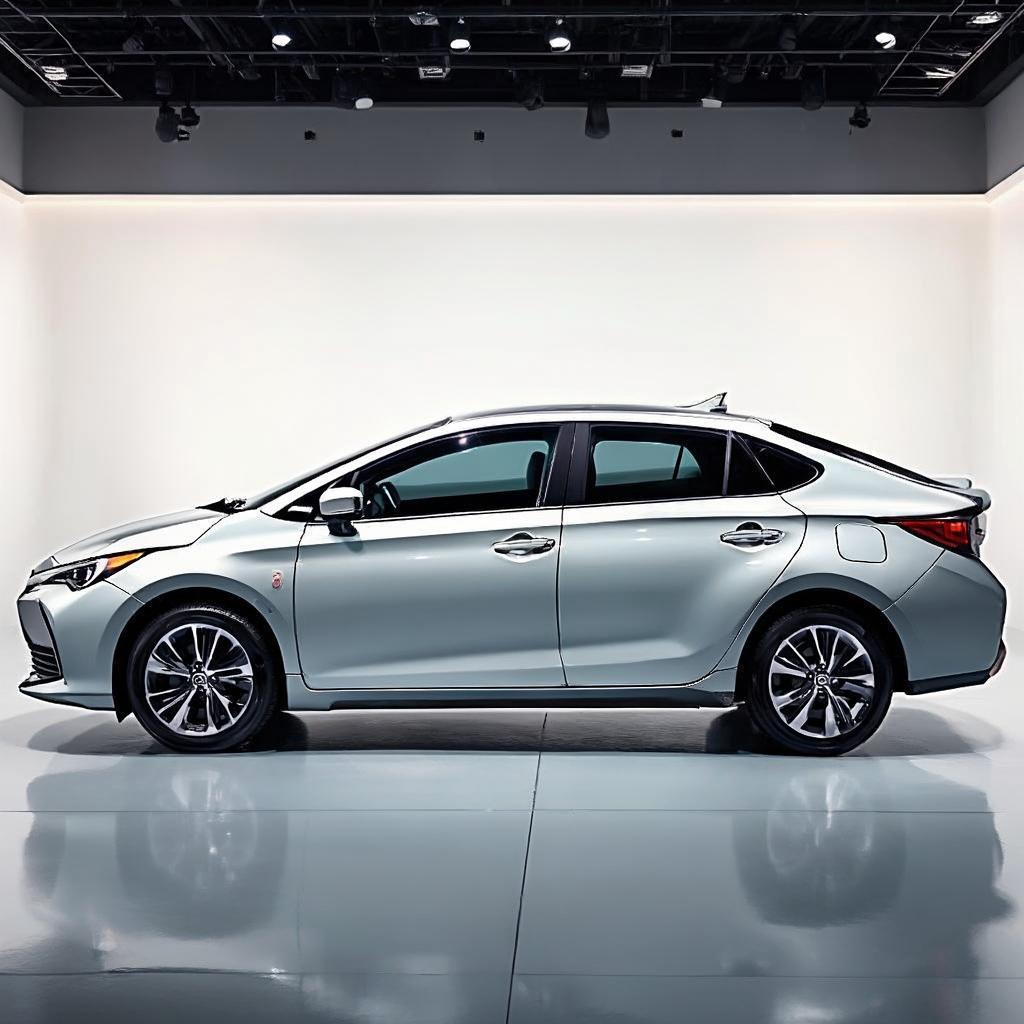
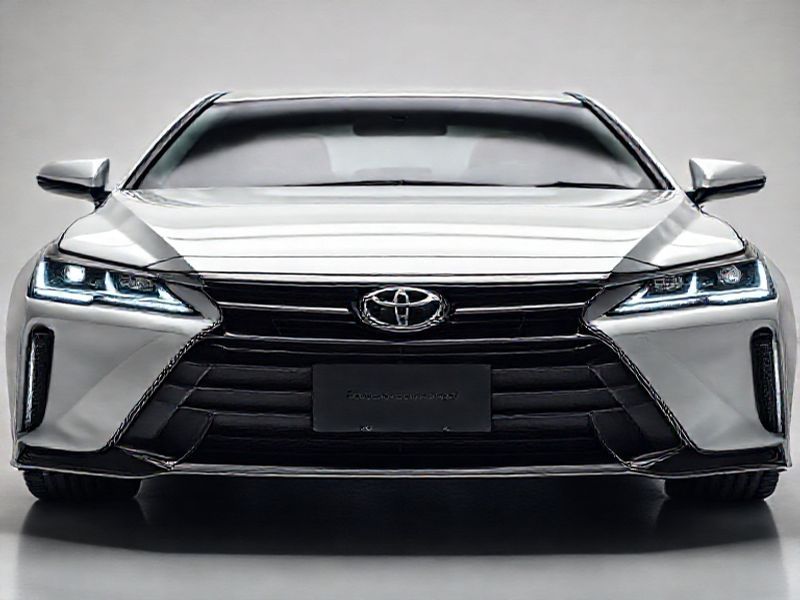
What does 2026 hold for hybrid vehicles? From next-generation batteries to advanced driving features, manufacturers are preparing exciting innovations. Here is what industry experts predict for the coming year.
Battery Technology Advances
Solid-state batteries move closer to production:
- Toyota: Plans bipolar battery implementation in hybrids
- Increased energy density: Up to 50% more range from smaller packs
- Faster charging: Sub-20-minute charge times expected
- Extended lifespan: 500,000+ mile battery durability targets
New Models Expected
Anticipated 2026 hybrid releases:
- Toyota Tacoma Hybrid: Full production ramp-up
- Honda Pilot Hybrid refresh: Updated styling and tech
- Hyundai Palisade Hybrid: Joining the three-row segment
- Kia Telluride Hybrid: Matching Palisade availability
- Ford Explorer Hybrid update: Next-generation platform
Efficiency Improvements
Expect continued MPG gains:
- Compact hybrids pushing toward 60 MPG combined
- Hybrid SUVs targeting 45+ MPG in city driving
- Improved thermal management systems
- Lighter construction materials
Advanced Driver Assistance
Safety technology integration deepens:
- Hands-free highway driving: More manufacturers adding capability
- Enhanced parking assistance: Remote parking via smartphone
- Predictive collision avoidance: AI-powered hazard detection
- Traffic sign recognition: Automated speed adjustments
Connected Car Features
Digital integration expands:
- Over-the-air updates for more vehicle systems
- Enhanced smartphone app capabilities
- Cloud-based navigation with real-time traffic optimization
- Vehicle-to-vehicle communication systems
Pricing Trends
Market forces suggest:
- Hybrid premiums continuing to decrease
- More standard hybrid options in base trims
- Increased competition driving value
- Potential incentive extensions in some regions
Environmental Regulations
Policy changes affecting the market:
- Stricter corporate average fuel economy standards
- Expanded zero-emission vehicle mandates
- Growing HOV lane access for hybrids
- Municipal clean vehicle incentives
Plug-In Hybrid Evolution
PHEVs gain importance:
- Electric-only range exceeding 50 miles standard
- Faster Level 2 charging capability
- Better gasoline mode efficiency
- More affordable entry-level options
Performance Hybrids
Sporty hybrids expand:
- More turbocharged hybrid powertrains
- All-wheel-drive performance variants
- Track-focused driving modes
- Lighter high-performance components
What This Means for Buyers
The 2026 hybrid market promises more choice, better technology, and improved value. Whether you are eyeing a fuel-efficient commuter or a capable family hauler, manufacturers are listening. Stay informed about releases, and consider timing purchases to benefit from new technology.