Best Hybrid Sedans for Commuters: Top Picks for 2025
Let me be honest with you: if you’re commuting in anything other than a hybrid sedan in 2025, you’re probably leaving money on the table. I know that sounds dramatic, but hear me out. Modern hybrid sedans have become so refined, so comfortable, and so economical that they’ve essentially obsoleted traditional gas-only commuter cars.
I spend a lot of time analyzing vehicles for different use cases, and for daily commuting, the math overwhelmingly favors hybrids. Not only will you spend less on fuel, but you’ll also enjoy smoother acceleration, quieter operation, and often better overall refinement. Let me walk you through the best options for commuters in 2025.
Why Hybrid Sedans Excel for Commuting
The typical commute involves lots of stop-and-go traffic, and this is precisely where hybrid technology shines brightest. Every time you slow down or stop, the regenerative braking system captures energy that would otherwise be wasted as heat and stores it in the battery. Then, when traffic starts moving again, that stored energy powers the electric motor, allowing you to accelerate without burning any fuel.
In heavy traffic, a well-designed hybrid can spend significant portions of the commute running on electricity alone. The gas engine might only fire up when you need to accelerate quickly or merge onto the highway. This is why hybrid vehicles often achieve better fuel economy in city driving than on the highway—the exact opposite of conventional cars.
Beyond fuel savings, there’s the comfort factor. Sitting in traffic is far more pleasant when your engine isn’t running. Hybrid sedans become remarkably quiet at low speeds, reducing the fatigue that comes from hour-long commutes in noisy traffic.
Top Hybrid Sedans for Daily Commuting
Toyota Prius
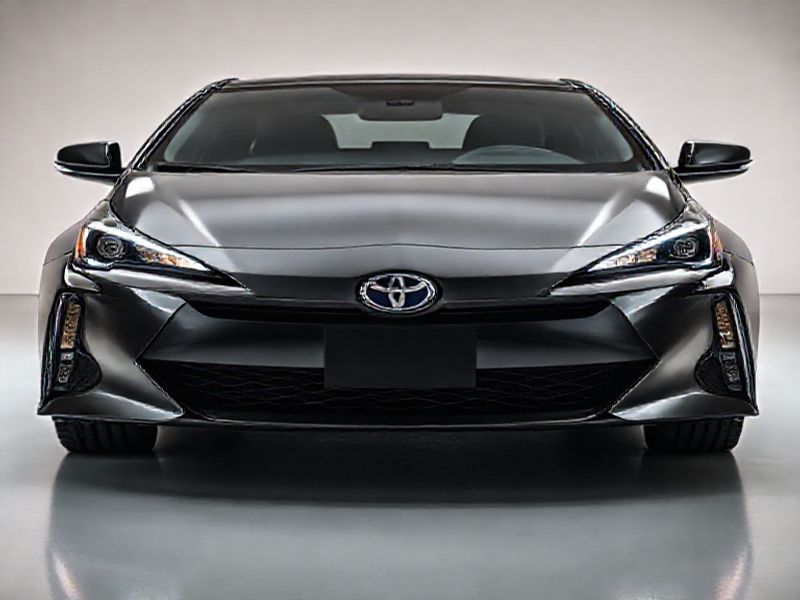
The Toyota Prius remains the benchmark against which all hybrid commuter cars are measured, and for good reason. With up to 57 MPG combined, it delivers the best fuel economy of any hybrid sedan without a plug. That translates to real money in your pocket—potentially over $1,000 in annual fuel savings compared to the average sedan.
The latest generation Prius surprised everyone with its dramatically improved styling. Gone is the quirky wedge shape of previous generations. In its place is a genuinely attractive car with flowing lines and a low-slung profile that looks like it’s moving even when parked. Toyota proved that efficiency doesn’t have to mean compromising on looks.
Inside, the Prius provides comfortable seating for five adults, though rear headroom is a bit tight due to the sloping roofline. The driving position is excellent, and visibility is good all around. The cargo area offers a practical 20 cubic feet, which is enough for grocery runs and weekend trips.
But the real magic happens in everyday driving. The Prius drives with a smoothness and refinement that belies its affordable price. The suspension soaks up bumps gracefully, engine noise is well-controlled, and the electric motor’s instant torque makes the car feel peppier than its modest horsepower numbers suggest.
Toyota Camry Hybrid
If you want a larger vehicle with more presence on the road, the Toyota Camry Hybrid is an exceptional choice. It achieves 52 MPG combined—just 5 MPG less than the Prius—while offering significantly more interior space and a more traditional sedan appearance.
The Camry has always been known for reliability and comfort, and the hybrid version amplifies these strengths. The cabin is remarkably quiet, the seats are supportive for long commutes, and there’s genuine room for adults in both front and rear seats. It’s the kind of car where you arrive at work feeling relaxed rather than stressed.
Toyota’s hybrid system in the Camry has been refined over decades. The transitions between electric and gas power are nearly imperceptible, and the CVT transmission has been calibrated to feel natural and responsive. You don’t have to think about the hybrid technology—it just works in the background, saving you fuel while you focus on the road.
Honda Accord Hybrid
The Honda Accord Hybrid takes a different approach that many drivers prefer. Honda’s two-motor hybrid system operates primarily as an electric vehicle at lower speeds, with the gas engine serving as a generator to keep the battery charged. This creates an unusually smooth and linear acceleration feel that EV enthusiasts will appreciate.
With 48 MPG combined, the Accord Hybrid’s fuel economy is excellent, though not quite as impressive as the Toyota competitors. However, many buyers feel the Accord’s superior driving dynamics justify the slight efficiency penalty. This car is genuinely fun to drive, with precise steering, a well-damped ride, and confident handling through corners.
The Accord’s interior is also a highlight. Honda’s designers created a cabin that feels modern and high-quality, with an intuitive layout and excellent ergonomics. The infotainment system with Google built-in is one of the best in the class, and the driving position is comfortable for people of all sizes.
Hyundai Sonata Hybrid
Don’t overlook the Hyundai Sonata Hybrid. This car offers an impressive combination of efficiency, style, and value that makes it a smart choice for budget-conscious commuters. With 52 MPG combined and a starting price below the Toyota and Honda competitors, it delivers serious bang for your buck.
The Sonata’s exterior design is distinctive and polarizing—people either love it or find it too aggressive. But inside, everyone agrees that Hyundai has created a pleasant, well-equipped cabin with upscale materials and a modern digital-first approach. The dual-screen dashboard looks sophisticated and functions intuitively.
Hyundai’s 10-year powertrain warranty provides exceptional peace of mind, especially for commuters who rack up significant miles each year. This coverage exceeds what Toyota and Honda offer and demonstrates Hyundai’s confidence in their hybrid technology.
Toyota Corolla Hybrid
For commuters seeking the most affordable entry point to hybrid driving, the Toyota Corolla Hybrid is hard to beat. It delivers 52 MPG combined—matching much larger and more expensive hybrids—while starting at a price that fits almost any budget.
The Corolla has never been exciting, and the hybrid version maintains that reputation. But there’s something to be said for a car that does exactly what you need without any drama. It’s reliable, efficient, practical, and easy to drive. For commuting, those qualities matter more than thrilling performance.
Despite its modest price, the Corolla Hybrid comes well-equipped with safety features. Toyota Safety Sense includes automatic emergency braking, lane departure warning, adaptive cruise control, and lane tracing assist. These systems work well and reduce the stress of driving in heavy traffic.
Hyundai Elantra Hybrid
The Hyundai Elantra Hybrid pushes efficiency even further, achieving an impressive 54 MPG combined. That’s approaching Prius territory in a car that looks nothing like a Prius. For commuters who want maximum efficiency in a conventional sedan body, the Elantra Hybrid makes a compelling argument.
Like its Sonata sibling, the Elantra features dramatic styling that stands out from the crowd. The interior is modern and tech-forward, with available features like a digital instrument cluster and wireless Apple CarPlay/Android Auto. It feels more premium than the price tag suggests.
Choosing Your Commuter Hybrid
Your perfect commuter hybrid depends on your priorities. If pure efficiency is paramount, the Toyota Prius still leads the pack. If you want more space and a traditional sedan experience, the Camry Hybrid and Accord Hybrid both excel. For the best value, consider the Hyundai options.
Think about your specific commute when making this decision. A shorter commute with more highway miles might make the efficiency differences less significant, letting you prioritize other factors like interior quality or driving enjoyment. A longer commute with heavy traffic makes those MPG numbers increasingly important to your wallet.
Whatever you choose, rest assured that modern hybrid sedans have matured to the point where there are no bad options. Every car on this list will save you money, reduce your environmental impact, and provide comfortable, reliable transportation for years to come.